
Editorial Team · on 15 June 2026 · 7 min read · Last reviewed 15 June 2026
Vintage collecting is the practice of acquiring and preserving historical objects, with vintage makeup being a specialized niche that focuses on cosmetics and beauty products from past eras.
Key facts
- Vintage makeup collecting gained popularity in the late 20th century as interest in historical fashion and beauty trends grew.
- The 1920s-1950s are considered the golden age of vintage makeup, with iconic brands like Elizabeth Arden, Max Factor, and Helena Rubinstein leading the market.
- Authentic vintage makeup items can range from a few dollars to thousands, depending on rarity, condition, and brand.
- Safety is a critical concern when collecting vintage makeup, as some products may contain harmful ingredients or have degraded over time.
What defines vintage makeup?
Vintage makeup refers to cosmetics and beauty products manufactured between the 1920s and the 1980s. These items are prized for their historical significance, unique packaging, and the glimpse they provide into past beauty standards. Collectors often focus on specific decades or brands, seeking items that exemplify the aesthetic and cultural trends of their time.
Authenticity is paramount in vintage makeup collecting. Reproduction items, while sometimes valuable in their own right, do not hold the same appeal as genuine vintage pieces. Collectors must be vigilant about distinguishing between authentic and counterfeit items, paying close attention to details such as packaging, labeling, and the materials used.
Why collect vintage makeup?
Collecting vintage makeup offers a tangible connection to history, allowing enthusiasts to explore the evolution of beauty standards and cosmetic innovation. Many collectors are drawn to the nostalgic appeal of vintage packaging, which often features intricate designs and artistry that are rare in modern cosmetics.
Additionally, vintage makeup can be a lucrative investment. Rare or well-preserved items from iconic brands can appreciate significantly in value over time. For example, a vintage Elizabeth Arden powder compact from the 1930s can sell for hundreds of dollars at auction, depending on its condition and rarity.
In plain terms: Collecting vintage makeup is like curating a museum of beauty history. Each item tells a story about the fashion and societal norms of its time, much like how a vintage car tells the story of automotive design evolution.
How to start collecting vintage makeup
Begin by educating yourself about the history of makeup and identifying the eras or brands that appeal to you most. Familiarize yourself with the hallmarks of authentic vintage items, such as specific labeling, packaging styles, and manufacturing techniques. Websites like Identifying and Collecting Vintage Compacts can provide valuable insights into the identification and valuation of vintage compacts, a popular entry point for many collectors.
Once you have a basic understanding, start your collection with affordable, accessible items. Flea markets, antique shops, and online marketplaces like eBay and Etsy are excellent places to find vintage makeup. Look for items in good condition, as restoration can be challenging and may diminish the value of the piece.
Where to find vintage makeup
Local flea markets and antique fairs are treasure troves for vintage makeup collectors. These venues often feature a wide range of items at various price points, allowing you to build your collection gradually. Estate sales and garage sales can also yield surprising finds, especially if the seller is unaware of the items’ value.
Online platforms offer a broader reach and more specialized inventory. Websites like eBay, Etsy, and specialized vintage collectibles forums provide access to a global market. When shopping online, be sure to review seller ratings and ask questions about the item’s condition and authenticity before purchasing.
How to authenticate vintage makeup
Authenticating vintage makeup requires a keen eye for detail. Start by examining the packaging. Genuine vintage items often feature specific design elements, such as logos, fonts, and color schemes that are unique to their era. For example, Max Factor products from the 1940s typically have a distinct font and gold accents that are hard to replicate accurately.
Check for signs of aging, such as patina on metal components or fading on paper labels. These indicators can help distinguish authentic items from reproductions. Additionally, research the history of the brand and the specific product line to understand what features are characteristic of genuine vintage items.
Authenticating vintage makeup is like being a detective. You need to examine every clue—from the packaging to the smallest details—to determine if the item is genuine or a clever fake.
How to care for vintage makeup
Proper care is essential to preserve the value and condition of your vintage makeup collection. Store items in a cool, dry place away from direct sunlight and humidity, which can cause deterioration. Use acid-free tissue paper and cotton gloves to handle delicate items and prevent damage from oils and dirt.
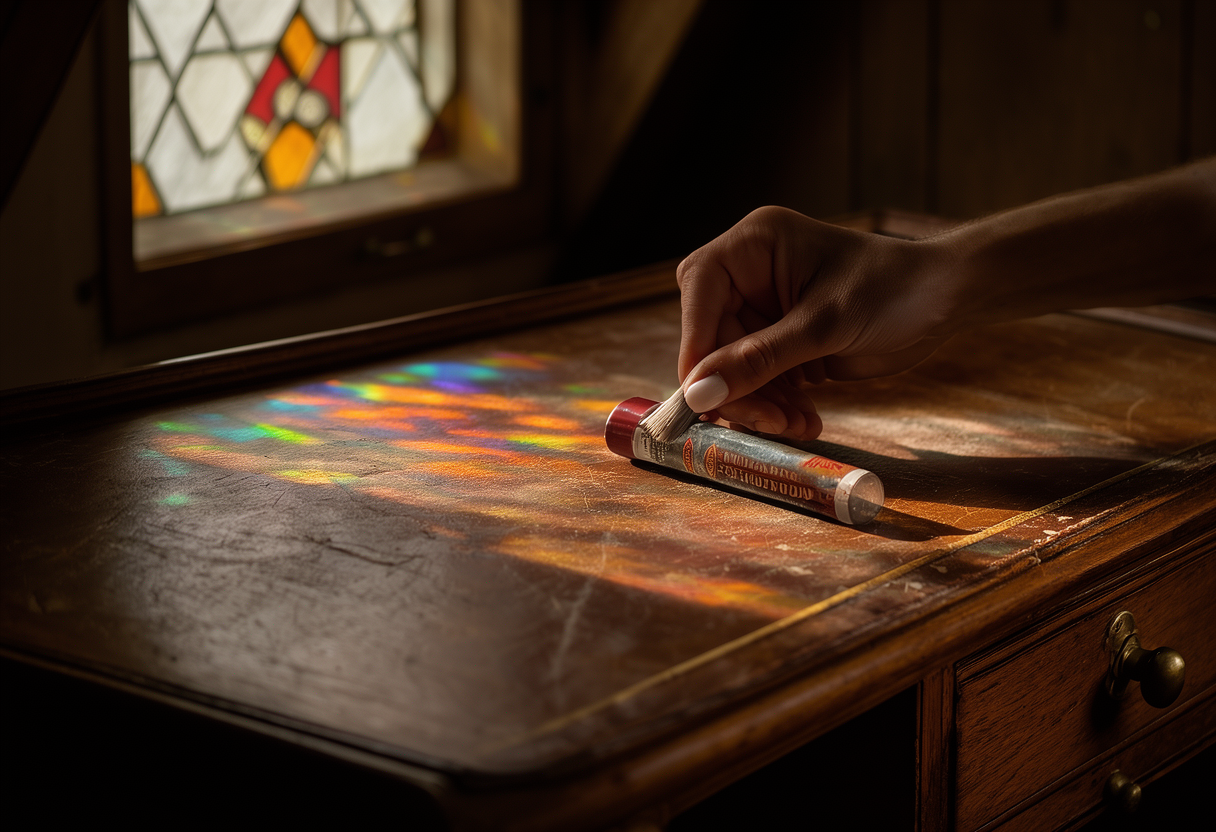
Avoid cleaning vintage makeup with harsh chemicals, as they can strip away original finishes and labels. Instead, use a soft brush or microfiber cloth to gently remove dust. For items with mirrors, be cautious when cleaning to avoid scratching the reflective surface.
Safety considerations when collecting vintage makeup
Many vintage makeup products contain ingredients that are no longer considered safe for use. For example, early 20th-century lipsticks often contained lead, and some powder compacts may have asbestos in their formulations. Always assume that vintage makeup is not safe for application and treat it as a collectible item only.
When handling vintage makeup, wear gloves to protect your skin from potential irritants or allergens. If you suspect an item may be hazardous, consult a professional conservator or a specialist in vintage cosmetics for guidance on safe handling and storage.
Building a valuable vintage makeup collection
Focus on acquiring items that are rare, in excellent condition, and have a strong provenance. Research the market to understand which brands and eras are most sought after by collectors. For instance, items from the Art Deco period of the 1920s and 1930s are highly coveted for their elegant designs and historical significance.
Network with other collectors and join online forums or social media groups dedicated to vintage makeup. These communities can provide valuable insights, trading opportunities, and access to rare items. Attend vintage beauty expos and auctions to connect with experts and expand your collection.
How to sell vintage makeup
To sell vintage makeup, start by researching the market to determine the value of your items. Websites like eBay and specialized vintage collectibles forums can provide insights into current market trends and pricing. Consider consulting with a professional appraiser or vintage cosmetics expert to get an accurate valuation.
When listing items for sale, provide detailed descriptions and high-quality photographs that highlight the item’s condition and unique features. Be transparent about any flaws or signs of wear, as this builds trust with potential buyers. Use reputable online marketplaces or auction houses to reach a broad audience of collectors.
The future of vintage makeup collecting
The future of vintage makeup collecting looks promising, as interest in historical fashion and beauty continues to grow. Young collectors are increasingly drawn to the nostalgia and uniqueness of vintage items, while established collectors continue to seek rare and valuable pieces to add to their collections.
As the market evolves, digital platforms will play an increasingly important role in connecting collectors, buyers, and sellers. Virtual exhibitions, online auctions, and social media communities will provide new opportunities for enthusiasts to share their passion and expand their collections.
Takeaway steps for new collectors
- Educate yourself about the history of vintage makeup and identify your preferred eras or brands.
- Start with affordable, accessible items from flea markets, antique shops, or online marketplaces.
- Learn how to authenticate vintage makeup by examining packaging, labeling, and manufacturing details.
- Properly care for your collection by storing items in a cool, dry place and handling them with care.
- Join online forums or social media groups to connect with other collectors and gain valuable insights.
Building a vintage makeup collection is a rewarding journey that combines history, artistry, and investment potential. By following these steps and staying informed about market trends, you can create a valuable and meaningful collection that reflects your passion for beauty and history.
Frequently asked questions
Why is vintage makeup collectible?
Vintage makeup is collectible due to its historical significance and unique formulations. Brands like Max Factor and Elizabeth Arden produced iconic products in the early 20th century. Collectors value these items for their rarity, nostalgia, and the craftsmanship of a bygone era. Some vintage compacts and lipstick cases also feature exquisite design and artistry.
How can I ensure the authenticity of vintage makeup?
Authenticating vintage makeup requires research and attention to detail. Look for original packaging, logos, and branding. Check for signs of aging, such as patina or wear. Reputable collectors and online forums can provide guidance. Be cautious of reproductions, which often lack the subtle imperfections of genuine vintage items.
What are the safety concerns with using vintage makeup?
Using vintage makeup carries risks due to potential degradation of ingredients. Some older products may contain harmful substances like lead or mercury. Always research the specific product and consult with experts before use. It is generally safer to display vintage makeup rather than apply it to the skin.
Where can I find vintage makeup for my collection?
Vintage makeup can be found at estate sales, flea markets, and online marketplaces like eBay. Antique stores and specialty collectors' shops also offer a variety of items. Joining online communities and forums dedicated to vintage beauty can provide valuable leads and insights. Always verify the seller's reputation before making a purchase.