
Editorial Team · on 15 June 2026 · 7 min read · Last reviewed 15 June 2026
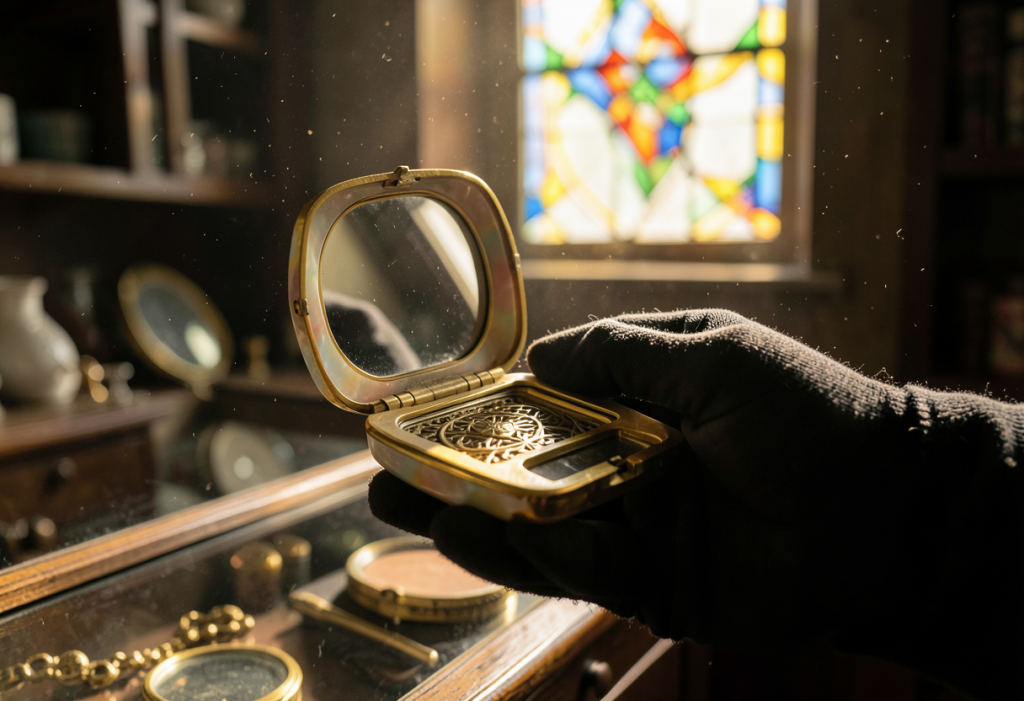
Vintage collecting focuses on acquiring and preserving antique or retro items, particularly compact mirrors and powder cases, for their historical significance and aesthetic appeal.
Key facts
- Vintage compacts were popular from the 1920s through the 1950s.
- They were often made of materials like bakelite, celluloid, or metal.
- Some feature intricate designs, gemstones, or celebrity endorsements.
- Prices range from $20 for common pieces to over $1,000 for rare or designer models.
What makes a compact vintage?
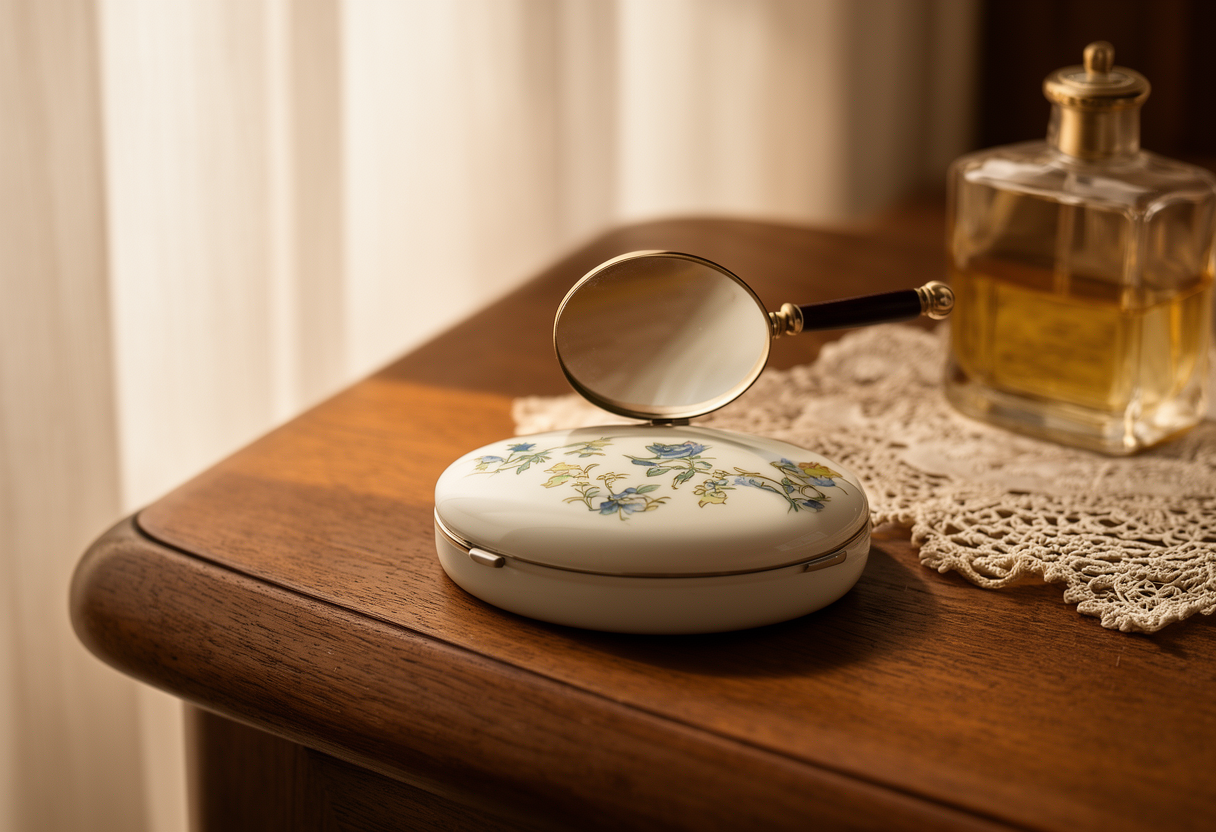
A compact is considered vintage if it was produced between the 1920s and the 1960s. During this time, compacts were not just functional items but also fashion accessories. They reflect the styles and trends of their eras. For example, Art Deco designs were prevalent in the 1920s and 1930s, characterized by geometric patterns and bold colors. In the 1940s and 1950s, compacts often featured floral motifs and pastel hues, mirroring the romantic and feminine aesthetic of the time.
Materials also vary by era. Early 20th-century compacts were often made of celluloid, a lightweight and colorful plastic. Bakelite, a type of early plastic, became popular in the 1930s and 1940s. Metal compacts, sometimes adorned with enamel or gemstones, were also common. Post-World War II compacts often incorporated new materials like lucite and rhinestones.
How do I identify an authentic vintage compact?
Authentic vintage compacts have several distinguishing features. Firstly, examine the materials. Vintage compacts were made from materials that are different from modern plastics. For instance, bakelite has a distinctive smell when rubbed with a cotton ball dampened with bleach—it smells like formaldehyde. Celluloid is lightweight and can be identified by its tendency to yellow with age. Metal compacts often have hallmarks indicating the manufacturer or the type of metal used.
Look for signs of age and wear. Vintage compacts should show some signs of patina or wear, such as slight discoloration, scratches, or tarnishing. However, be wary of excessive damage or repairs, as these can decrease the value. Check the mirror and powder well. Vintage mirrors were often made of glass and may have a slight green or brown tint. The powder well might have a residue or a specific scent, depending on the era and the brand of makeup used.
Research the manufacturer. Many vintage compacts were produced by well-known companies like Shreve, Crane & Co., or Dorothy Gray. These companies often stamped their logos or names on the compact. Use reference books or online databases to identify the manufacturer and learn more about the specific model.
What are the most valuable vintage compacts?
Some vintage compacts are highly sought after by collectors due to their rarity, historical significance, or designer appeal. Compact mirrors by Shreve, Crane & Co. are particularly valuable. Their compacts often feature intricate designs and high-quality materials. For example, a Shreve, Crane & Co. compact from the 1930s can sell for over $500. Dorothy Gray compacts are another prized collectible. Gray was one of the most famous makeup brands of the 1930s and 1940s, and her compacts often featured elegant designs and high-quality mirrors.
Compacts with celebrity endorsements can also be valuable. For instance, compacts featuring images of actresses like Marlene Dietrich or Greta Garbo are highly collectible. These compacts often have a vintage Hollywood glamour appeal. Limited edition or promotional compacts, such as those given away as premiums with the purchase of other products, can also be valuable. For example, a compact given away with a subscription to a women’s magazine in the 1950s might be worth hundreds of dollars today.
Think of collecting vintage compacts like assembling a puzzle. Each compact is a piece that contributes to the bigger picture of fashion history. The more unique and well-preserved the piece, the more valuable it is to the collection.
Where can I find vintage compacts to collect?
Start by exploring local flea markets, antique shops, and estate sales. These places often have a variety of vintage items, including compacts. Be prepared to negotiate prices and ask questions about the items’ history. Online marketplaces like eBay, Etsy, and Ruby Lane are also great resources. These platforms allow you to search for specific types of compacts and compare prices. However, be cautious of counterfeit items and always research the seller’s reputation.
Join online communities and forums dedicated to vintage collecting. Websites like Facebook and Reddit have active communities where collectors share tips, resources, and even sell items. Attend vintage jewelry fairs and collector shows. These events bring together enthusiasts and dealers, providing a great opportunity to network and find unique pieces.
How do I care for and preserve my vintage compact collection?
Proper care and preservation are crucial to maintaining the value and beauty of your vintage compact collection. Store your compacts in a cool, dry place away from direct sunlight and heat sources. Exposure to light and heat can cause materials like celluloid and bakelite to deteriorate or discolor. Use individual compartments or soft pouches to store each compact. This prevents scratches and damage from items rubbing against each other.
Clean your compacts gently using a soft, lint-free cloth. Avoid using harsh chemicals or abrasive materials, as these can damage the finish. For metal compacts, use a polishing cloth designed for the specific type of metal. If the compact has a mirror, clean it with a glass cleaner specifically formulated for delicate surfaces. Regular cleaning helps maintain the compact’s appearance and prevents the buildup of dirt and grime.
Handle your compacts with care. Always hold them by the edges or the base to avoid leaving fingerprints or smudges on the surface. If a compact is damaged, consult a professional restorer who specializes in vintage items. Attempting to repair it yourself could cause further damage and decrease its value.
What should I consider when starting a vintage compact collection?
Set a budget and stick to it. Vintage compacts can range in price from a few dollars to thousands. Determine how much you’re willing to spend and focus on finding pieces within your budget. Research the different types of compacts and their historical significance. This will help you make informed decisions about what to collect. Look for pieces that are in good condition, with minimal damage or wear. However, some collectors prefer items with a well-loved patina, as it adds to the piece’s authenticity and charm.
- Research the different types of compacts and their historical significance.
- Set a budget and stick to it.
- Look for pieces in good condition, with minimal damage or wear.
- Consider the compact’s provenance and any accompanying documentation.
- Join online communities and attend vintage jewelry fairs to network with other collectors.
Start your vintage compact collection by focusing on a specific era or designer. This will help you develop a cohesive collection and become an expert in your chosen area. Enjoy the process of discovering and preserving these beautiful pieces of history. For more tips on starting your collection, check out How to Start Collecting Vintage Jewellery and Essential Tips for Collecting Vintage Jewelry. Expand your vintage interests by exploring The Art of Collecting Vintage Makeup and A Collector’s Guide to Vintage Brooches. For guidance on restoring and preserving your collection, refer to and .
Frequently asked questions
What are the key features to look for when identifying vintage compacts?
Look for hallmarks, logos, or initials inside the compact. Check for specific design elements like Art Deco patterns or Bakelite materials. Research brands like Shreve, Crisp, or Doric for unique features. Weight, craftsmanship, and patina can also indicate age and authenticity.
Where are the best places to find vintage compacts?
Antique shops, flea markets, and estate sales often have vintage compacts. Online platforms like eBay, Etsy, or specialized collector forums can also be productive. Join collector groups or attend vintage fairs to network and find rare pieces.
How can I tell if a vintage compact is valuable?
Rarity, condition, and brand significantly impact value. Compacts from high-end brands like Cartier or Van Cleef & Arpels are usually more valuable. Check for signs of wear or damage. Consult price guides or appraisers for accurate valuations.
What should I do to maintain the condition of my vintage compacts?
Store compacts in a dry, cool place to prevent tarnishing. Avoid cleaning with harsh chemicals. Use a soft cloth for dusting. For mirrors, a gentle glass cleaner can be used sparingly. Handle with care to preserve the integrity of the piece.