
Editorial Team · on 15 June 2026 · 8 min read · Last reviewed 15 June 2026
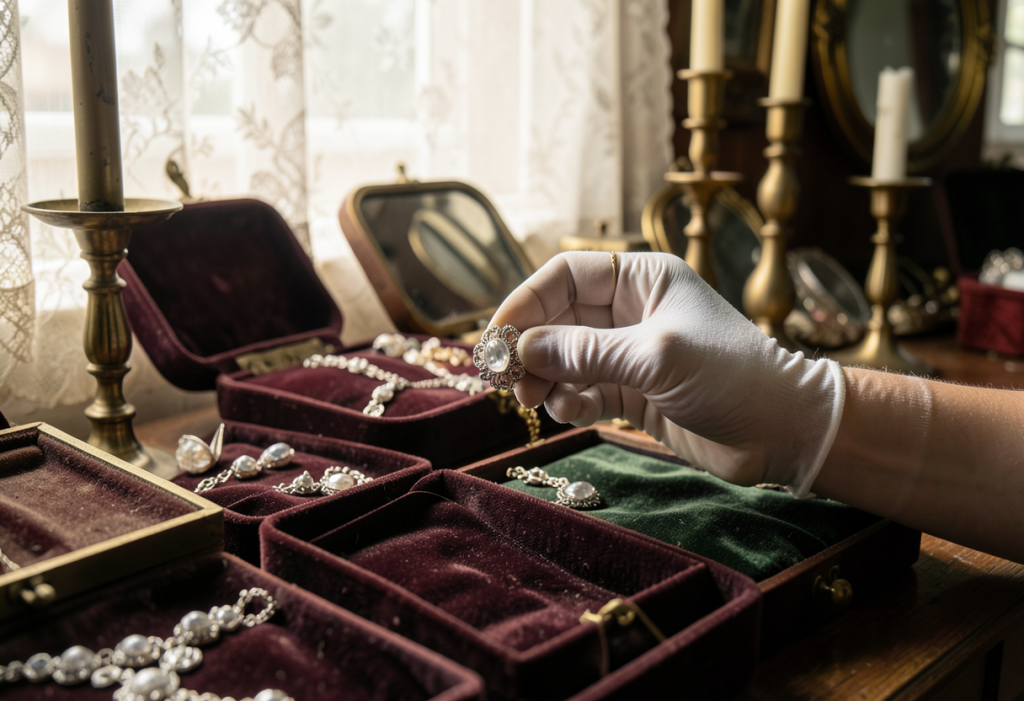
Vintage collecting involves the pursuit of high-quality, historic pieces from past decades, often focusing on unique, rare, or artistically significant items like vintage jewelry.
Key facts
- Vintage jewelry is typically defined as pieces aged 20-99 years old, with antique jewelry being 100 years or older.
- The Art Deco and Art Nouveau periods (early 1900s) are highly sought-after eras for vintage jewelry collectors.
- Key materials in vintage jewelry include sterling silver, gold, platinum, and gemstones like diamonds, rubies, and sapphires.
- Common vintage jewelry pieces include brooches, rings, necklaces, bracelets, and compacts, with some pieces like brooches experiencing a resurgence in popularity.
What defines vintage jewelry?
Vintage jewelry is generally considered to be between 20 and 99 years old. This designation separates it from modern jewelry and antique jewelry, which is 100 years or older. The appeal of vintage jewelry lies in its historical significance, craftsmanship, and unique design elements that reflect the style and trends of their respective eras.
For example, Art Deco jewelry from the 1920s and 1930s is renowned for its geometric shapes, bold colors, and use of platinum and diamonds. In contrast, Art Nouveau jewelry from the late 19th and early 20th centuries features organic, flowing designs inspired by nature. Understanding these distinctions is crucial for collectors looking to build a meaningful collection.
How do I start collecting vintage jewelry?
To begin collecting vintage jewelry, it’s essential to educate yourself about different styles, materials, and periods. Start by reading books, visiting museums, and exploring online resources dedicated to vintage and antique jewelry. Familiarize yourself with the hallmarks and signatures of renowned jewelry designers and manufacturers, as these can significantly impact the value and authenticity of a piece.
Attend jewelry auctions, estate sales, and antique fairs to gain hands-on experience and network with other collectors and dealers. Websites like The Complete Guide to Vintage Jewelry Collecting offer comprehensive guides and tips for beginners. Additionally, consider joining online forums and social media groups focused on vintage jewelry collecting to stay updated on trends, upcoming sales, and expert advice.
When you’re ready to make your first purchase, start small with affordable pieces that align with your interests. This approach allows you to develop your eye for quality and authenticity without making a significant financial commitment. As your collection grows, you can gradually invest in more valuable and rare items.
What are the most collectible vintage jewelry pieces?
Certain types of vintage jewelry are particularly popular among collectors due to their rarity, historical significance, or aesthetic appeal. Brooches, for instance, have experienced a resurgence in popularity in recent years. Vintage brooches come in various designs, from delicate floral motifs to bold geometric shapes, and can be found in materials ranging from sterling silver to gold and platinum.
Rings, necklaces, and bracelets from the Art Deco and Art Nouveau periods are also highly sought after. These pieces often feature intricate designs and high-quality materials, making them valuable additions to any collection. Compacts, small decorative cases used to carry powder or other cosmetic items, are another collectible item that has gained popularity among vintage enthusiasts.
Collecting vintage jewelry is like assembling a puzzle where each piece tells a story. Just as each puzzle piece has a unique shape and fits in a specific place, each vintage jewelry piece has its own history, design, and significance. By carefully selecting and acquiring these pieces, you’re not just building a collection; you’re piecing together a rich tapestry of artistry and heritage.
How do I authenticate vintage jewelry?
Authenticating vintage jewelry involves examining several key factors, including hallmarks, construction techniques, and historical context. Hallmarks are small stamps or engravings that indicate the metal’s purity, the manufacturer’s name, or the country of origin. Familiarize yourself with common hallmarks from different eras and regions to better identify genuine vintage pieces.
Construction techniques can also provide clues about a piece’s authenticity. For example, Art Deco jewelry often features intricate metalwork and precise stone settings, while Art Nouveau pieces may have a more organic, handcrafted appearance. Look for signs of handcraftsmanship, such as slight imperfections or unique design elements that set vintage pieces apart from modern reproductions.
Consulting with experts or professional appraisers can help ensure the authenticity of your vintage jewelry. They can provide valuable insights and guidance, especially when dealing with high-value or rare pieces. Additionally, resources like Identifying and Collecting Vintage Compacts and The Art of Collecting Vintage Makeup offer practical tips and information for identifying and collecting specific types of vintage items.
Where can I find vintage jewelry?
Vintage jewelry can be found in a variety of places, both online and offline. Antique shops, estate sales, and jewelry auctions are popular destinations for collectors looking to discover unique and valuable pieces. These venues often feature a wide range of items from different eras and styles, providing ample opportunities for finding hidden gems.
Online marketplaces like eBay, Etsy, and specialized vintage jewelry websites can also be valuable resources for collectors. These platforms allow you to browse and purchase items from the comfort of your home, often with the added benefit of detailed descriptions and photographs. However, it’s essential to exercise caution when buying online, as the risk of encountering counterfeit or misrepresented items is higher.
To minimize risks, buy from reputable sellers with positive feedback and clear return policies. Additionally, consider joining online communities and forums dedicated to vintage jewelry collecting, where members often share tips on finding and authenticating pieces. Websites like How to Start Collecting Vintage Jewellery and A Collector’s Guide to Vintage Brooches offer practical advice and insights for both novice and experienced collectors.
How do I care for vintage jewelry?
Proper care and maintenance are crucial for preserving the beauty and value of your vintage jewelry collection. Store your pieces in a cool, dry place away from direct sunlight and humidity, which can cause damage to metals and gemstones. Use individual compartments or soft pouches to prevent pieces from scratching or tangling with one another.
Clean your vintage jewelry regularly using gentle, non-abrasive methods. For example, a soft brush and mild soap solution can effectively remove dirt and grime from most pieces. Avoid using harsh chemicals or ultrasonic cleaners, as these can damage delicate materials and settings. When in doubt, consult a professional jeweler for advice on cleaning and maintaining your specific pieces.
Inspect your jewelry periodically for signs of wear or damage, such as loose stones, bent prongs, or tarnished metal. Addressing these issues promptly can prevent further damage and maintain the integrity of your collection. Additionally, consider having your vintage jewelry appraised regularly to stay informed about its value and condition.
How do I build a cohesive vintage jewelry collection?
To build a cohesive vintage jewelry collection, start by defining your interests and focusing on specific eras, styles, or designers. This approach will help you create a collection that reflects your personal taste and has a clear narrative. For example, you might choose to specialize in Art Deco pieces, focusing on jewelry from the 1920s and 1930s, or concentrate on a particular designer known for their unique style.
Research is key to building a meaningful collection. Familiarize yourself with the history and characteristics of different jewelry periods, and stay informed about current trends and market values. Attend auctions, exhibitions, and jewelry fairs to expand your knowledge and network with other collectors and experts. Websites like Where to Find and Collect Vintage Buttons offer practical advice and insights for collectors interested in specific types of vintage items.
Consider the following steps when building your collection:
- Define your focus: Choose specific eras, styles, or designers that appeal to you.
- Educate yourself: Learn about the history, characteristics, and market trends of your chosen focus.
- Start small: Begin with affordable pieces and gradually invest in more valuable items as your collection grows.
- Network: Connect with other collectors, dealers, and experts to stay informed and discover new opportunities.
- Document your collection: Keep detailed records of your pieces, including photographs, descriptions, and provenance information.
- Care for your collection: Properly store, clean, and maintain your jewelry to preserve its beauty and value.
Building a cohesive vintage jewelry collection is a rewarding and ongoing process. By defining your focus, educating yourself, and networking with other enthusiasts, you can create a collection that reflects your personal taste and has a clear narrative. Whether you choose to specialize in a particular era, style, or designer, the key is to stay informed, be patient, and enjoy the journey of discovery and acquisition.
To get started, explore resources like The Complete Guide to Vintage Jewelry Collecting and How to Start Collecting Vintage Jewellery for practical tips and advice tailored to vintage jewelry collectors. Happy collecting!
Frequently asked questions
What should I look for when buying vintage jewelry?
Inspect for hallmarks, maker’s marks, and signs of quality craftsmanship. Check for wear and damage, especially on clasps and settings. Verify the metal type—14k or 18k gold, sterling silver, or platinum are common. Research the era and designer to ensure authenticity. Avoid pieces with excessive repairs or modern alterations.
How can I authenticate vintage jewelry?
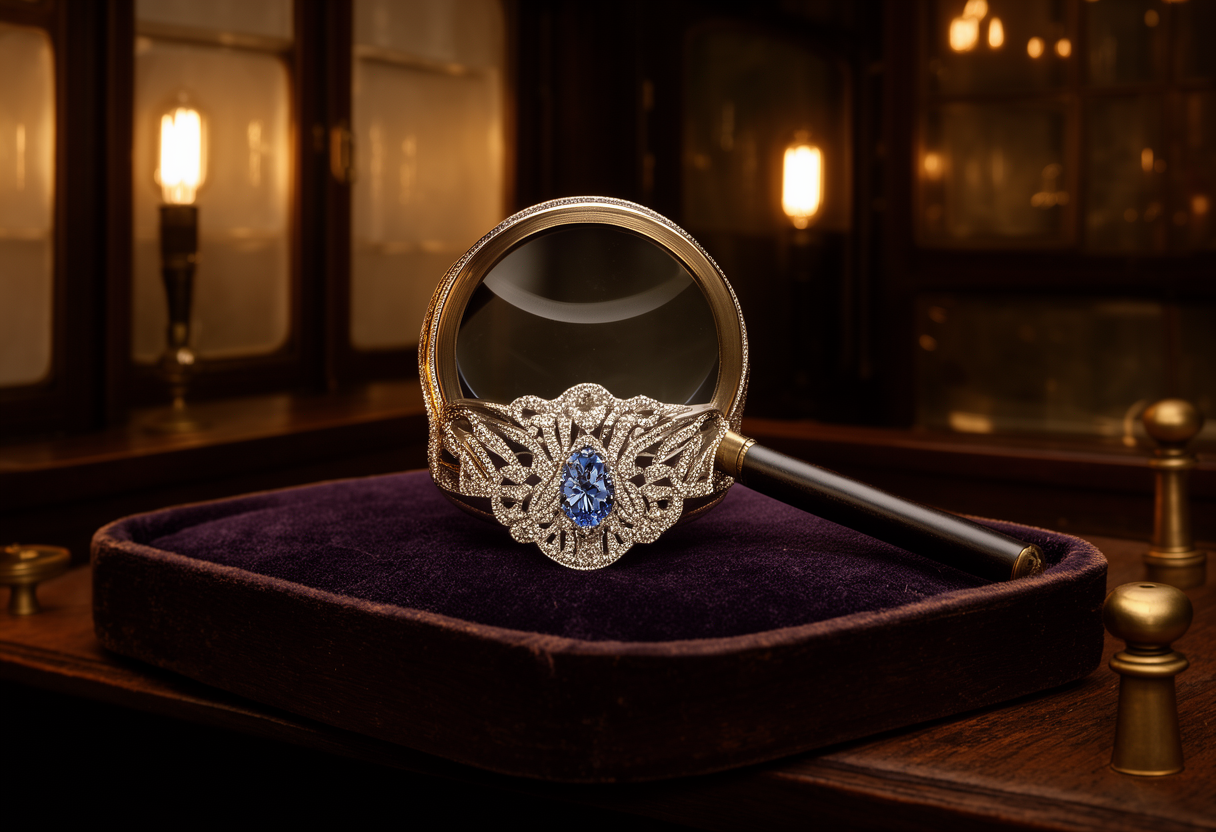
Use a magnifying glass to examine details like engravings and stone cuts. Consult a reputable jeweler or gemologist for professional appraisal. Look for documentation like original receipts or appraisals. Compare your piece to known examples from the same era. Be wary of overly pristine items, as they may be reproductions.
What are the most valuable types of vintage jewelry?
Art Deco (1920s-1930s) and Victorian (1837-1901) pieces often hold high value, especially those with gemstones like diamonds, rubies, or sapphires. Mid-century modern jewelry (1940s-1960s) is also sought after. Brands like Cartier, Tiffany & Co., and Van Cleef & Arpels command premium prices due to their historical significance and craftsmanship.
How should I care for my vintage jewelry collection?
Store pieces separately to prevent scratching. Keep them in a dry, cool place away from direct sunlight. Clean gently with a soft cloth and mild soap; avoid harsh chemicals. Remove jewelry before swimming or exercising. Regularly check for loose stones or weak clasps. Consider professional cleaning and maintenance every few years.