
Editorial Team · on 15 June 2026 · 6 min read · Last reviewed 15 June 2026
Vintage collecting focuses on acquiring and preserving historical items, particularly jewelry like brooches, for their artistic, cultural, or investment value.
Key facts
- Brooches date back to the Bronze Age, with modern vintage styles emerging in the 19th century.
- Popular vintage brooch materials include sterling silver, gold, platinum, and enamel.
- The Art Deco (1920s-1930s) and Victorian (1837-1901) eras are highly sought after by collectors.
- Prices range from $50 for common pieces to $50,000+ for rare, signed designs.
What makes a brooch “vintage”?
A brooch is considered vintage if it is at least 20-30 years old, but true collector pieces typically date from the late 19th century to the mid-20th century. The term “antique” is reserved for brooches over 100 years old. Key indicators of vintage brooches include handcrafted details, hallmark stamps, and design elements characteristic of specific historical periods.
For example, Victorian brooches often feature intricate metalwork, gemstones, and sentimental motifs like flowers or animals. Art Nouveau brooches (1890-1910) are known for their flowing, organic designs inspired by nature, while Art Deco brooches (1920s-1930s) showcase bold geometric patterns and vibrant enamelwork. Mid-century modern brooches (1940s-1960s) reflect the streamlined aesthetics of the post-war era, with abstract shapes and innovative materials like lucite and bakelite.
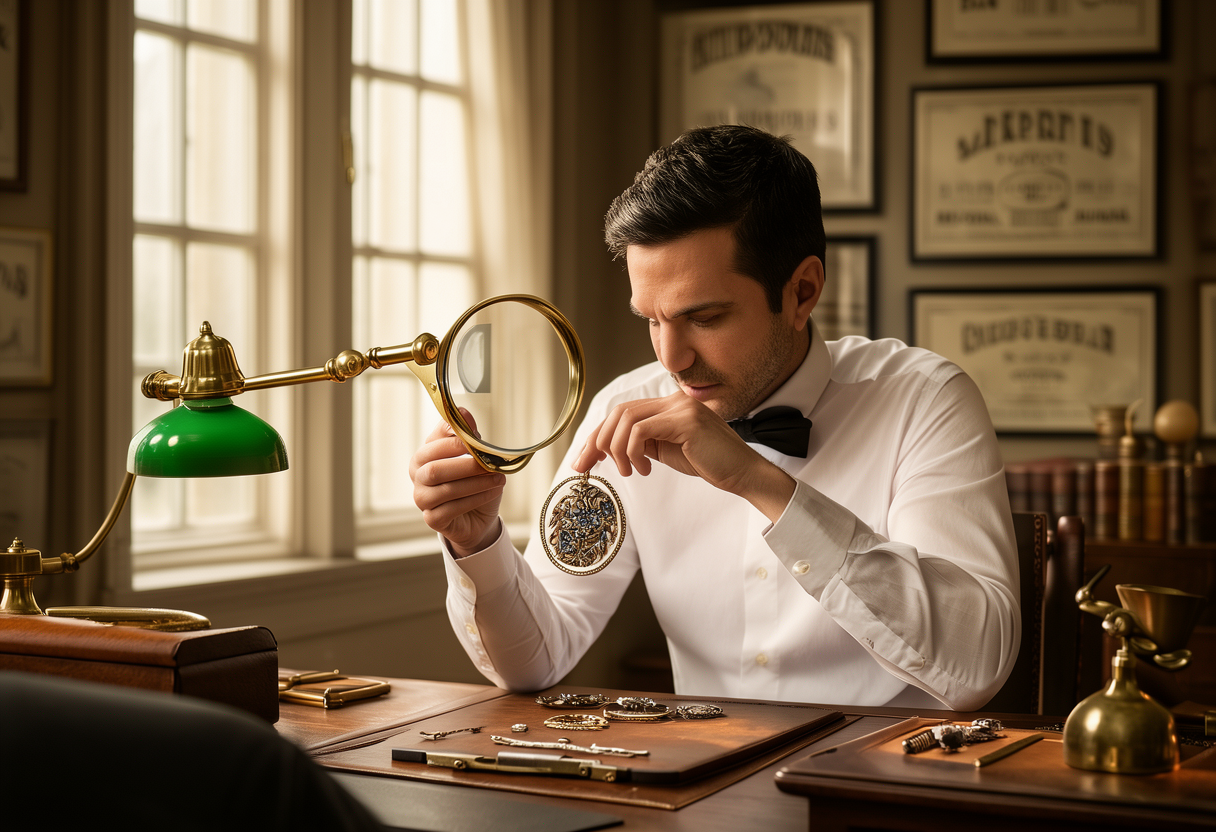
To determine a brooch’s age, examine its construction, materials, and design. Look for manufacturer hallmarks, which can often be traced back to specific time periods or regions. Consulting reference books or online databases, such as those provided by The Complete Guide to Vintage Jewelry Collecting, can also help authenticate and date vintage brooches.
How do I identify valuable vintage brooches?
Valuable vintage brooches often exhibit a combination of rarity, craftsmanship, and historical significance. Key factors to consider include the brooch’s origin, designer, materials, and condition. Brooches from renowned jewelry houses like Cartier, Tiffany & Co., or Van Cleef & Arpels tend to command higher prices due to their brand reputation and exceptional quality.
Gemstones and precious metals significantly impact a brooch’s value. For instance, a brooch set with natural pearls, diamonds, or colored gemstones like rubies, sapphires, or emeralds will typically be more valuable than one adorned with synthetic or semi-precious stones. Additionally, brooches featuring innovative techniques, such as micromosaics, filigree, or granulation, are highly prized by collectors.
Condition is another critical factor in determining a brooch’s value. A vintage brooch in excellent condition, with minimal wear and all original parts intact, will be worth more than a damaged or restored piece. However, some collectors appreciate brooches with a well-loved, “worn” appearance, as it adds to their historical charm and authenticity.
Where can I find vintage brooches for my collection?
To build a diverse and exciting collection, explore various sources for vintage brooches, such as estate sales, antique shops, online marketplaces, and jewelry auctions. Estate sales and antique shops offer the opportunity to browse and examine brooches in person, allowing you to assess their condition and authenticity firsthand.
Online marketplaces like eBay, Etsy, and Ruby Lane provide access to a vast selection of vintage brooches from sellers worldwide. When shopping online, be sure to carefully review product descriptions, photographs, and seller ratings to ensure you’re making a well-informed purchase. Additionally, consider joining online forums and social media groups dedicated to vintage jewelry collecting, as these communities can be invaluable resources for finding rare and unique brooches.
Jewelry auctions, both live and online, can be an excellent way to acquire high-quality vintage brooches at competitive prices. Reputable auction houses often provide detailed catalogs, condition reports, and provenance information, which can help you make informed decisions about the brooches you bid on. Some well-known auction houses specializing in vintage and antique jewelry include Sotheby’s, Christie’s, and Bonhams.
Think of collecting vintage brooches like assembling a puzzle. Each brooch is a unique piece that contributes to the overall picture of your collection. Just as puzzle pieces fit together to create a cohesive image, vintage brooches from different eras and designers can complement one another, showcasing the evolution of jewelry design and craftsmanship over time.
How do I care for and preserve my vintage brooch collection?
Proper care and preservation are essential for maintaining the beauty and value of your vintage brooch collection. To keep your brooches in excellent condition, store them in a cool, dry place away from direct sunlight and humidity. Use individual jewelry boxes, padded trays, or acid-free tissue paper to prevent scratching and tangling.
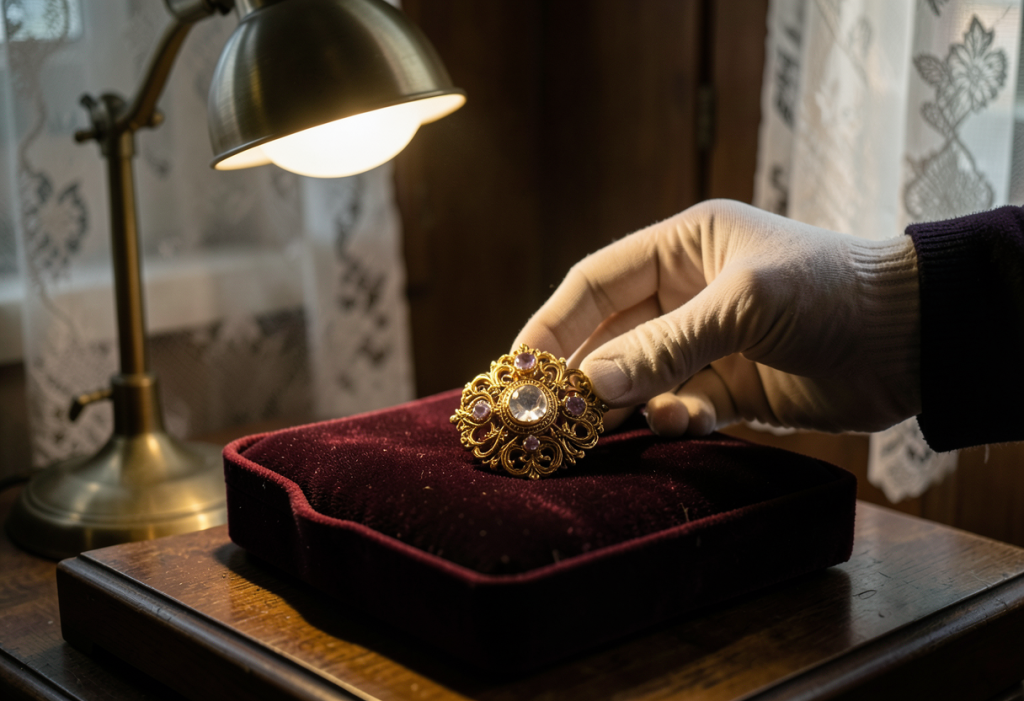
When handling vintage brooches, be gentle and avoid touching the gemstones or delicate metalwork with your fingers, as oils and acids from your skin can cause damage over time. Instead, use a soft, lint-free cloth or cotton gloves to hold and clean your brooches. To clean your vintage brooches, use a mild jewelry cleaner specifically designed for the materials in your piece. Avoid harsh chemicals, ultrasonic cleaners, or steam cleaning, as these can cause irreparable damage to delicate or antique jewelry.
Regularly inspect your vintage brooches for signs of wear, damage, or loose gemstones. If you notice any issues, consult a professional jeweler experienced in working with vintage and antique jewelry. They can provide expert repair and restoration services, ensuring that your brooches remain in excellent condition for years to come.
What are the most collectible vintage brooch styles and designers?
Some vintage brooch styles and designers are particularly sought after by collectors due to their unique design, historical significance, or association with renowned jewelry houses. Familiarizing yourself with these collectible styles and designers can help you make informed decisions about the brooches you add to your collection.
Some of the most collectible vintage brooch styles include:
- Victorian mourning brooches, which often feature hairwork, gemstones, or engraved motifs commemorating a loved one.
- Art Deco geometric brooches, characterized by bold, angular designs and vibrant enamelwork.
- Art Nouveau nature-inspired brooches, showcasing flowing, organic forms and intricate metalwork.
- Mid-century modern abstract brooches, reflecting the innovative aesthetics of the post-war era.
Renowned designers and jewelry houses associated with highly collectible vintage brooches include Cartier, Tiffany & Co., Van Cleef & Arpels, and Boucheron. Additionally, individual designers like René Jules Lalique, Georges Fouquet, and Jean Després have created iconic vintage brooches that are highly prized by collectors.
Start or expand your vintage brooch collection today
With a solid understanding of vintage brooches, their history, and how to identify valuable pieces, you’re ready to start or expand your collection. Begin by exploring the various sources mentioned earlier, such as estate sales, antique shops, online marketplaces, and jewelry auctions. As you build your collection, remember to prioritize proper care and preservation to maintain the beauty and value of your vintage brooches.
Consider joining online forums and social media groups dedicated to vintage jewelry collecting to connect with fellow enthusiasts, share your finds, and learn from their experiences. Additionally, consult reference books and online resources, such as those provided by The Complete Guide to Vintage Jewelry Collecting, to deepen your knowledge and expertise in vintage brooch collecting.
As your collection grows, you may want to focus on specific eras, designers, or styles that particularly resonate with you. By specializing in a particular area of vintage brooch collecting, you can become an expert in your chosen niche and make even more informed decisions about the pieces you acquire.
Frequently asked questions
What makes a brooch vintage?
A vintage brooch is typically defined as one that is at least 20-30 years old. Key indicators include the type of metal used, such as sterling silver or gold, and the craftsmanship. Look for hallmarks or maker's marks, which can often be found on the back. Brooches from the Art Deco era, for example, often feature geometric designs and high-quality gemstones.
How can I tell if a vintage brooch is valuable?
Value depends on several factors. Authenticity is crucial; check for hallmarks or signs of handcraftsmanship. Materials matter—brooches made of precious metals or set with real gemstones are more valuable. Condition is also important; look for minimal wear and intact parts. Research the designer or period to gauge demand and rarity.
What are some common types of vintage brooches?
Popular types include cameo brooches, often featuring intricate carvings of profiles or scenes. Art Deco brooches are known for their bold, geometric designs. Victorian brooches frequently incorporate floral motifs and sentimental elements. Military and mourning brooches, often made with jet or black enamel, hold historical significance and are sought after by collectors.
How should I care for my vintage brooch?
Store your brooch in a dry, cool place, ideally in a lined box or pouch to prevent scratches. Avoid exposure to humidity or direct sunlight. Clean gently with a soft cloth; for deeper cleaning, use a mild soap and water solution. Never use harsh chemicals or abrasives. Regular maintenance ensures the brooch retains its luster and value.