
Editorial Team · on 15 June 2026 · 8 min read · Last reviewed 15 June 2026
Vintage collecting is the pursuit and preservation of toys and other items from past decades, driven by historical significance, nostalgia, or investment potential.
Key facts
- Vintage toys are typically defined as those produced before the 1980s, with items from the 1950s and 1960s being particularly sought after.
- The market for vintage toys is valued at over $3 billion annually, with rare items selling for tens of thousands of dollars.
- Popular categories include action figures, dolls, tin toys, and die-cast vehicles, with brands like Barbie, GI Joe, and Hot Wheels dominating.
- Condition, rarity, and original packaging significantly impact the value of vintage toys.
How do I start vintage toy collecting?
Begin by identifying your interests within the broad category of vintage toys. You might focus on a specific decade, type of toy, or brand. Research the market to understand the value and availability of items in your chosen niche. Start small by purchasing a few affordable pieces to build your confidence and knowledge. Attend local auctions, flea markets, or toy shows to find deals and connect with other collectors.
Join online forums and social media groups dedicated to vintage toy collecting to learn from experienced collectors. Educate yourself on how to authenticate and assess the condition of toys. Look for items with original packaging, minimal wear, and all original parts, as these factors greatly influence value. Document your collection with photographs and detailed records of each item’s provenance and condition.
Set a budget for your collecting activities and stick to it. Remember that vintage toy collecting is a marathon, not a sprint. Focus on building a collection you love rather than chasing trends or speculative investments. As your knowledge and collection grow, you can gradually expand into more valuable or rare items. Always be patient and enjoy the thrill of the hunt.
What are the most valuable vintage toys?
The most valuable vintage toys are often those that are rare, in excellent condition, and have a strong cultural or historical significance. Action figures, in particular, can command high prices. For example, a 1964 GI Joe prototype with original box sold for over $250,000 at auction. Similarly, a 1959 Barbie in mint condition can fetch tens of thousands of dollars.
Tin toys from the early to mid-20th century are also highly sought after. Brands like Louis Marx & Company and Topper Toys produced durable, detailed tin toys that have stood the test of time. A rare Marx tin wind-up toy can sell for several thousand dollars. Die-cast vehicles, such as Matchbox and Hot Wheels cars from the 1960s and 1970s, are popular among collectors. A 1967 Hot Wheels “Original 16” set in excellent condition can be worth a significant amount.
Other valuable vintage toys include board games, model kits, and plush toys. A complete and original 1950s version of the board game “The Game of Life” can sell for hundreds of dollars. Similarly, a well-preserved 1960s Aurora model kit can be worth a pretty penny. Plush toys, such as Steiff bears and other stuffed animals, can also command high prices, especially if they have their original buttons or tags.
Where can I find vintage toys?
Vintage toys can be found in a variety of places, both online and offline. Local flea markets, garage sales, and antique shops are great places to start your search. These venues often have hidden gems at affordable prices. Attend toy shows and collector conventions to browse a wide range of vintage toys and connect with other enthusiasts. Many cities host annual events dedicated to vintage and collectible toys.
Online marketplaces like eBay, Etsy, and specialized toy auction sites are excellent resources for finding vintage toys. These platforms allow you to search for specific items, compare prices, and bid on auctions. Join online forums and social media groups focused on vintage toy collecting to stay informed about upcoming sales and new finds. Networking with other collectors can lead to valuable insights and opportunities.
Thrift stores and charity shops can also be treasure troves for vintage toy collectors. While it requires patience and persistence, you might uncover rare and valuable items hidden among the general merchandise. Estate sales and auctions can be another lucrative source of vintage toys. These events often feature entire collections being liquidated, providing a unique opportunity to acquire multiple items at once.
How do I determine the value of a vintage toy?
Determining the value of a vintage toy involves several factors, including condition, rarity, and demand. Start by researching the toy’s market value through price guides, online auctions, and collector forums. Look for similar items that have recently sold to gauge the current market trends. The condition of the toy is crucial in determining its value. Items in excellent condition, with minimal wear and original packaging, will command higher prices.
Rarity plays a significant role in the value of a vintage toy. Limited edition items, prototypes, or toys with production errors can be highly sought after. Check for any unique features or markings that might indicate rarity. The demand for a particular toy can fluctuate over time. Stay informed about trends and popular categories within the vintage toy collecting community. Factors such as nostalgia, cultural significance, and media attention can drive up demand for specific toys.
Consulting with professional appraisers or experienced collectors can provide valuable insights into the value of your vintage toys. They can offer expertise on authentication, condition assessment, and market trends. Documenting the provenance of your toys, including any original receipts, certificates, or historical information, can also enhance their value. Keep detailed records of your collection to support any future appraisals or sales.
Determining the value of a vintage toy is like appraising a piece of art. Just as an art expert considers the artist’s reputation, the condition of the piece, and its rarity, a vintage toy collector must evaluate factors like brand recognition, the toy’s condition, and how many were originally made. The more unique, well-preserved, and historically significant the toy, the higher its value.
How do I care for and preserve vintage toys?
Proper care and preservation are essential to maintaining the value and enjoyment of your vintage toy collection. Store your toys in a cool, dry place away from direct sunlight and heat sources. Use acid-free materials for packaging and storage to prevent damage. Avoid using plastic bags or containers that can trap moisture and cause mold or deterioration. For toys with original packaging, handle them with care to avoid tearing or damaging the boxes.
Regularly inspect your collection for signs of wear, pests, or environmental damage. Dust your toys gently with a soft brush or microfiber cloth to remove any accumulated dirt. Avoid using harsh chemicals or cleaners that can damage the toy’s surface or finish. For toys with moving parts, occasionally operate them to prevent stiffness or mechanical issues. Keep detailed records of your collection, including photographs and condition reports, to track any changes over time.
Consider investing in display cases or cabinets with UV-protective glass to showcase your collection while protecting it from dust and light. Proper display can enhance the aesthetic appeal of your toys while maintaining their condition. If you need to transport your toys, use specialized packing materials to prevent damage during transit. Always handle your vintage toys with clean hands to avoid transferring oils or dirt that can degrade the materials over time.
What are some common mistakes to avoid in vintage toy collecting?
One common mistake in vintage toy collecting is overpaying for items based on emotion rather than research. Always conduct thorough research to understand the true market value of a toy before making a purchase. Another mistake is neglecting to authenticate items, especially when buying from unknown sellers. Learn how to spot replicas, counterfeits, or altered toys to avoid investing in inauthentic pieces.
Failing to properly store and preserve your collection can lead to irreversible damage. Invest in proper storage solutions and handle your toys with care to maintain their condition. Avoid the temptation to clean or restore toys without professional guidance, as improper techniques can reduce their value. Additionally, diversifying your collection too quickly can lead to a lack of focus and expertise in any particular area. Build a cohesive collection that reflects your interests and knowledge.
Neglecting to network with other collectors and industry professionals can limit your opportunities for learning and growth. Engage with the collecting community through forums, social media, and events to stay informed about trends and new discoveries. Finally, avoid the pitfall of collecting solely for investment purposes. The true joy of vintage toy collecting lies in the passion and appreciation for these historical artifacts. Balance your collecting activities with your personal enjoyment and interests.
- Research thoroughly before purchasing to avoid overpaying.
- Learn how to authenticate items to avoid counterfeits.
- Invest in proper storage and preservation techniques.
- Handle and clean toys with care, seeking professional guidance when needed.
- Build a cohesive collection that reflects your interests and knowledge.
- Engage with the collecting community to stay informed and connected.
- Collect for enjoyment and passion, not just investment.
Vintage toy collecting is a rewarding hobby that combines history, nostalgia, and the thrill of the hunt. By following these top strategies, you can build a valuable and enjoyable collection that brings you years of satisfaction. Happy collecting!
Frequently asked questions
What are the best strategies for starting a vintage toy collection?
Begin by identifying your niche. Focus on a specific era, brand, or toy type, like 1980s Transformers or Barbie dolls. Research market trends and prices using platforms like eBay or specialized collector forums. Start with affordable, common items to build your collection gradually. Attend local toy fairs or estate sales for unique finds.
How can I authenticate vintage toys to ensure they're not replicas?
Check for original markings, like copyright dates or manufacturer logos. Look for wear and tear consistent with age. Compare your item to reference photos from trusted collector websites. Avoid toys with mismatched parts or overly pristine conditions, which may indicate fakes. For high-value items, consult expert appraisers or use professional grading services.
What are the most valuable vintage toys currently on the market?
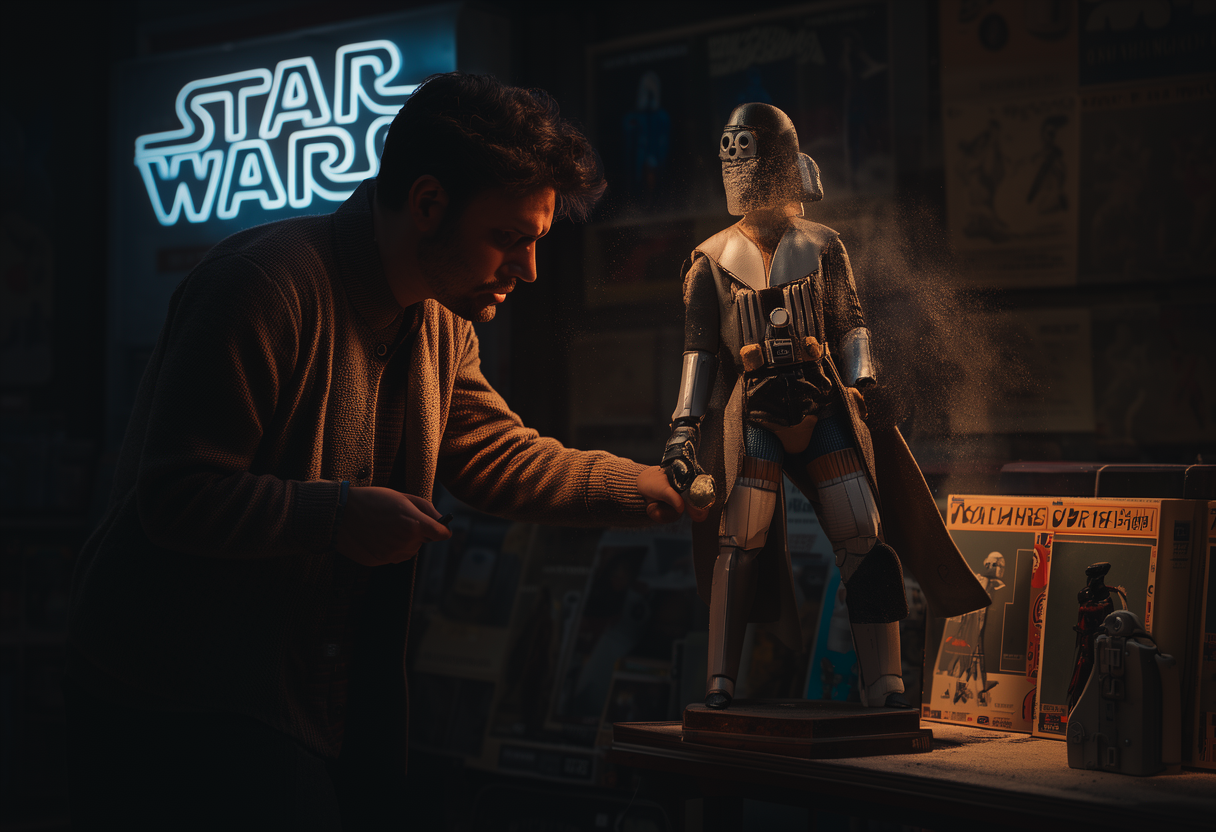
Rare and sought-after toys include early edition Star Wars action figures, like the 1978 Luke Skywalker, and vintage Hot Wheels cars from the 1960s. Original GI Joe figures from the 1960s and 1970s also command high prices. Limited edition or prototype toys, such as the 1996 Teal Prince Beanie Baby, can be particularly valuable. Always verify condition and provenance.
How should I store and maintain my vintage toy collection?
Store toys in a cool, dry place away from direct sunlight to prevent discoloration and damage. Use acid-free boxes or display cases to protect items from dust and moisture. Avoid plastic containers that can trap humidity. Handle toys gently to preserve paint and stickers. Regularly inspect your collection for signs of wear or pest damage. Consider using silica gel packs to control humidity.