
Editorial Team · on 15 June 2026 · 9 min read · Last reviewed 15 June 2026
Vintage collecting encompasses the pursuit, preservation, and appreciation of historical items, with vintage baseball cards standing as a cornerstone for enthusiasts and investors alike.
Key facts
- Vintage baseball cards refer to those produced before 1980, with the first set issued in 1909 by the American Tobacco Company.
- A 1909–11 T206 Honus Wagner card sold for $6.6 million in 2022, setting a record for the most expensive baseball card ever sold.
- The hobby spans both casual collectors and serious investors, with graded cards commanding premium prices due to their condition and rarity.
- Major brands like Topps, Bowman, and Fleer dominate the vintage market, with their cards often defining eras of baseball history.
How do you start collecting vintage baseball cards?
Begin by setting clear goals: are you collecting for nostalgia, investment, or pure enjoyment? Research the eras and brands that interest you most. The pre–World War II cards, such as the T206 series, are highly sought after but can be expensive. Post-war cards from the 1950s and 1960s, like Topps and Bowman sets, offer a more accessible entry point.
Next, establish a budget. Vintage cards range from affordable common cards to high-value rarities. For example, a 1952 Topps Mickey Mantle card in near-mint condition can sell for over $5 million, while a common player from the same set might cost under $100. Start small by purchasing a few cards to build familiarity with the market. Attend local card shows, browse online auctions, and join collector forums to learn from experienced hobbyists.
Condition is critical when collecting vintage baseball cards. Even minor wear can significantly impact a card’s value. Cards are graded by professional services like Professional Sports Authenticator (PSA) or Beckett Grading Services (BGS) on a scale from 1 (Poor) to 10 (Gem Mint). A card graded PSA 10 can sell for tens or even hundreds of times more than an ungraded example. If you’re serious about collecting, invest in protective sleeves and storage boxes to preserve your cards’ condition.
What are the most valuable vintage baseball cards?
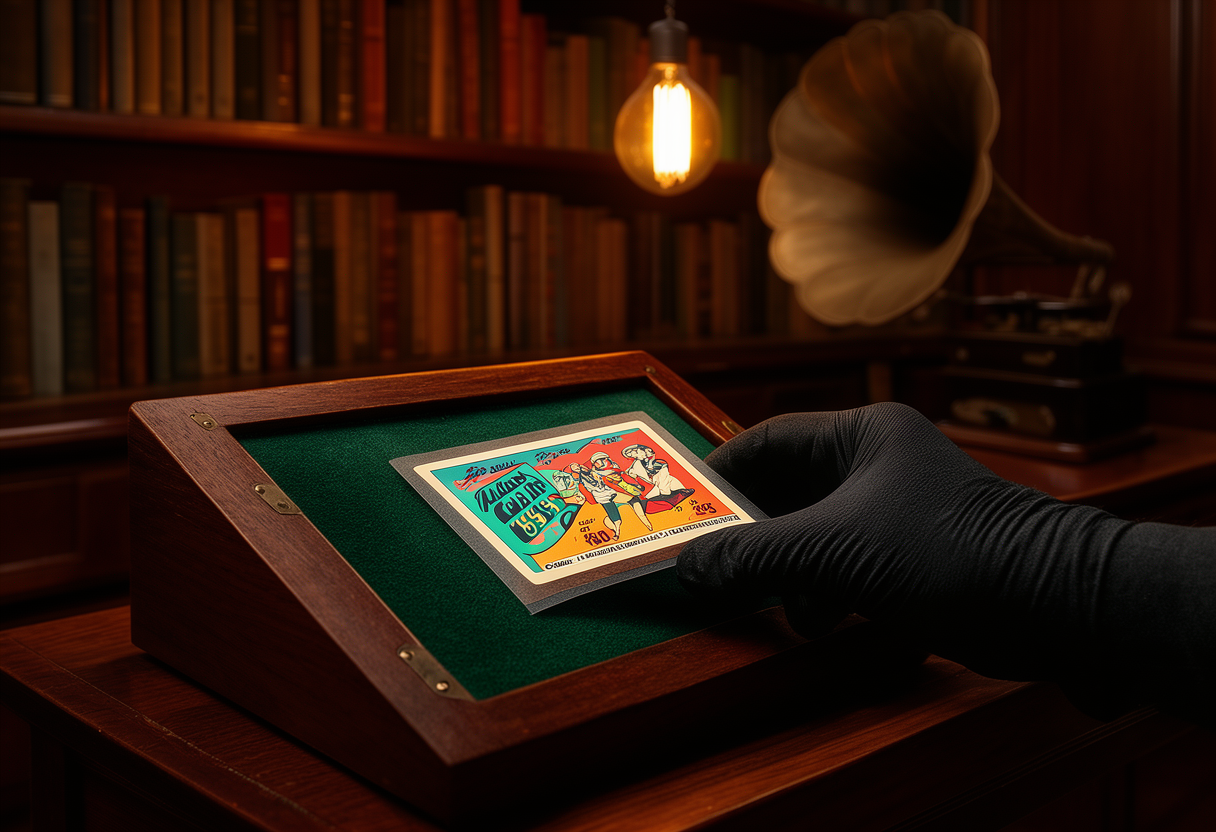
The most valuable vintage baseball cards are typically those from the early 20th century, featuring legendary players or with unique production histories. The 1909–11 T206 Honus Wagner is the Holy Grail of vintage baseball cards, with fewer than 60 known copies in existence. Its rarity stems from Wagner’s objection to his image being used for commercial purposes, leading to the card’s limited production.
Other notable valuable cards include the 1914 Baltimore News Babe Ruth, which sold for $4.2 million in 2016; the 1933 Goudey Babe Ruth, often considered one of the most iconic cards of the Great Depression era; and the 1951 Bowman Mickey Mantle rookie card, which can fetch over $5 million in top condition. The value of these cards is driven by their historical significance, scarcity, and the enduring popularity of the players featured.
Modern-era vintage cards, such as those from the 1970s and 1980s, are also valuable but typically less expensive than pre-1960 cards. For example, a 1975 Topps Hank Aaron card in mint condition might sell for a few hundred dollars, while a 1952 Topps Willie Mays rookie card could command thousands. The market for vintage cards is dynamic, with prices influenced by trends, auctions, and the discovery of rare specimens.
How do you authenticate and grade vintage baseball cards?
Authenticating and grading vintage baseball cards ensures their value and helps collectors make informed decisions. Professional grading services like PSA, BGS, and Sportscard Guaranty (SGC) examine cards for signs of wear, trimming, and alterations. These services use a combination of visual inspection and advanced technology, such as ultraviolet light and microscopes, to detect counterfeits or restorations.
The grading process typically involves submitting a card to one of these services, where it is assigned a numerical grade based on its condition. A PSA 10 card, for instance, is considered “Gem Mint” and exhibits no visible flaws under magnification. Lower grades, such as PSA 5 (Excellent-Mint) or PSA 3 (Very Good), indicate more noticeable wear. Graded cards are encapsulated in tamper-evident holders, providing a permanent record of their condition and authenticity.
While grading adds value to vintage baseball cards, it is not without controversy. Some collectors prefer ungraded cards, arguing that the grading process can be subjective or that the cost of grading outweighs the benefits. Additionally, the market for raw (ungraded) cards remains robust, especially for well-known, high-quality examples. However, for serious collectors and investors, grading provides a level of certainty that is difficult to achieve otherwise.
Think of grading vintage baseball cards like appraising fine art. Just as a painting’s condition and authenticity determine its value, a baseball card’s grade and provenance play a crucial role in its worth. Grading services act like art appraisers, ensuring that what you’re buying is genuine and in the best possible condition.
How do you store and display vintage baseball cards?
Proper storage and display are essential to preserving the condition and value of vintage baseball cards. Exposure to light, humidity, and temperature fluctuations can cause cards to fade, warp, or deteriorate. Store cards in a cool, dry environment, away from direct sunlight. Use acid-free, archival-quality sleeves and rigid holders to protect them from bending and surface damage.
For long-term storage, consider using a safety deposit box or a climate-controlled storage unit. These environments minimize the risk of environmental damage and keep cards safe from pests and accidents. If you plan to display your cards, use UV-protected frames and avoid hanging them in areas with high humidity or temperature variations. Magnetic one-touch holders are another popular option, as they allow for easy viewing and removal without handling the cards directly.
When handling vintage baseball cards, always wash and dry your hands to remove oils and dirt that can transfer onto the card’s surface. Use soft, lint-free gloves if necessary. Avoid stacking cards without proper separation, as this can lead to edge wear and creasing. By taking these precautions, you can ensure that your collection remains in excellent condition for years to come.
What are the best resources for vintage baseball card collectors?
For new and experienced collectors alike, having the right resources is key to building a successful vintage baseball card collection. Online marketplaces like eBay, Heritage Auctions, and ComicConnect offer a wide range of cards for sale, from common players to rare specimens. These platforms also provide historical sales data, helping collectors understand market trends and values.
Books and reference guides are invaluable for identifying and valuing vintage baseball cards. “The Standard Catalog of Vintage Baseball Cards” by Tom and Ellen Zaharias is a comprehensive resource covering cards from the late 19th century to the 1980s. Additionally, websites like The Ultimate Guide to Vintage Doll Collecting and forums such as Blowout Forums and Net54Baseball.com provide a wealth of information, from grading tips to market news.
Local card shows and conventions are excellent places to connect with other collectors, dealers, and experts. Events like the National Sports Collectors Convention (NSCC) attract thousands of enthusiasts and feature rare card exhibitions, auctions, and educational seminars. Networking with fellow collectors can lead to trades, partnerships, and insights that are hard to find elsewhere.
How do you avoid common pitfalls in vintage baseball card collecting?
Vintage baseball card collecting can be a rewarding hobby, but it’s not without its challenges. One common pitfall is overpaying for cards due to inexperience or excitement. Always research a card’s market value before making a purchase. Websites like eBay’s completed listings and price guides from PSA and BGS can provide valuable insights into recent sales.
Another mistake is neglecting to authenticate and grade cards. While graded cards command higher prices, they also come with a level of assurance that ungraded cards lack. Be wary of deals that seem too good to be true, as they often involve counterfeit or altered cards. Learning how to spot fakes, such as examining printing techniques and checking for signs of trimming, can save you from costly mistakes.
Finally, avoid focusing solely on high-value cards. Building a well-rounded collection with a mix of common and rare cards can be more enjoyable and sustainable in the long run. Diversifying your collection also spreads risk, as market trends can fluctuate. Whether you’re collecting for fun or investment, a balanced approach will help you enjoy the hobby without unnecessary stress.
What are the steps to selling vintage baseball cards?
- Research the market to determine your cards’ value. Use price guides, auction results, and dealer assessments to set realistic expectations.
- Consider grading your cards if they haven’t been graded already. A professional grade can significantly increase a card’s selling price.
- Choose a selling platform based on your goals. Online marketplaces like eBay and Heritage Auctions reach a broad audience, while local card shows may attract dedicated collectors.
- Take high-quality photos and write detailed descriptions to attract potential buyers. Highlight any unique features, such as autographs or game-used memorabilia.
- Set a competitive price or, if selling at auction, a realistic reserve price. Be prepared to negotiate or adjust your price based on market feedback.
- Promote your listing through social media, collector forums, and word of mouth. Networking with other collectors can help you find serious buyers.
- Once a sale is made, ship the card securely with proper insurance. Use tracked shipping methods to ensure delivery and protect yourself from disputes.
Vintage baseball card collecting is a thrilling and rewarding pursuit, whether you’re drawn to the nostalgia of the game, the thrill of the hunt, or the investment potential. By understanding the history, value, and care of vintage cards, you can build a collection that brings you joy and financial satisfaction. Whether you’re a casual enthusiast or a serious investor, the world of vintage baseball cards offers endless opportunities to explore and enjoy.
Frequently asked questions
What makes a vintage baseball card valuable?
Value depends on factors like player significance, condition, rarity, and age. Cards featuring legendary players such as Babe Ruth or Honus Wagner command high prices. Condition is critical; cards graded near mint or better fetch premiums. Age alone doesn't ensure value, but scarcity from early sets like T206 increases desirability.
How do I determine the condition of a vintage baseball card?
Examine the corners, edges, and surface for wear. Use a grading scale from Poor to Gem Mint. Look for creases, stains, or print defects. Professional grading services like PSA or Beckett provide unbiased evaluations. Cards in top condition preserve value and appeal to serious collectors.
What are the most sought-after vintage baseball card sets?
The T206 set, featuring the rare Honus Wagner card, is the Holy Grail. The 1952 Topps set, with its iconic Mickey Mantle rookie card, is also highly prized. Early Goudey and Play Ball sets from the 1930s hold significant historical value. Collectors often target complete sets or key rookies from these eras.
How should I store and protect my vintage baseball cards?
Use acid-free sleeves and rigid holders to prevent bending or damage. Store cards in a cool, dry place away from direct sunlight. Avoid attics or basements where humidity and temperature fluctuations can harm cards. Consider using a fireproof safe for high-value collections. Proper storage preserves condition and long-term value.