
Editorial Team · on 15 June 2026 · 7 min read · Last reviewed 15 June 2026
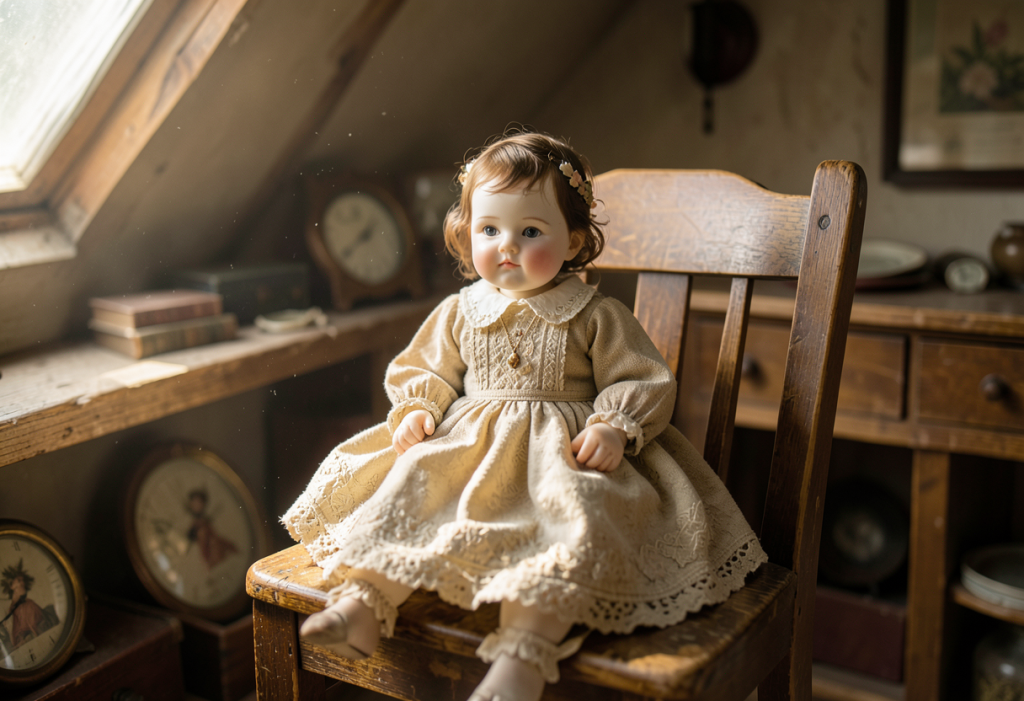
Vintage doll collecting is the hobby of seeking, acquiring, and preserving dolls manufactured primarily between the 19th century and the mid-20th century, with a focus on their historical, cultural, and monetary value.
Key facts
- Vintage dolls are typically categorized by their material (bisque, composition, vinyl, etc.) and manufacturer (e.g., Bisquehead, Ideal, Mattel).
- The most valuable dolls can sell for tens of thousands of dollars at auction, such as a rare 1860 French bisquehead doll that sold for $262,500.
- Condition, rarity, and provenance significantly impact a vintage doll’s value, with mint-condition dolls commanding the highest prices.
- Popular doll brands among collectors include American Girl, Barbie, and Madame Alexander.
What defines a doll as “vintage”?
A doll is considered vintage if it was made at least 20-30 years ago, though many collectors focus on dolls produced between 1880 and 1980. These dolls often feature unique characteristics that reflect the craftsmanship and materials of their time. For instance, bisque dolls from the late 19th and early 20th centuries are known for their porcelain heads and delicate features, while composition dolls from the 1920s-1950s are made from a mix of sawdust, resin, and glue. Vinyl dolls, popularized in the 1950s and 1960s, introduced a more durable and flexible material that allowed for greater poseability.
The value of a vintage doll is influenced by several factors, including age, rarity, condition, and provenance. Dolls that were produced in limited quantities or have historical significance tend to be more valuable. For example, the “Little Miss No Name” doll, created by Topper Toys in the 1960s, is highly sought after due to its rarity and unique design. Similarly, dolls with a well-documented history, such as those owned by famous individuals or featured in notable collections, can command higher prices at auction.
How do I identify and assess the value of vintage dolls?
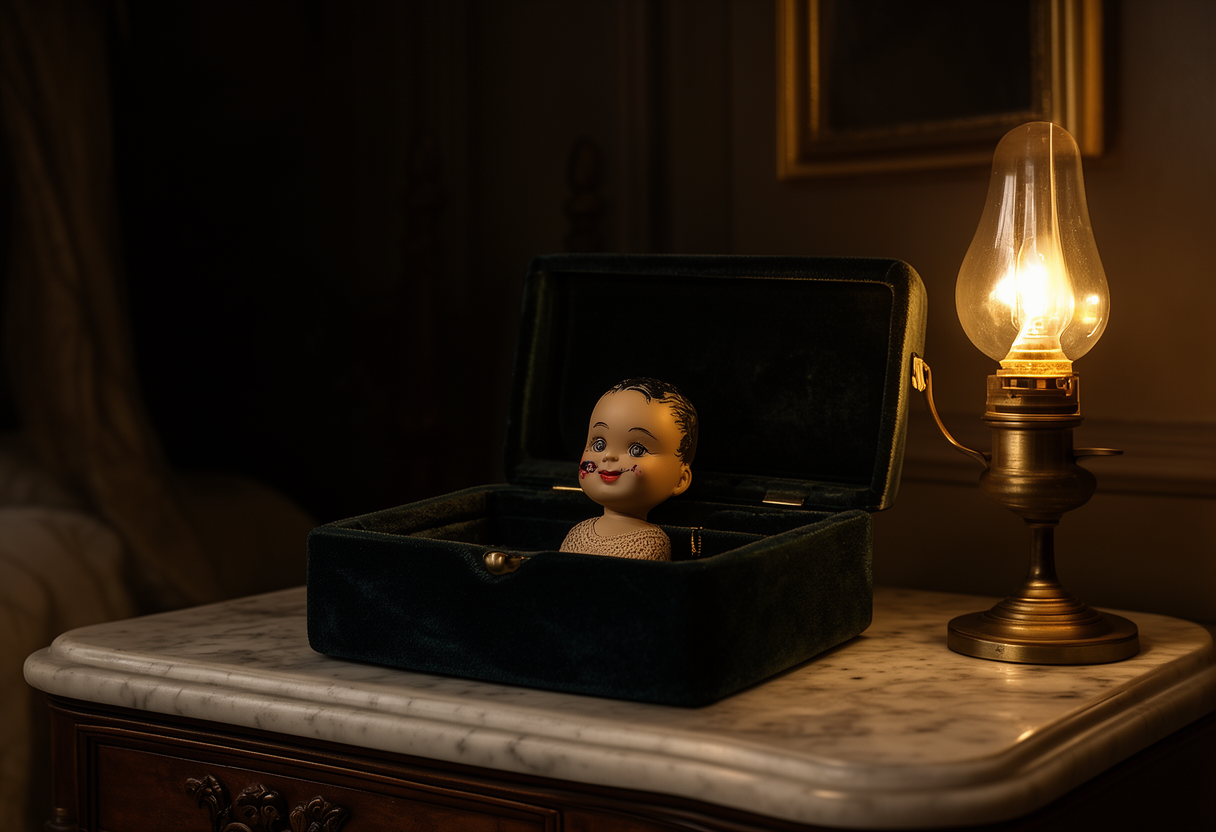
Identifying vintage dolls involves examining specific features such as the material, markings, and styling cues. Bisque dolls, for instance, have porcelain heads and often feature hand-painted details. Composition dolls have a distinctive matte finish and may have joints made of metal or composition. Vinyl dolls typically have smooth, glossy surfaces and may have factory markings indicating the manufacturer and date of production. Collectors often rely on reference books, online databases, and expert appraisals to accurately identify and date vintage dolls.
Assessing the value of vintage dolls requires a keen eye for detail and an understanding of market trends. Condition is paramount; dolls in pristine condition with original paint, hair, and clothing are highly valued. Rarity also plays a significant role; dolls with unique features or limited production runs can fetch high prices. Provenance, or the doll’s history of ownership, can add to its value, especially if it has been part of a notable collection or owned by a famous person. Auction results and collector forums provide valuable insights into current market values and trends.
What are the most sought-after vintage dolls?
Some vintage dolls are particularly coveted by collectors due to their rarity, historical significance, or cultural impact. The French bisquehead dolls from the late 19th century are highly prized for their exquisite craftsmanship and delicate features. These dolls often have jointed limbs and elaborate clothing, making them a favorite among serious collectors. Another sought-after category is the composition dolls from the early 20th century, known for their durability and unique designs. The “Patsy” doll, introduced by the American Character Doll Company in the 1920s, is a classic example of a composition doll that has become highly collectible.
Modern vintage dolls, such as those from the Barbie and American Girl lines, also command significant interest. Early editions of Barbie dolls, particularly those from the 1950s and 1960s, are highly valued for their historical significance and nostalgic appeal. The “Twen” doll, introduced by Ideal Toy Company in the 1960s, is another popular collectible known for its realistic features and high-quality construction. Collectors often seek out these dolls for their cultural impact and the memories they evoke.
How can I care for and preserve my vintage doll collection?
Proper care and preservation are essential to maintaining the value and condition of vintage dolls. Store dolls in a cool, dry place away from direct sunlight and humidity, which can cause damage to their materials. Use acid-free tissue paper and boxes to protect dolls from dust and physical harm. Avoid using harsh chemicals or cleaners on dolls, as these can degrade their surfaces. Instead, use soft brushes and mild soaps to gently clean dolls as needed. For dolls with delicate features, such as bisqueheads, handle them with care to prevent chipping or breaking.
Displaying vintage dolls requires careful consideration to ensure their longevity. Use display cases with UV-protected glass to shield dolls from harmful light and dust. Avoid placing dolls in high-traffic areas where they may be accidentally knocked over or damaged. For dolls with clothing or accessories, store them separately in acid-free containers to prevent wear and tear. Regularly inspect your collection for signs of damage or pest infestation, and address any issues promptly to prevent further deterioration.
Think of vintage doll collecting like preserving a piece of history. Just as you would carefully store an antique book in a controlled environment to prevent its pages from yellowing, you need to protect your vintage dolls from light, humidity, and physical damage. Proper care ensures that your dolls remain in excellent condition, preserving their value and the joy they bring to your collection.
Where can I buy and sell vintage dolls?
There are several avenues for buying and selling vintage dolls, each with its own advantages. Online marketplaces like eBay, Etsy, and specialized doll forums provide a wide range of options for both buyers and sellers. Auction houses, such as Sotheby’s and Christie’s, often feature high-value vintage dolls and can attract serious collectors willing to pay top dollar. Local antique shops, doll shows, and flea markets are also great places to find unique and valuable dolls. Building relationships with other collectors and joining doll clubs can provide access to exclusive sales and trading opportunities.
When selling vintage dolls, consider factors such as reputation, fees, and audience reach. Online platforms offer convenience and a global audience, but may charge listing or final value fees. Auction houses provide expert appraisal and marketing services but typically take a percentage of the sale price. Local sales can be less competitive but may attract buyers looking for a good deal. Always research the market value of your dolls and consider professional appraisals to ensure you receive fair compensation for your items.
What are some common mistakes to avoid in vintage doll collecting?
One common mistake is overpaying for dolls due to lack of research or understanding of market values. Always thoroughly research the doll’s history, condition, and comparable sales before making a purchase. Another mistake is neglecting proper care and storage, which can lead to irreversible damage. Invest in quality storage solutions and handle dolls with care to preserve their condition. Avoid cleaning dolls with harsh chemicals or abrasive materials, as these can strip paint, damage surfaces, and reduce their value.
Additionally, be cautious when buying dolls online without thorough inspection. Request detailed photographs and ask for condition reports to ensure you are making an informed purchase. Beware of counterfeit or reproduction dolls, which can be mistaken for authentic vintage items. Familiarize yourself with the characteristics of genuine vintage dolls and seek expert advice if you are unsure about a doll’s authenticity. Finally, diversify your collection to spread risk and increase its overall value. Focus on a mix of high-value and more affordable dolls to create a balanced and interesting collection.
- Research thoroughly before purchasing to avoid overpaying.
- Invest in proper storage and handling to preserve dolls.
- Inspect dolls carefully, especially when buying online.
- Be cautious of counterfeit or reproduction dolls.
- Diversify your collection to spread risk and increase value.
Building a vintage doll collection is a rewarding journey that combines history, art, and investment. By understanding the key aspects of vintage doll collecting, from identification and valuation to care and sales, you can create a collection that brings joy and financial reward. Whether you are a seasoned collector or just starting out, continuous learning and careful consideration will help you make informed decisions and enjoy the process of collecting vintage dolls.
Frequently asked questions
What makes a doll considered vintage?
A doll is typically considered vintage if it was manufactured at least 20-30 years ago. For example, dolls from the 1950s to the 1980s are highly sought after by collectors. Key factors include the doll's age, rarity, condition, and historical significance. Specific brands like Barbie, Cabbage Patch Kids, and Ginny have dedicated followings.
How can I determine the value of a vintage doll?
Value depends on factors like age, condition, rarity, and demand. Consult price guides, online auctions, and expert appraisals. For instance, a mint-condition 1960s Barbie can sell for hundreds or even thousands of dollars. Always check for original packaging and accessories, as these significantly boost value.
Where are the best places to buy vintage dolls?
Antique shops, estate sales, and online marketplaces like eBay and Etsy are great sources. Specialized doll shows and auctions also offer unique finds. Always research sellers and ask questions about the doll's history and condition before purchasing to ensure authenticity and fair pricing.
How should I care for and store my vintage dolls?
Store dolls in a cool, dry place away from direct sunlight to prevent fading and damage. Use acid-free tissue paper to wrap them and avoid plastic storage containers that can trap moisture. Regularly dust them with a soft brush. For dolls with wigs, use a gentle comb to prevent tangling and breakage.