
Editorial Team · on 15 June 2026 · 8 min read · Last reviewed 15 June 2026
Vintage collecting involves the preservation and accumulation of toys and other items from past decades, with a focus on their historical, cultural, or monetary value.
Key facts
- Vintage toys are typically defined as those manufactured between the 1920s and the 1980s.
- The value of vintage toys can range from a few dollars to millions, depending on rarity, condition, and demand.
- Popular vintage toy categories include dolls, action figures, tin toys, and die-cast vehicles.
- Auction houses and online marketplaces are common venues for buying, selling, and trading vintage toys.
What makes a toy vintage?
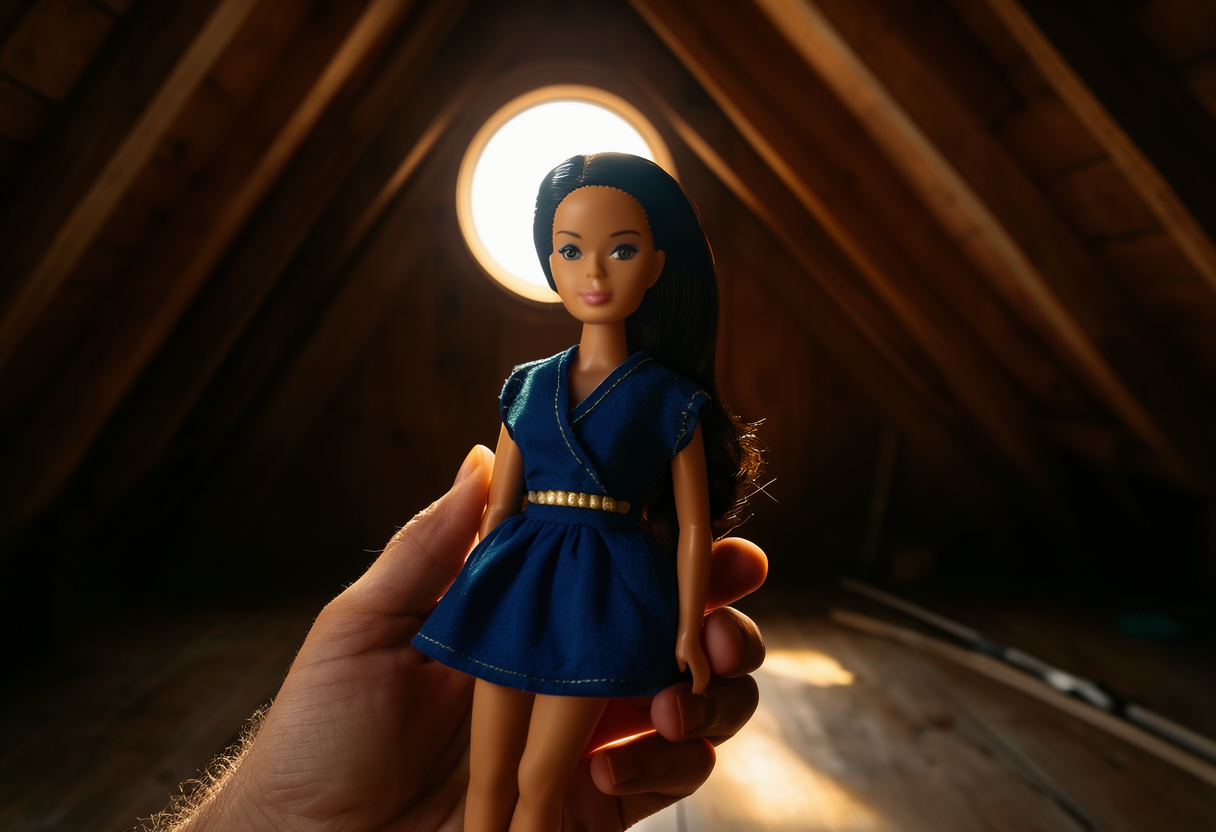
Age is the primary factor that determines whether a toy is considered vintage. Generally, toys manufactured between the 1920s and the 1980s fall into this category. This era encompasses the introduction of popular toy types and brands that remain sought after today. For instance, the Barbie doll, introduced by Mattel in 1959, is a classic example of a vintage toy that has maintained its appeal among collectors.
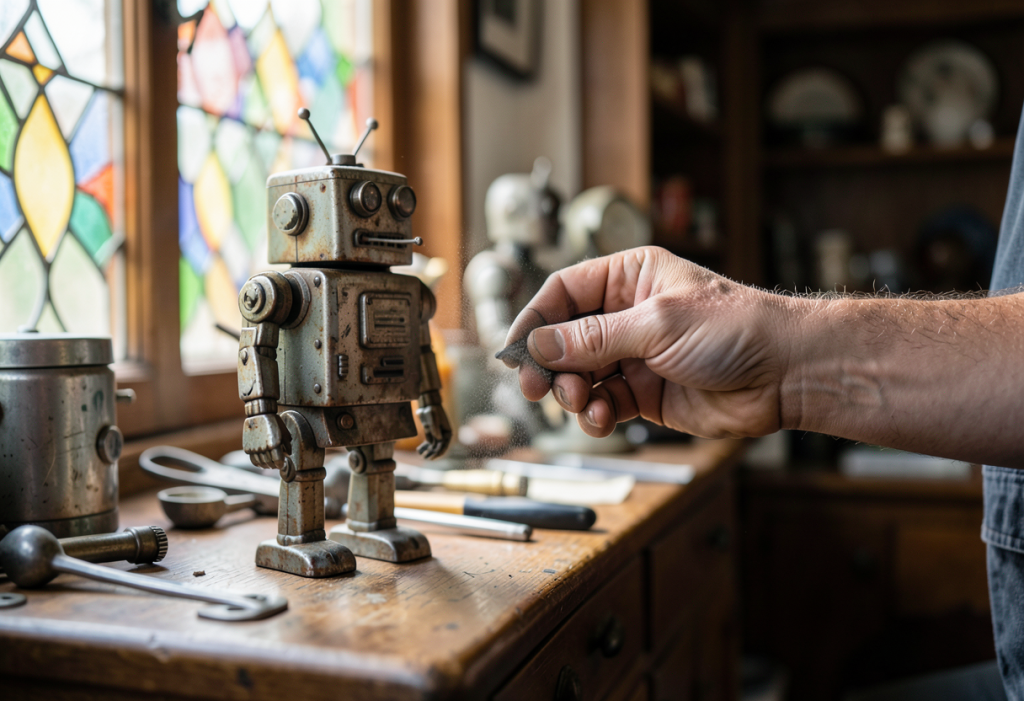
However, age alone does not guarantee a toy’s vintage status. The toy must also be representative of the time period in which it was made, reflecting the materials, design trends, and cultural values of its era. For example, tin toys from the 1950s and 1960s are prized for their intricate designs and durable construction, which reflect the manufacturing techniques and artistic styles of that time.
How do I start collecting vintage toys?
Begin by identifying your preferred toy categories and time periods. Research the history of vintage toys to gain an understanding of their significance and value. Online resources such as forums, blogs, and price guides can provide valuable information for new collectors. Consider joining collector communities to learn from experienced enthusiasts and to stay updated on market trends.
Establish a budget and set clear goals for your collection. Determine whether you are collecting for personal enjoyment, investment, or both. This will help you make informed decisions about which toys to acquire and how much to spend. Remember that vintage toy collecting can be both rewarding and expensive, so it’s essential to approach it with a well-defined plan.
Once you have a clear vision for your collection, start acquiring toys through reputable sources such as auction houses, online marketplaces, and toy shows. Inspect each toy carefully for signs of damage, wear, or restoration. Pay close attention to the condition of the toy, as this can significantly impact its value. When in doubt, consult with experienced collectors or professional appraisers to ensure you are making informed purchases.
What are the most valuable vintage toys?
The value of vintage toys can vary widely depending on factors such as rarity, condition, and demand. Some of the most valuable vintage toys include rare action figures, limited-edition dolls, and toys with historical significance. For example, a 1963 G.I. Joe prototype action figure sold for $200,000 at auction in 2009, while a 1955 Barbie doll in mint condition can fetch tens of thousands of dollars.
To identify valuable vintage toys, research recent auction results and price guides to gain an understanding of market trends. Look for toys that are in high demand among collectors, such as those associated with popular movies, TV shows, or cultural phenomena. Additionally, toys with unique features, limited production runs, or historical significance often command higher prices.
Think of vintage toy collecting like a puzzle. Each toy is a piece that fits into the bigger picture of history. The rarer and more unique the piece, the more valuable it becomes to completing the puzzle.
How do I preserve and care for vintage toys?
Proper preservation and care are essential for maintaining the value and condition of vintage toys. Store toys in a cool, dry environment away from direct sunlight and heat sources. Use acid-free materials for storage, such as archival boxes, tissue paper, and plastic sleeves, to prevent damage from moisture, dust, and pests.
Handle vintage toys with care to avoid causing damage. Always wear gloves when handling delicate items to prevent oils from your skin from degrading the toy’s surface. Avoid cleaning toys with harsh chemicals or abrasive materials, as these can cause discoloration or scratches. Instead, use gentle cleaning methods such as soft brushes or damp cloths to remove dirt and dust.
Document the condition of each toy in your collection using photographs and detailed descriptions. This information can be useful for insurance purposes and for tracking the toy’s value over time. Regularly inspect your collection for signs of wear or damage, and address any issues promptly to prevent further deterioration.
Where can I buy and sell vintage toys?
Auction houses and online marketplaces are popular venues for buying and selling vintage toys. Reputable auction houses such as Sotheby’s and Heritage Auctions specialize in high-value collectibles and offer expert appraisal services. Online marketplaces like eBay and Etsy provide access to a wide range of vintage toys from sellers around the world.
Toy shows and conventions are excellent opportunities to connect with other collectors and discover rare finds. These events often feature dealers who specialize in vintage toys and offer unique items that may not be available elsewhere. Attending toy shows can also provide valuable networking opportunities and insights into market trends.
When buying or selling vintage toys, always prioritize reputable sources and conduct thorough research. Verify the authenticity and condition of each toy before making a purchase, and be wary of counterfeit or misrepresented items. For sellers, consider obtaining professional appraisals to ensure accurate pricing and maximize your returns.
What are the common mistakes to avoid in vintage toy collecting?
Overpaying for toys is a common mistake among new collectors. Conduct thorough research and compare prices from multiple sources before making a purchase. Be wary of inflated prices or exaggerated claims about a toy’s value. Additionally, avoid buying toys without proper inspection, as hidden damage or restoration can significantly impact their worth.
Ignoring the importance of condition is another pitfall to avoid. While rarity and historical significance are crucial factors, the condition of a toy plays a significant role in determining its value. Always prioritize toys in excellent condition, and be cautious of items that have been repaired or restored, as these can be worth less than their mint counterparts.
Failing to diversify your collection can limit its long-term value and enjoyment. Focus on acquiring a variety of toy types, brands, and time periods to create a well-rounded collection. This approach not only enhances the visual appeal of your collection but also increases its potential for appreciation over time. Additionally, diversifying your collection can make it more resilient to market fluctuations and shifts in collector preferences.
Lastly, avoid neglecting proper storage and care. Failing to store toys in a suitable environment can lead to damage from moisture, pests, or sunlight. Always use acid-free materials and follow best practices for handling and cleaning vintage toys to ensure their long-term preservation.
How can I authenticate vintage toys?
Authenticating vintage toys requires a combination of research, expertise, and sometimes professional appraisals. Familiarize yourself with the characteristics of authentic toys, such as markings, materials, and construction techniques. Consult reference books, online resources, and collector forums to gain insights into the nuances of toy authentication.
When in doubt, seek the advice of experienced collectors or professional appraisers. These experts can provide valuable insights and help you determine the authenticity of a toy. Additionally, consider submitting the toy for professional authentication services, which can offer a certificate of authenticity and increase the toy’s value and marketability.
Be wary of counterfeit or misrepresented toys, as these can be common in the vintage toy market. Always verify the seller’s reputation and request detailed photographs and descriptions before making a purchase. If a deal seems too good to be true, it likely is, so proceed with caution and conduct thorough due diligence.
Get started with vintage toy collecting
Begin your vintage toy collecting journey by identifying your preferred categories and time periods. Research the history and significance of these toys to gain a deeper appreciation for their value. Establish a budget and set clear goals for your collection, and prioritize reputable sources when acquiring toys. Always handle and store your collection with care to ensure its long-term preservation. By following these steps and avoiding common pitfalls, you can build a valuable and enjoyable vintage toy collection that reflects your unique interests and passions.
Frequently asked questions
Why are vintage toys valuable?
Vintage toys hold value due to their rarity, condition, and nostalgic appeal. Limited production runs and discontinued models, like early Barbie dolls or G.I. Joe figures, drive collector interest. Mint-condition items or original packaging significantly boost worth. Cultural significance also plays a role, as toys often reflect societal trends and historical periods.
How can I identify authentic vintage toys?
Authentic vintage toys often feature distinct markings, such as manufacturer logos or date stamps. Research specific toy lines for telltale signs, like the distinctive smell of old plastic or unique packaging styles. Compare with known authentic examples online or consult expert guides. Be wary of reproductions, which may lack fine details or have incorrect colors.
What are the best practices for storing vintage toys?
Store vintage toys in a cool, dry place away from direct sunlight. Use acid-free materials for packaging and avoid plastic containers that trap moisture. For delicate items, consider display cases with UV-protective glass. Regularly inspect for signs of damage or pests. Maintain a consistent environment to prevent warping or discoloration.
How do I start a vintage toy collection?
Begin by focusing on toys you love or those with personal significance. Research toy history and current market values. Purchase from reputable dealers or online marketplaces with buyer protection. Start small, prioritizing condition and authenticity. Join collector communities to gain insights and network with experienced collectors.