
Editorial Team · on 15 June 2026 · 7 min read · Last reviewed 15 June 2026
Vintage collecting is the pursuit of acquiring, preserving, and studying items from past eras, with a focus on their historical, cultural, or aesthetic value.
Key facts
- Vintage postcards are typically defined as those printed before 1980.
- The most valuable vintage postcards can sell for thousands of dollars at auction.
- Common themes include travel, advertising, and holiday greetings.
- Condition, rarity, and historical significance are key factors in determining value.
What makes vintage postcards valuable?
Several factors contribute to the value of vintage postcards. Age is a primary consideration, with older postcards generally being more valuable. However, age alone does not guarantee value; the condition of the postcard is equally important. A postcard in pristine condition will command a higher price than one with stains, tears, or creases.
Rarity is another crucial factor. Postcards that were printed in limited quantities or have unique features, such as hand-tinted images or rare subjects, are highly sought after by collectors. Additionally, postcards that depict significant historical events or figures can be particularly valuable due to their cultural and historical importance.
The demand for specific types of postcards also affects their value. For example, postcards featuring early 20th-century advertisements for now-defunct products can be highly desirable. Similarly, postcards from specific regions or depicting local landmarks can be valuable to collectors focusing on particular geographic areas.
In plain terms: Collecting vintage postcards is like assembling a visual history book. Each postcard is a page, and the more unique, well-preserved, or historically significant the page, the more valuable it is to the collection.
How do I determine the condition of a vintage postcard?
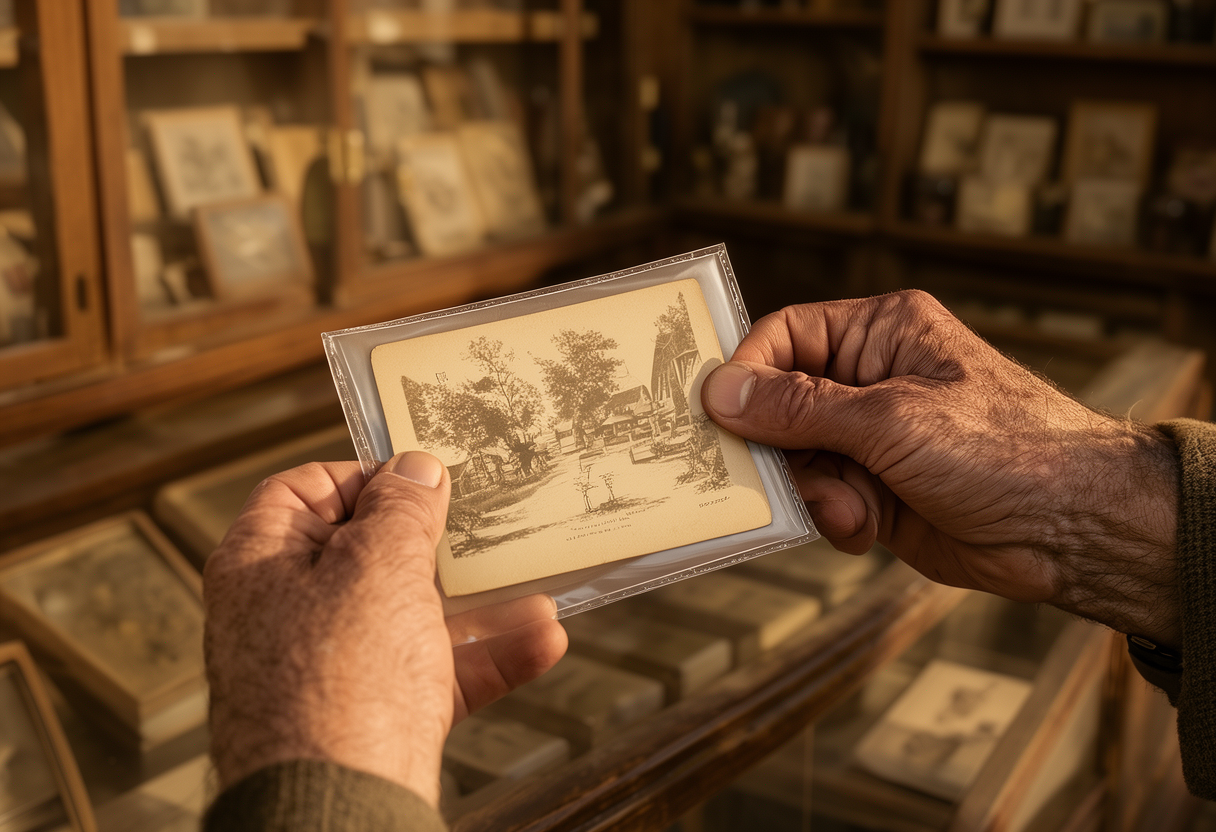
Assessing the condition of a vintage postcard involves examining several key aspects. The first is the overall appearance of the postcard. Look for any signs of wear, such as creases, tears, or fading. The edges of the postcard should be straight and free from damage.
The image on the postcard should be clear and vibrant, without any signs of discoloration or staining. The back of the postcard is also important; it should be clean and free from any writing or postmarks that could detract from its value. However, some collectors prefer postcards with original postmarks, as they add a layer of historical authenticity.
It’s also important to check for any signs of restoration or repair. While minor repairs can be acceptable, extensive restoration work can significantly decrease the value of a postcard. Always disclose any repairs or restorations when selling or trading postcards.
To get a better idea of what to look for, refer to condition grading systems used by reputable postcard dealers and auctions. These systems typically range from “poor” to “mint” and provide detailed descriptions of what to expect at each grade level.
Where can I find vintage postcards?
There are numerous places to find vintage postcards, both online and offline. Local antique shops, flea markets, and garage sales are excellent starting points. These venues often have a variety of postcards at affordable prices, and you may even find hidden gems.
Online marketplaces like eBay, Etsy, and specialized postcard websites are also great resources. These platforms allow you to search for specific types of postcards and compare prices from different sellers. Additionally, joining online forums and social media groups dedicated to postcard collecting can provide valuable insights and connections with other collectors.
For a more curated selection, consider visiting postcard shows and exhibitions. These events bring together dealers and collectors from around the world, offering a wide range of postcards and the opportunity to learn from experienced enthusiasts. Check local listings and postcard organization websites for upcoming events in your area.
If you’re interested in expanding your collecting horizons, explore other vintage items like The Complete Guide to Collecting Vintage Pyrex, Where to Find and Collect Vintage Tins, or Restoring and Collecting Vintage Radios. Each offers unique challenges and rewards.
How do I care for and preserve my vintage postcards?
Proper care and preservation are essential to maintaining the value and condition of your vintage postcards. Store your postcards in a cool, dry place away from direct sunlight and heat sources. Use archival-quality storage materials, such as acid-free sleeves and boxes, to protect your postcards from damage.
Avoid handling postcards with bare hands, as the oils and acids from your skin can cause damage over time. Instead, use cotton gloves or handle the postcards by their edges. If you need to clean a postcard, use a soft brush or compressed air to remove dust gently. For more stubborn dirt, consult a professional conservator.
Displaying your postcards requires careful consideration. Avoid placing them in areas with high humidity or temperature fluctuations. Use UV-protected frames and avoid direct sunlight to prevent fading. Consider rotating your display periodically to minimize exposure to light.
By following these care tips, you can ensure that your vintage postcards remain in excellent condition for years to come. For more guidance on preserving vintage items, check out our article on Choosing the Perfect Vintage Egg Collecting Basket.
How do I authenticate a vintage postcard?
Authenticating a vintage postcard involves verifying its age, origin, and condition. Start by examining the printing methods and paper quality. Older postcards often have distinct characteristics, such as hand-tinted images, specific types of paper, or unique printing techniques. Familiarize yourself with these features to identify genuine vintage postcards.
Research the publisher and any markings on the postcard. Reputable publishers often have specific logos or identifiers that can help confirm authenticity. Additionally, look for postmarks or other historical markings that can provide clues about the postcard’s origin and age. Use resources like postcard databases and reference books to cross-check your findings.
Consulting with experienced collectors or professional appraisers can also be helpful. They can provide valuable insights and help you avoid common pitfalls. If you’re unsure about a postcard’s authenticity, it’s better to err on the side of caution and seek expert advice.
What are the most collectible types of vintage postcards?
Vintage postcards come in a wide variety of types, each with its own unique appeal to collectors. Here are some of the most collectible types:
- Real Photo Postcards: These postcards feature actual photographs printed directly onto the card. They offer a glimpse into the past and are highly sought after for their historical value.
- Advertising Postcards: These postcards were used to promote products, services, or events. They often feature vibrant artwork and provide valuable insights into marketing trends of the past.
- Holiday and Greeting Postcards: These postcards were sent to celebrate special occasions like Christmas, Easter, and birthdays. They often feature beautiful artwork and sentimental messages.
- Topographical Postcards: These postcards depict specific locations, landmarks, or scenic views. They are popular among collectors interested in geographic areas or historical sites.
How do I start my vintage postcard collection?
Starting a vintage postcard collection is an exciting journey. Here are some steps to help you get started:
- Define Your Focus: Decide on the type of postcards you want to collect. You can focus on a specific theme, region, or time period to give your collection a clear direction.
- Set a Budget: Determine how much you’re willing to spend on your collection. Vintage postcards can range in price from a few dollars to thousands, so it’s important to set realistic expectations.
- Educate Yourself: Learn as much as you can about vintage postcards. Read books, join online forums, and attend postcard shows to expand your knowledge and connect with other collectors.
- Start Small: Begin with a few key pieces and gradually build your collection. Quality is more important than quantity, so focus on acquiring postcards that truly interest you.
- Network with Other Collectors: Join collector groups, attend auctions, and participate in online discussions to share your passion and learn from others. Building a network can provide valuable resources and opportunities.
For more tips on starting your vintage collection, check out our guide on How to Start Collecting Vintage Items. Whether you’re interested in postcards, Pyrex, or guitars, the key is to start with what excites you and build from there.
Vintage postcard collecting is a rewarding hobby that combines history, art, and personal interest. By understanding the key factors that determine value, knowing where to find postcards, and properly caring for your collection, you can build a valuable and meaningful assortment of vintage postcards. Happy collecting!
Frequently asked questions
What should I look for when starting a vintage postcard collection?
Begin by focusing on condition, rarity, and personal interest. Check for faded colors, creases, or stains. Research popular themes like travel, advertising, or holidays. Attend local auctions or browse online marketplaces for authentic finds. Join collector forums to learn from experienced enthusiasts.
How can I determine the value of a vintage postcard?
Value depends on factors like age, condition, and demand. Postcards from the early 1900s often hold more value. Check for publisher marks and postmarks. Use price guides or consult with reputable dealers. Online databases and auction results can provide comparative data.
What are some common scams to avoid in vintage postcard collecting?
Beware of forgeries, especially with rare cards. Verify seller credentials and ask for detailed photos. Avoid deals that seem too good to be true. Use secure payment methods. Familiarize yourself with common scams, such as altered postmarks or fake signatures.
How should I store and preserve my vintage postcards?
Store cards in acid-free sleeves or albums. Keep them away from direct sunlight and humidity. Use archival-quality materials to prevent damage. Handle with clean hands or cotton gloves. Avoid plastic sleeves that trap moisture. Regularly inspect your collection for signs of wear or pests.