
Editorial Team · on 15 June 2026 · 6 min read · Last reviewed 15 June 2026
Vintage collecting is the practice of seeking, acquiring, and preserving items from past decades for their historical value, rarity, or aesthetic appeal.
Key facts
- Vintage collecting spans a wide range of categories, including household items, toys, clothing, and advertisements.
- The market for vintage items is driven by nostalgia, investment potential, and cultural appreciation.
- Prices for vintage collectibles can range from a few dollars to thousands, depending on rarity and demand.
- Popular vintage collecting categories include Pyrex glassware, postcards, radios, and guitars.
What makes vintage tins a popular collectible?
Vintage tins are highly sought after for their artistic designs, historical significance, and practical uses. Many collectors appreciate the intricate lithography and advertisements featured on these tins, which often reflect the cultural and artistic trends of their time. For instance, tins from the early 20th century often showcase Art Nouveau or Art Deco styles, making them valuable to both history enthusiasts and art collectors. Additionally, vintage tins were used to store a variety of products, from cookies and tea to tobacco and medications, adding to their collectibility.
Another factor contributing to the popularity of vintage tins is their relative affordability compared to other collectibles. While some rare tins can fetch high prices, many are accessible to beginners and casual collectors. This accessibility makes vintage tins an excellent entry point for those new to collecting. Moreover, vintage tins are often lightweight and easy to store, making them a convenient collectible for those with limited space.
Where can you find vintage tins to collect?
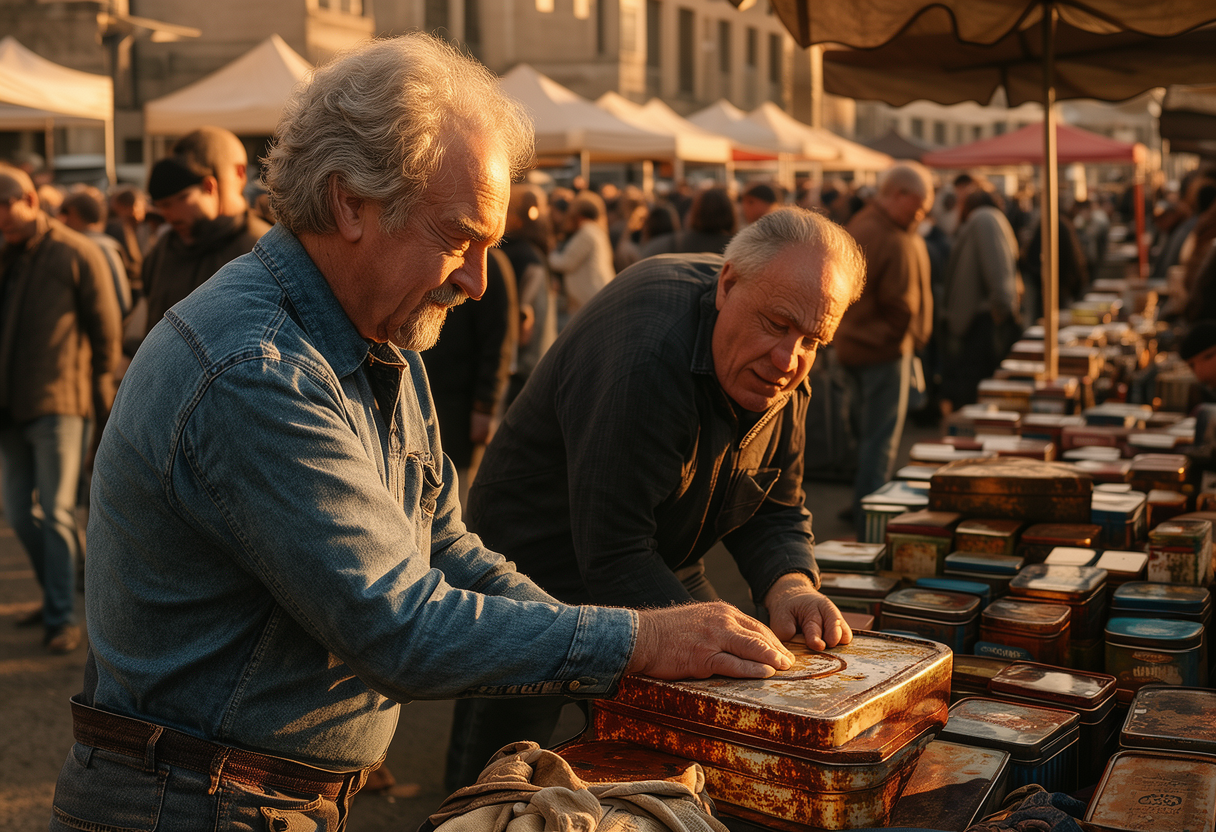
Vintage tins can be found in a variety of places, both online and offline. Flea markets, antique stores, and garage sales are traditional hunting grounds for collectors. These venues often have a rotating inventory, so regular visits can yield new finds. Estate sales and auctions can also be lucrative, as they sometimes include entire collections of vintage tins. Online marketplaces like eBay, Etsy, and specialized vintage collectible websites are also excellent resources. These platforms allow collectors to browse a wide range of items from the comfort of their homes.
Join collectors’ groups and forums can also provide valuable leads on where to find vintage tins. Many collectors share information about upcoming sales, hidden gems, and tips for authenticating items. Social media platforms, such as Facebook and Instagram, have active communities of vintage collectors who often post about their finds and where they sourced them. Additionally, attending vintage fairs and collector conventions can offer opportunities to network with other enthusiasts and discover rare tins.
How do you authenticate and assess the value of vintage tins?
Authenticating vintage tins involves examining several key features. The condition of the tin is crucial; look for signs of wear, such as dents, rust, or faded artwork, which can affect its value. The original label or lithography should be intact and free from significant damage. Collectors also pay attention to the manufacturer’s markings, which can help verify the tin’s age and origin. Researching the specific tin’s history and production details can provide further insight into its authenticity.
Assessing the value of a vintage tin depends on factors such as rarity, condition, and demand. Rare tins, especially those from well-known manufacturers or with unique designs, tend to command higher prices. The condition of the tin plays a significant role; tins in excellent condition with minimal wear are more valuable than those with significant damage. Additionally, the demand for specific types of tins can fluctuate, so staying informed about market trends is essential. Consulting price guides, attending auctions, and joining collector forums can help you gauge the value of your vintage tins accurately.
What are some tips for caring for and preserving your vintage tin collection?
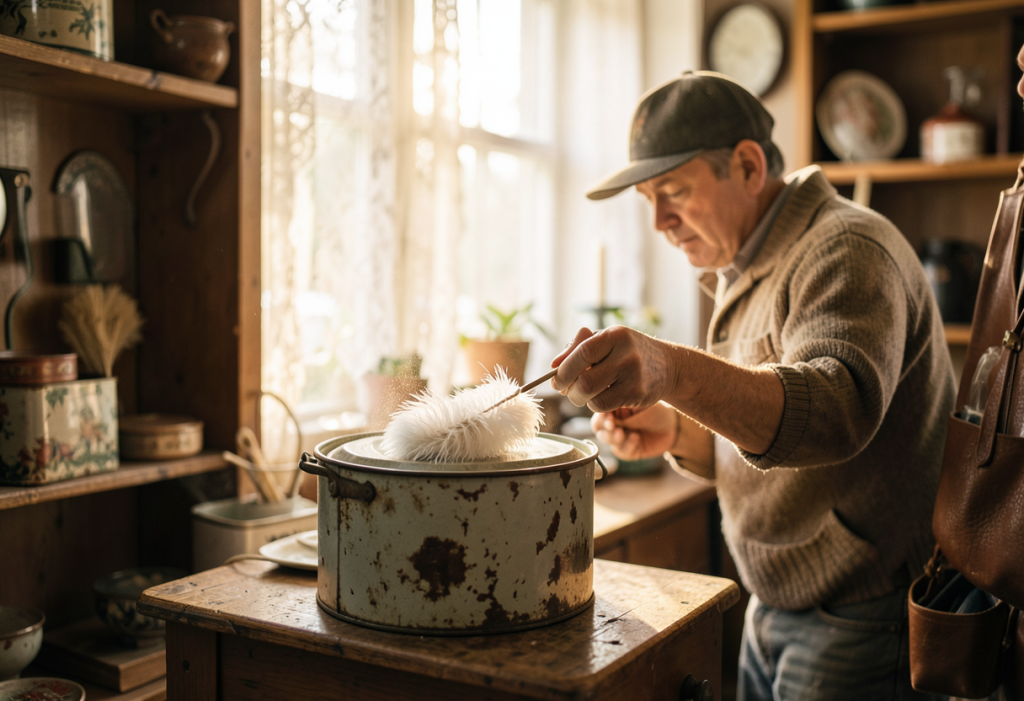
Proper care and preservation are essential to maintaining the value and appearance of your vintage tin collection. Store tins in a cool, dry place away from direct sunlight and humidity, which can cause rust or damage to the labels. Use acid-free tissue paper or soft cloths to clean the tins gently, avoiding harsh chemicals that can degrade the materials. Handle tins with care to prevent dents or scratches, and consider using gloves to avoid leaving fingerprints or oils on the surfaces.
Displaying your vintage tins can enhance their aesthetic appeal while protecting them. Use display cases or shelves that provide support and prevent tins from toppling over. Avoid placing tins in areas with high traffic or where they might be accidentally knocked over. Additionally, rotate your display periodically to prevent prolonged exposure to light, which can fade the colors and designs on the tins. Regularly inspect your collection for signs of wear or damage, and address any issues promptly to prevent further deterioration.
Think of caring for vintage tins like preserving a fine piece of art. Just as you would protect a painting from sunlight and moisture, vintage tins need similar care to maintain their beauty and value. Treat them with the same respect you would any other valuable item, and they will continue to be a source of joy and pride in your collection.
How can you expand your vintage tin collection?
Expanding your vintage tin collection involves a combination of research, networking, and strategic purchasing. Start by identifying specific types of tins you are interested in collecting, such as cookie tins, tobacco tins, or medication tins. Focus on acquiring examples from different eras or manufacturers to create a diverse collection. Attend vintage fairs, auctions, and collector conventions to discover rare and unique tins that may not be available elsewhere.
Networking with other collectors can also provide valuable opportunities to expand your collection. Join online forums, social media groups, and local collector clubs to connect with like-minded enthusiasts. Many collectors are willing to trade or sell items from their collections, allowing you to acquire tins that complement your own. Additionally, stay informed about upcoming sales and auctions by subscribing to newsletters or following relevant blogs and websites. Building relationships with antique dealers and auction houses can also help you stay ahead of the curve when new tins become available.
Start small and focus on acquiring tins that genuinely interest you. As your collection grows, you can expand into more specialized or rare items. Remember that collecting is a journey, and the joy of discovering new tins and learning about their history is just as important as the items themselves. Whether you are a beginner or an experienced collector, there is always more to explore and enjoy in the world of vintage tins.
Frequently asked questions
Where are the best places to find vintage tins?
Thrift stores, flea markets, and antique shops are prime spots. Online marketplaces like eBay and Etsy also offer a wide selection. Garage sales and estate sales can yield rare finds. Check local auctions for bulk lots. Always inspect items for damage and research their history.
What should I look for when collecting vintage tins?
Focus on tins with intact lids and minimal rust. Look for original labels or prints, as these increase value. Common brands like Prince Albert or Crisco are popular. Check for maker’s marks or patent dates. Avoid heavily damaged or repainted tins unless they’re part of a specific collection theme.
How do I determine the value of a vintage tin?
Value depends on rarity, condition, and demand. Consult price guides or online databases for comparable sales. Check for collector’s marks or limited editions. Condition is key; mint items fetch higher prices. Attend antique appraisals or join collector forums for expert opinions.
What are some common mistakes to avoid when collecting vintage tins?
Avoid buying heavily rusted or damaged tins unless they’re rare. Don’t overpay for common items. Research before purchasing to ensure authenticity. Store tins properly to prevent further damage. Be wary of reproductions; learn to spot fakes by examining details like logos and printing techniques.