
Editorial Team · on 15 June 2026 · 7 min read · Last reviewed 15 June 2026
Vintage collecting involves the pursuit, preservation, and appreciation of historical items, with vintage radios standing out as a popular niche due to their cultural significance and aesthetic appeal.
Key facts
- Vintage radios date back to the early 20th century, with the first commercial models appearing around 1920.
- Collectors value radios from brands like RCA, Philco, and Zenith for their craftsmanship and rarity.
- Prices for vintage radios range from $50 for common models to over $10,000 for rare or fully restored pieces.
- Common types of vintage radios include cathedral, bubble, and tabletop models, each with distinct design features.
Why collect vintage radios?
Vintage radios offer a tangible connection to the past, reflecting the technological and design trends of their eras. Collectors are drawn to the nostalgic value and the opportunity to restore these devices to working condition. Additionally, vintage radios often feature exquisite craftsmanship and unique designs that are absent in modern electronics. The thrill of the hunt, whether at flea markets, antique shops, or online auctions, adds to the appeal.
Beyond personal enjoyment, vintage radios can be valuable investments. Rare models or those in excellent condition appreciate over time, making them attractive to both hobbyists and serious collectors. The community around vintage radio collecting is also vibrant, providing opportunities for networking, learning, and sharing knowledge.
How to identify valuable vintage radios
To identify valuable vintage radios, start by researching brands and models. Brands like RCA, Philco, and Zenith are highly sought after, with certain models commanding higher prices. Look for distinctive features such as Art Deco designs, unique color schemes, or innovative technologies for the time. The condition of the radio is crucial; original finishes, working components, and minimal damage significantly increase value.
Check for manufacturer marks, serial numbers, and other identifying features. These details can help verify authenticity and provide insights into the radio’s age and production details. Consulting price guides, online databases, and expert appraisers can also aid in determining a radio’s worth. Remember, rarity, historical significance, and collector demand all play a role in valuing a vintage radio.
Restoring vintage radios: A step-by-step guide
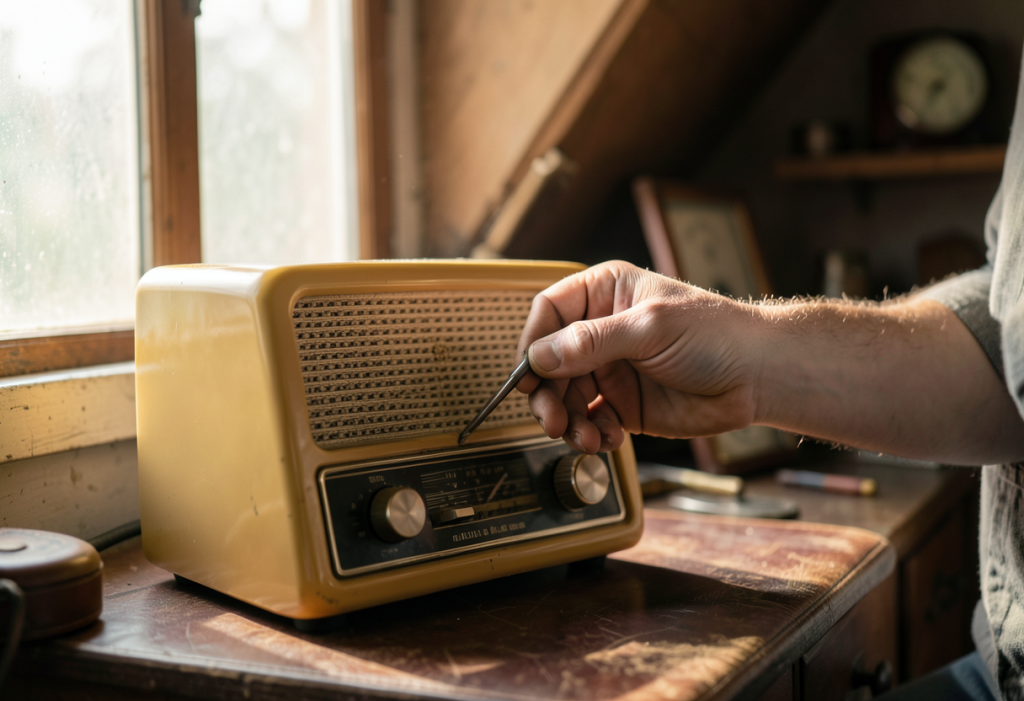
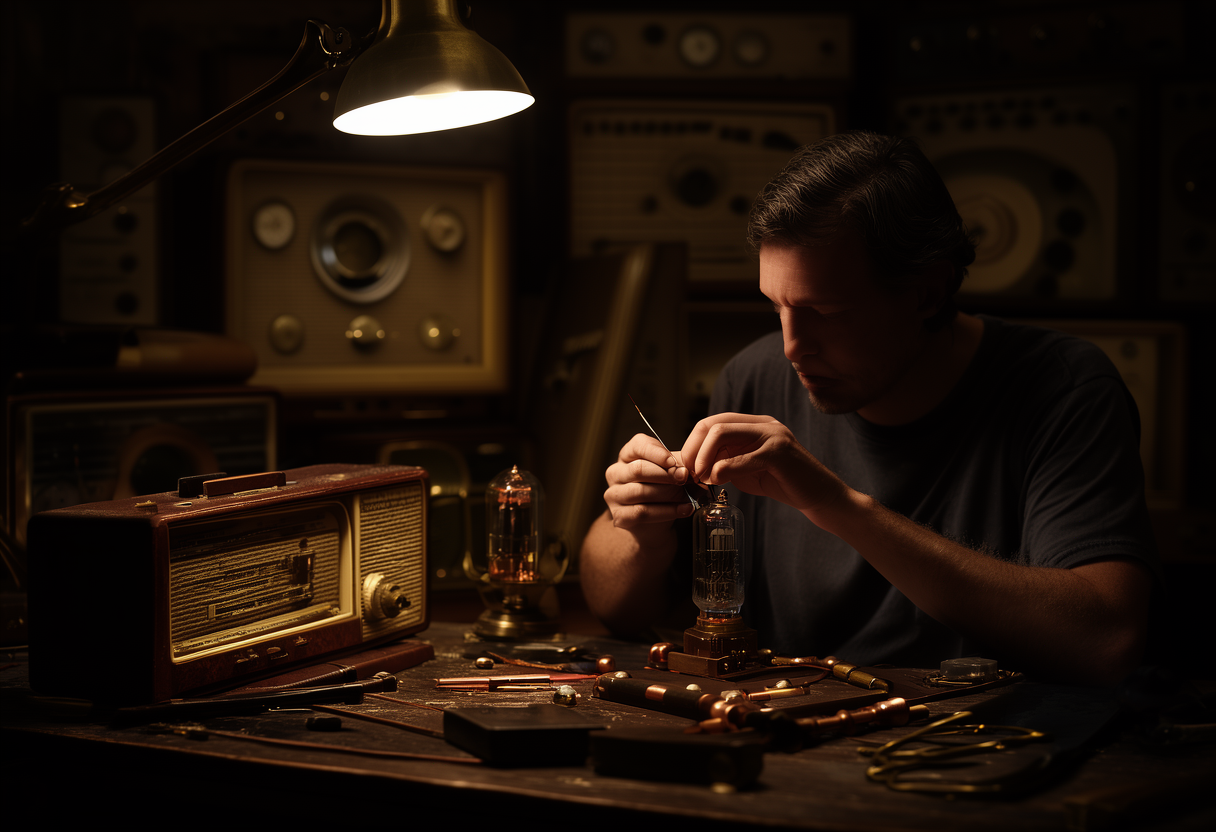
Restoring a vintage radio can be a rewarding project, but it requires patience and technical skill. Begin by thoroughly cleaning the radio to remove dust and grime. Use gentle cleaners and soft cloths to avoid damaging the finish. Next, inspect the internal components for signs of wear or damage. Replace capacitors, resistors, and other parts as needed to ensure the radio functions properly.
If the radio’s exterior is damaged, consider refinishing or repainting it. For radios with Bakelite or other plastic components, use specialized cleaners to restore their original luster. Testing the radio’s sound quality and adjusting the tuning mechanisms are essential steps. For complex restorations, consult a professional technician to avoid further damage.
Where to find vintage radios for your collection
Finding vintage radios requires persistence and a keen eye. Local flea markets, antique shops, and garage sales are excellent starting points. These venues often have hidden gems at reasonable prices. Online platforms like eBay, Etsy, and specialized vintage radio forums also offer a wide range of options. Join collector groups on social media to stay informed about upcoming sales and auctions.
Attending radio collector conventions and swap meets can provide access to rare and high-quality radios. Networking with other collectors can lead to valuable tips and opportunities. Estate sales and auctions are another great source, especially if the estate includes a collection of vintage items. Always inspect items carefully before purchasing to ensure they meet your criteria.
Types of vintage radios and their unique features
Vintage radios come in various types, each with unique features that appeal to collectors. Cathedral radios, popular in the 1930s, are known for their distinctive tall, narrow cabinets that resemble cathedral windows. Bubble-back radios, produced in the mid-1930s, feature a rounded back and were designed to improve sound quality. Tabletop radios, which became popular in the 1940s and 1950s, are compact and portable, making them ideal for everyday use.
Other types include console radios, which are larger and often incorporated into furniture, and clock radios, which combine a radio with a clock. Each type has its own charm and historical significance, making them valuable additions to any collection. Understanding the unique features of each type can help you make informed decisions when adding to your collection.
Maintaining and preserving your vintage radio collection
Proper maintenance is essential to preserve the value and functionality of your vintage radio collection. Store radios in a cool, dry place away from direct sunlight to prevent damage. Use protective covers to shield them from dust and moisture. Regularly clean the radios with gentle cleaners and soft cloths to maintain their appearance.
For radios that are not in use, periodically check the internal components to ensure they remain in good condition. If a radio is not functioning, address the issue promptly to prevent further damage. Consider investing in a dehumidifier to control moisture levels, especially in humid environments. By taking these steps, you can enjoy your collection for years to come.
Think of your vintage radio like a classic car. Just as a classic car requires regular maintenance and care to keep it running smoothly, your vintage radio needs attention to preserve its functionality and value. Regular cleaning, proper storage, and timely repairs will ensure your radio remains a prized possession.
Essential tools for vintage radio collectors
- Screwdriver set: For opening and closing the radio’s cabinet.
- Multimeter: For testing electrical components and diagnosing issues.
- Soldering iron: For repairing and replacing parts.
- Cleaning supplies: Soft cloths, mild cleaners, and specialized products for different materials.
- Replacement parts: Capacitors, resistors, and other components specific to your radio model.
- Protective covers: To shield radios from dust and moisture when not in use.
Building a network of vintage radio enthusiasts
Connecting with other vintage radio enthusiasts can enhance your collecting experience. Join online forums and social media groups dedicated to vintage radios. These platforms provide a wealth of information, from restoration tips to buying and selling advice. Attend local meetups, conventions, and swap meets to meet fellow collectors in person.
Consider joining a radio collector’s club or organization. These groups often host events, workshops, and educational sessions. Networking with other collectors can lead to valuable friendships and opportunities to expand your collection. Sharing your knowledge and passion with others can also be deeply rewarding.
Tips for buying vintage radios online
Buying vintage radios online can be convenient, but it requires caution to avoid scams and ensure you get a quality item. Start by researching the seller’s reputation and reading reviews from previous buyers. Look for detailed descriptions and high-quality photos that clearly show the radio’s condition. Ask the seller questions about the radio’s history, any repairs or modifications, and its current functionality.
Check the return policy before making a purchase. Ensure the policy allows you to return the radio if it does not meet your expectations. Use secure payment methods to protect yourself from fraud. Platforms like PayPal offer buyer protection, which can be useful if something goes wrong. Always trust your instincts; if a deal seems too good to be true, it probably is.
Start your vintage radio collection by identifying your interests and setting a budget. Research brands and models to understand their value and rarity. Visit local flea markets, antique shops, and online platforms to find potential additions to your collection. Engage with the collector community to gain insights and support. With patience and dedication, you can build a remarkable collection of vintage radios that bring joy and historical significance to your life.
Frequently asked questions
What are the first steps in restoring a vintage radio?
Start by inspecting the radio for damage. Remove the chassis and back panel to assess internal components. Clean the cabinet with a soft cloth and mild soap. Check for electrical safety by inspecting the power cord and plug. Document the original wiring and component layout before making any changes.
How can I identify the make and model of my vintage radio?
Look for manufacturer labels or serial numbers on the chassis or back panel. Consult vintage radio databases or forums. Check distinctive design features like knobs, logos, and cabinet styles. Reference books on vintage radios often include identification guides. Local radio clubs can also offer expertise.
What tools are essential for vintage radio restoration?
Basic tools include screwdrivers, pliers, and soldering equipment. A multimeter is crucial for testing electrical components. Specialized tools like tube testers and capacitance meters are useful. Cleaning supplies such as contact cleaner and cloths are needed. A well-lit workspace with an anti-static mat is essential.
How can I ensure the authenticity of a vintage radio when collecting?
Research the era and model to understand original features. Look for factory markings and original components. Be wary of modern replacements or modifications. Authentic radios often have patina and signs of age. Purchase from reputable dealers or auctions specializing in vintage items. Join collector groups to verify authenticity.