
Editorial Team · on 15 June 2026 · 7 min read · Last reviewed 15 June 2026
Vintage collecting focuses on acquiring and preserving items from past eras, with enthusiasts seeking unique pieces that reflect historical craftsmanship and cultural significance.
Key facts
- Vintage items are typically at least 20–30 years old but not yet considered antiques (100+ years).
- The value of vintage collectibles can range from a few dollars to tens of thousands, depending on rarity and condition.
- Popular vintage categories include guitars, glassware (like Pyrex), postcards, radios, and tins.
- Condition, provenance, and market demand heavily influence the worth of a vintage piece.
What makes a guitar “vintage”?
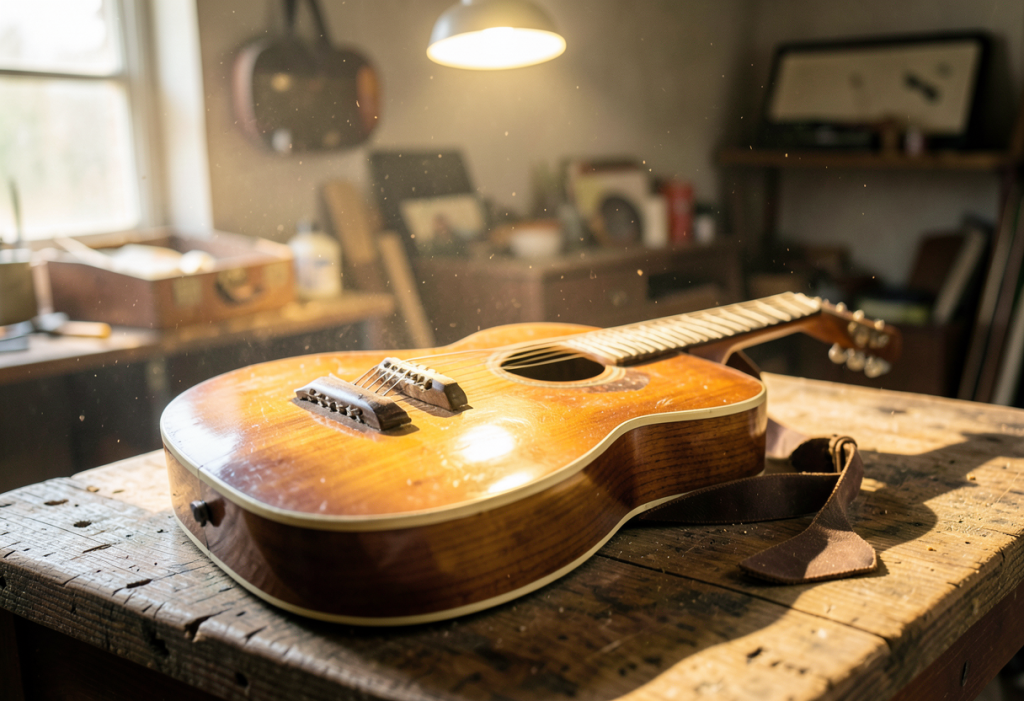
A guitar is considered vintage if it was made between roughly 1950 and 1980, though some collectors extend this range to the early 1990s. The term is often associated with iconic brands like Fender, Gibson, and Martin, whose designs from this era remain highly sought after.
For example, a 1959 Fender Stratocaster or a 1954 Gibson Les Paul is considered vintage due to their historical significance and enduring influence on music. These guitars are prized for their unique tonal qualities, craftsmanship, and role in shaping musical genres like rock ‘n’ roll and blues.
Not all older guitars are vintage, however. A guitar from the 1970s might be old but not necessarily vintage if it lacks the defining characteristics that collectors value. Factors like materials, construction techniques, and historical context play a role in determining whether a guitar qualifies as vintage.
Why do people collect vintage guitars?
Many collectors are drawn to vintage guitars for their historical significance and the connection they provide to legendary musicians. For instance, a 1960s Gibson SG might be coveted because it was used by artists like Eric Clapton or Tony Iommi. This association with musical icons adds to the guitar’s allure and value.
Others appreciate the superior craftsmanship of vintage guitars. Older instruments were often handmade with high-quality materials like solid wood, resulting in a richer, more resonant sound than many modern guitars. The attention to detail and durability of vintage models make them prized possessions.
Additionally, collecting vintage guitars can be a profitable investment. Rare models often appreciate in value over time, especially if they are in excellent condition and come with proper documentation. However, not all vintage guitars are valuable, so research and expertise are essential.
Vintage guitars also offer a tangible connection to musical history. Owners often enjoy the tactile experience of playing an instrument that has been used by famous musicians or that represents a specific era in music. This emotional connection can make collecting vintage guitars a deeply rewarding hobby.
How to identify authentic vintage guitars
Authenticating a vintage guitar requires knowledge of the brand’s history, serial numbers, and construction details. For example, Fender guitars from the 1950s and 1960s often have specific neck shapes, pickup configurations, and finishes that distinguish them from later models. Gibson guitars from the same era may feature distinctive inlays, hardware, and serial number formats.
Serial numbers are one of the most reliable ways to verify a guitar’s age and authenticity. For instance, a 1957 Fender Stratocaster will have a serial number in the range of 20000–23000, while a 1960s Gibson Les Paul might have a number starting with “6” followed by digits. Cross-referencing these numbers with manufacturer records can help confirm authenticity.
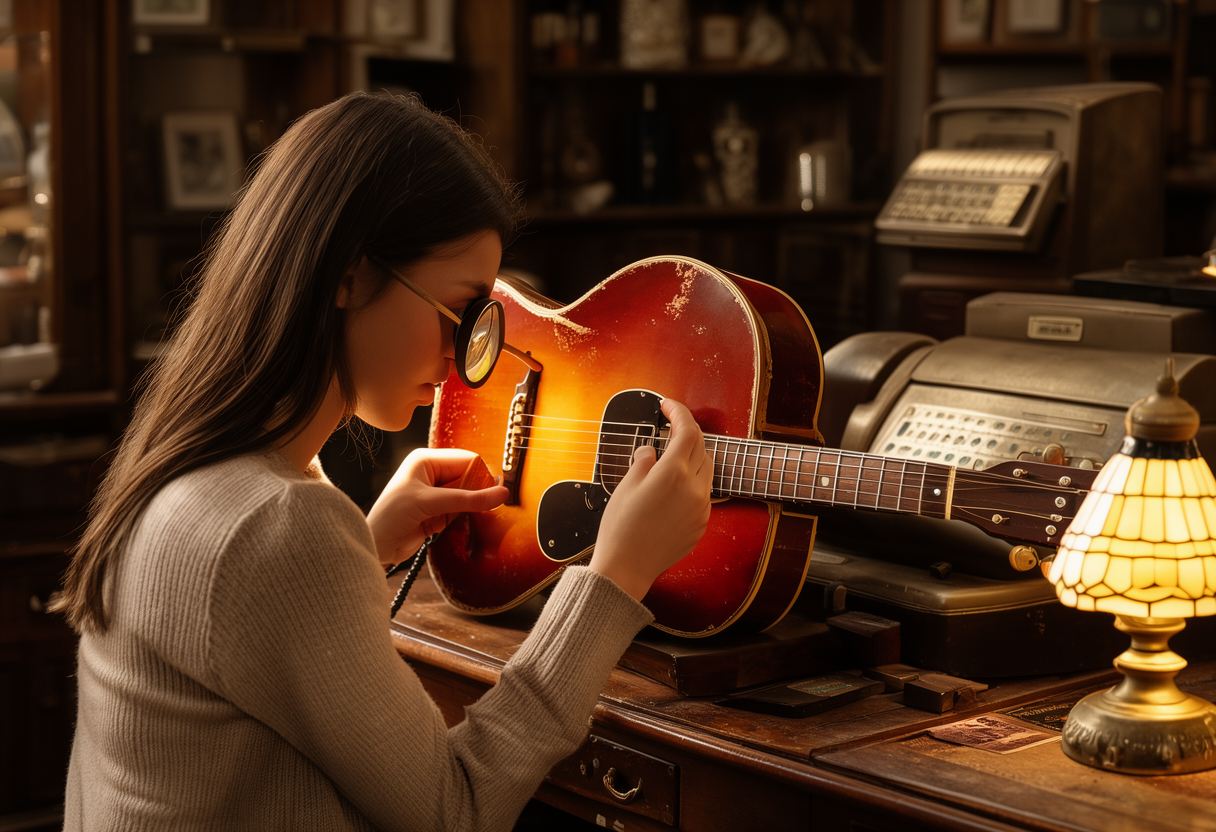
Condition is another key factor. Vintage guitars should show signs of natural aging, such as patina on the hardware, slight wear on the fretboard, or minor finish checks. However, excessive damage or modifications can significantly reduce a guitar’s value. Collectors should be wary of guitars that appear too pristine, as they may have been refinished or heavily restored.
Provenance, or the documented history of the guitar, can also provide valuable insights. Look for paperwork, photos, or other evidence that verifies the guitar’s lineage. Reputable dealers often provide detailed histories, including previous owners and any notable events associated with the instrument.
Where to buy vintage guitars
Vintage guitars can be found in a variety of places, from online marketplaces to specialized brick-and-mortar stores. Reputable dealers and vintage guitar shops are often the best sources, as they typically provide authentication and detailed histories of their inventory. Websites like Reverb, eBay, and specialized vintage guitar forums are also popular for buying and selling.
Auction houses and estate sales can be treasure troves for rare and valuable vintage guitars. These venues often attract serious collectors and can yield unique finds. However, buyers should be cautious and thoroughly research any guitar before purchasing, as misrepresentations can occur.
Music festivals, trade shows, and collector conventions are excellent places to network with other enthusiasts and discover rare guitars. These events often feature dealers, appraisers, and experts who can provide insights into the value and authenticity of vintage instruments.
Think of collecting vintage guitars like assembling a puzzle where each piece has a story. The serial number is like the puzzle’s edge, helping you confirm its age and authenticity. The condition of the guitar is like the colors and clarity of the puzzle pieces, where natural wear shows it’s the real deal, but too much damage or restoration makes it incomplete.
How to care for vintage guitars
Proper maintenance is crucial for preserving the value and playability of vintage guitars. Keep them in a stable environment with controlled humidity and temperature to prevent warping or cracking. A dedicated guitar case or a humidity-controlled display case can help protect the instrument from environmental damage.
Regular cleaning and polishing with products designed for vintage instruments will maintain the finish and prevent buildup of dirt and oils. Avoid using harsh chemicals or abrasive materials, as they can damage the wood and finish. Instead, use a soft cloth and a mild cleaner specifically formulated for guitars.
String changes should be done carefully to avoid damaging the delicate finishes and hardware of vintage guitars. Use high-quality strings and consider having a professional luthier perform routine maintenance, such as neck adjustments and fret leveling, to ensure the guitar stays in optimal condition.
For long-term storage, avoid exposing the guitar to direct sunlight or extreme temperatures. Use a humidifier in dry climates to maintain the proper moisture level. Regularly inspect the guitar for signs of wear or damage, and address any issues promptly to prevent further deterioration.
How to start a vintage guitar collection
Starting a vintage guitar collection requires a combination of knowledge, patience, and a keen eye for detail. Begin by educating yourself on the history and characteristics of the brands you’re interested in. Visit vintage guitar shops, attend trade shows, and connect with other collectors to gain insights and learn about rare finds.
Research authentication methods and learn to recognize key features of vintage instruments. This knowledge will help you make informed decisions when purchasing. Start with a budget and focus on acquiring guitars that fit within your financial limits while still meeting your criteria for quality and rarity.
Consider joining online forums or local clubs dedicated to vintage guitar collecting. These communities can provide valuable advice, support, and opportunities to network with experienced collectors. Attend auctions, estate sales, and music festivals to discover unique pieces and stay informed about market trends.
Document the history and condition of each guitar in your collection. Keep detailed records, including purchase receipts, authentication certificates, and any relevant provenance information. This documentation will not only help you maintain the value of your collection but also provide a rich historical context for each instrument.
Start by educating yourself on the history and characteristics of the brands you’re interested in. Visit vintage guitar shops, attend trade shows, and connect with other collectors to gain insights and learn about rare finds. Research authentication methods and learn to recognize key features of vintage instruments. Finally, be patient and selective—buying the right guitar at the right price takes time and knowledge.
Frequently asked questions
What should I look for when buying my first vintage guitar?
Check the guitar’s condition, focusing on neck straightness, fret wear, and finish integrity. Verify its authenticity by examining serial numbers and build markers. Research the model’s history to understand its value and rarity. Play it to ensure it meets your expectations in sound and playability.
How can I tell if a vintage guitar is authentic?
Look for unique features like serial numbers, stamps, or labels that match the period and brand. Consult reputable resources or experts. Be wary of excessive wear or modifications, which can indicate forgery. Authentic vintage guitars often have distinctive construction details and materials specific to their era.
What are the most popular vintage guitar brands to collect?
Fender, Gibson, and Martin are the most sought-after brands. Fender’s Stratocaster and Telecaster models from the 1950s and 1960s are highly prized. Gibson’s Les Paul and SG models from the same era are also popular. Martin’s pre-war acoustic guitars, especially the D-series, are valued for their craftsmanship and tone.
How should I care for my vintage guitar to maintain its value?
Store it in a controlled environment away from humidity and temperature extremes. Use a soft cloth to clean the body and strings. Avoid excessive handling to prevent finish damage. Regularly check and adjust the truss rod to maintain neck stability. Consider professional setup and maintenance to keep it in optimal playing condition.