
Editorial Team · on 15 June 2026 · 10 min read · Last reviewed 15 June 2026
Vintage Pyrex collecting involves seeking out and preserving mid-20th century glassware known for its vibrant colors, durable construction, and distinctive designs.
Key facts
- Pyrex was originally developed in 1915 for laboratory use before becoming a household kitchen staple.
- The most sought-after vintage Pyrex pieces date from the 1940s to the 1970s, with some patterns now worth thousands of dollars.
- Original Pyrex was made of borosilicate glass, which is more resistant to thermal shock than modern tempered glass versions.
- Identifying genuine vintage Pyrex requires examining markings, patterns, and understanding production periods.
What makes vintage Pyrex valuable to collectors?
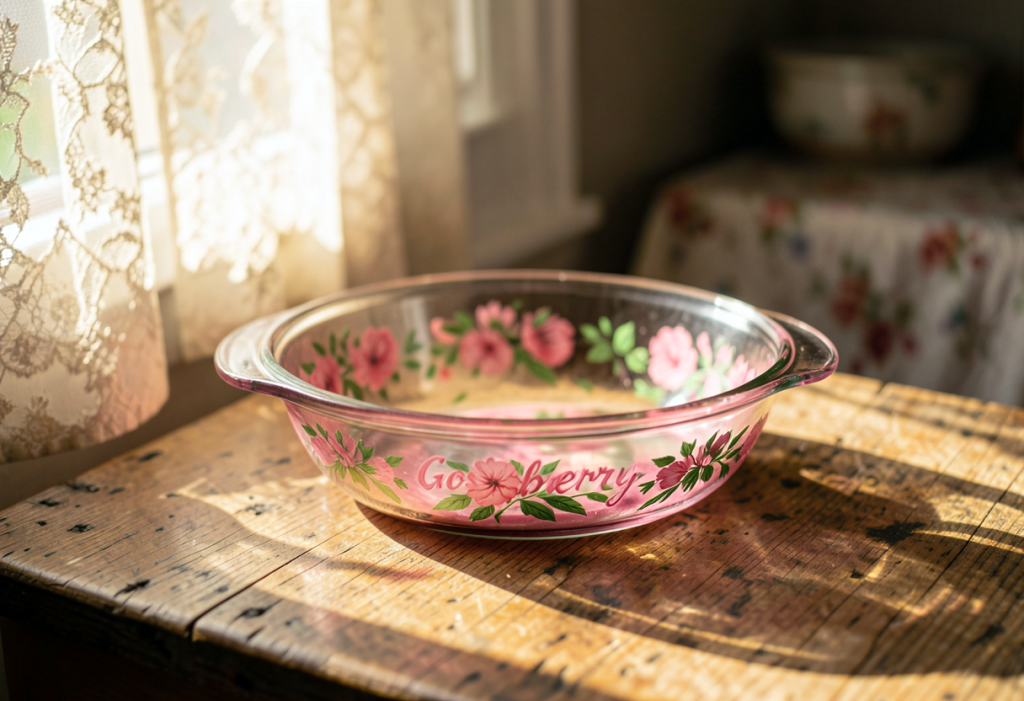
Vintage Pyrex’s value comes from several factors. First, its historical significance as a pioneer in kitchenware innovation makes it appealing to collectors. The brand’s transition from laboratory glass to household essential creates an interesting narrative that enhances its collectibility. Second, the vibrant colors and diverse patterns produced during its peak years (1940s-1970s) are highly prized for their aesthetic appeal. Colors like Fire King’s “Sunburst Yellow” or “Turquoise Blue” and patterns like “Atomic Stars” or “Gooseberry” have become iconic in the collecting community.
Rarity also plays a crucial role in determining value. Certain patterns were produced in limited quantities or for short periods, making them more desirable. For example, the “Pink Daisy” pattern, introduced in 1957, was discontinued after just two years, making it a rare find today. Similarly, the “Primrose” pattern, with its delicate floral design, is highly sought after due to its scarcity. The condition of the pieces significantly impacts their value. Collectors prefer items that are in excellent condition, with no chips, cracks, or significant wear. The original packaging and lids can also enhance a piece’s value, as they are often harder to find intact.
How do you identify authentic vintage Pyrex?
Identifying authentic vintage Pyrex requires attention to several key details. First, examine the markings on the bottom of the piece. Early Pyrex items typically have a stamp that reads “Pyrex” with a small “X” in the middle of the “P” and “E.” This marking evolved over time, so understanding these variations can help date a piece. For example, pieces made before 1955 often have a “P” with a small “X” in the middle, while those made after 1955 may have a more simplified design. Additionally, the presence of a “Made in USA” stamp can indicate authenticity, as this was commonly used on vintage Pyrex.
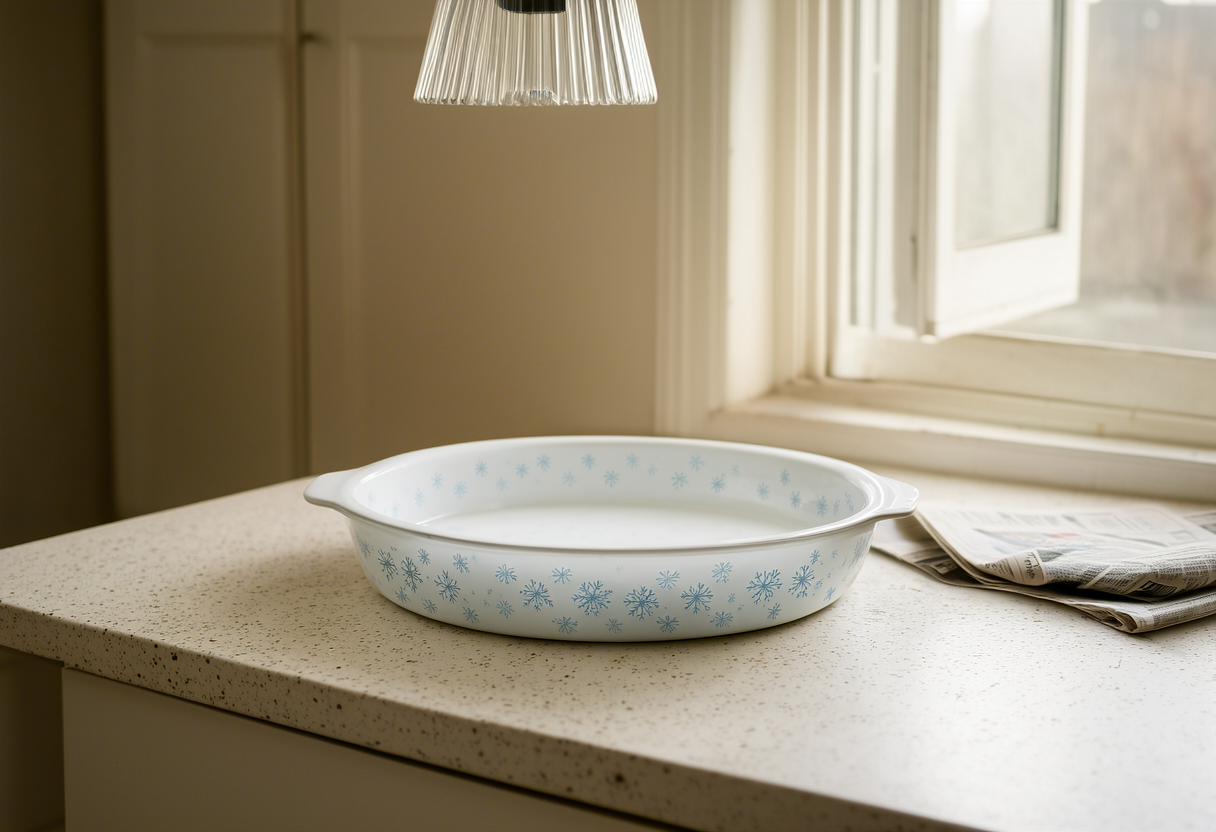
Next, familiarize yourself with the different patterns and designs associated with vintage Pyrex. Each pattern has unique characteristics that can help you identify its authenticity. For instance, the “Atomic Stars” pattern features a distinctive starburst design with small atomic symbols, while the “Gooseberry” pattern has a delicate, raised floral motif. Collectors often refer to pattern guides or online resources to verify the authenticity of a piece. Pay attention to the color and quality of the glass. Vintage Pyrex is known for its vibrant, rich colors that are evenly distributed throughout the glass. Modern reproductions may have a more faded or uneven coloration, which can be a red flag.
Where can you find vintage Pyrex pieces?
Vintage Pyrex can be found in various places, both online and offline. Local flea markets, antique shops, and estate sales are popular spots for collectors to uncover hidden gems. These locations often have a variety of vintage items, and negotiating prices is common. Online marketplaces like eBay, Etsy, and specialized vintage Pyrex forums are also excellent resources. These platforms allow collectors to browse a wide range of items from the comfort of their homes. Additionally, social media groups and online auctions can provide access to rare and sought-after pieces. Networking with other collectors can be beneficial, as they often share tips on where to find the best deals and upcoming sales.
For those looking for a more curated experience, vintage Pyrex shows and exhibitions are held in various parts of the country. These events bring together collectors, dealers, and enthusiasts, offering a unique opportunity to see a wide range of pieces in one place. Attending these shows can also provide valuable insights into the latest trends and values in the vintage Pyrex market. Joining collector groups and forums can enhance your knowledge and connections in the community. These groups often organize meetups, swaps, and sales events, providing a supportive environment for both novice and experienced collectors.
How do you care for and maintain your vintage Pyrex collection?
Proper care and maintenance are essential for preserving the value and beauty of your vintage Pyrex collection. Always handle Pyrex pieces with care to avoid chips, cracks, or scratches. Use soft cloths or gloves when handling to prevent fingerprints and smudges. When cleaning, use mild dish soap and warm water, avoiding abrasive cleaners or scrubbers that can damage the glass. For tougher stains, a mixture of baking soda and water can be gently applied with a soft cloth. Never use the dishwasher, as the high temperatures and harsh detergents can weaken the glass over time.
Storing your vintage Pyrex properly is crucial for maintaining its condition. Keep pieces in a cool, dry place away from direct sunlight to prevent fading and discoloration. Using padded shelves or individual compartments can help protect them from bumps and scratches. Displaying your collection in a glass cabinet or on a dedicated shelf can showcase your items while keeping them safe from dust and damage. Regularly inspect your collection for any signs of wear or damage, addressing issues promptly to prevent further deterioration. For more tips on maintaining your vintage items, check out our guide on Essential Tips for Vintage Postcard Collecting.
What are the most valuable vintage Pyrex patterns and pieces?
The most valuable vintage Pyrex patterns and pieces are often those that were produced in limited quantities or have unique design features. The “Pink Daisy” pattern, for example, is highly sought after due to its rarity and delicate floral design. Pieces from this pattern can fetch high prices, especially if they are in excellent condition. The “Atomic Stars” pattern, with its distinctive starburst and atomic symbols, is also highly collectible. Its association with the mid-20th century atomic age adds to its historical significance and appeal.
Other valuable patterns include the “Gooseberry” and “Primrose” designs. The “Gooseberry” pattern features a vibrant turquoise color with a raised floral motif, making it a favorite among collectors. The “Primrose” pattern, with its delicate pink and green floral design, is also highly prized. Pieces from these patterns can range in value depending on their rarity and condition. For those interested in expanding their collection beyond Pyrex, our guide on Where to Find and Collect Vintage Tins offers valuable insights into another popular vintage collecting niche.
Think of vintage Pyrex collecting like assembling a puzzle. Each piece you find fits into the bigger picture of understanding and appreciating mid-20th century kitchen history. The more complete your collection, the clearer the historical narrative becomes, much like how each puzzle piece contributes to the final image.
What are some common mistakes to avoid when collecting vintage Pyrex?
- Assuming all marked Pyrex is vintage. Some modern reproductions may have similar markings, so always verify through additional signs like color, design, and production techniques.
- Overlooking the condition of the piece. Minor chips or cracks can significantly decrease a piece’s value, so always inspect items thoroughly before purchasing.
- Ignoring the importance of lids and original packaging. These items can enhance the value and completeness of your collection, making them worth seeking out.
- Failing to research current market values. Prices can vary widely based on rarity, condition, and demand, so staying informed helps you make better purchasing decisions.
How do you authenticate vintage Pyrex pieces?
Authenticating vintage Pyrex pieces involves several steps to ensure you are getting a genuine item. First, examine the markings on the bottom of the piece. Authentic vintage Pyrex typically has specific stamps or logos that indicate its age and origin. For example, pieces made before 1955 often have a “P” with a small “X” in the middle, while those made after 1955 may have a more simplified design. Additionally, the presence of a “Made in USA” stamp can indicate authenticity. Research the pattern and design to ensure it matches known vintage Pyrex designs. Each pattern has unique characteristics that can help you identify its authenticity. For instance, the “Atomic Stars” pattern features a distinctive starburst design with small atomic symbols, while the “Gooseberry” pattern has a delicate, raised floral motif.
Consult with experts or experienced collectors. Joining collector groups and forums can provide valuable insights and help you verify the authenticity of a piece. These groups often have knowledgeable members who can offer guidance and share their expertise. Use online resources and pattern guides. There are numerous online resources and pattern guides available that can help you identify and authenticate vintage Pyrex pieces. These resources often include detailed information about specific patterns, production years, and markings. For more tips on authenticating vintage items, explore our guide on Restoring and Collecting Vintage Radios.
How can you start collecting vintage Pyrex on a budget?
Starting a vintage Pyrex collection on a budget is entirely possible with the right strategies. Begin by focusing on common patterns and pieces that are more affordable. Patterns like “Snowflake” or “Blue Book” are often easier to find and more budget-friendly. These patterns still offer beautiful designs and can be a great way to build the foundation of your collection. Explore local flea markets, thrift stores, and garage sales. These locations often have hidden gems at lower prices. Negotiating prices is common, so don’t be afraid to haggle for a better deal. Online marketplaces like eBay and Etsy can also offer competitive prices, especially if you’re patient and watch for auctions or sales.
Network with other collectors. Joining collector groups and forums can provide valuable tips and insights on where to find the best deals. Members often share information about upcoming sales, estate auctions, and other opportunities to acquire vintage Pyrex at lower prices. Focus on building a diverse collection rather than acquiring rare, high-value pieces. This approach allows you to enjoy a variety of patterns and designs without breaking the bank. For more budget-friendly collecting tips, check out our guide on How to Start Collecting Vintage Items.
What are the future trends in vintage Pyrex collecting?
The future of vintage Pyrex collecting is likely to be influenced by several emerging trends. One notable trend is the increasing interest in mid-century modern design. As this style continues to gain popularity, the demand for vintage Pyrex pieces that embody this aesthetic is expected to rise. Patterns like “Atomic Stars” and “Gooseberry” are particularly sought after for their distinctive mid-century designs. Another trend is the growing appreciation for sustainable and eco-friendly practices. Vintage Pyrex, with its durability and timeless appeal, aligns well with this movement. Collectors are increasingly valuing the environmental benefits of using and preserving vintage items, making Pyrex an attractive option. The rise of online collecting communities and social media platforms is also shaping the future of vintage Pyrex collecting. These platforms provide collectors with a global marketplace to buy, sell, and trade pieces, as well as share knowledge and expertise. This increased connectivity is fostering a more vibrant and engaged collecting community.
For those interested in exploring other vintage collecting niches, our guide on A Beginner’s Guide to Collecting Vintage Guitars offers valuable insights into another popular area of collecting.
To begin your vintage Pyrex collecting journey, start by educating yourself on the different patterns, markings, and historical context. Visit local antique shops, flea markets, and online marketplaces to familiarize yourself with the types of pieces available. Join collector groups and forums to connect with experienced collectors and gain valuable insights. As you build your collection, focus on pieces that resonate with you and align with your budget. With patience and dedication, you can create a meaningful and valuable vintage Pyrex collection that reflects your personal style and interests.
Frequently asked questions
What makes vintage Pyrex valuable?
Vintage Pyrex is valued for its durability, vibrant colors, and unique patterns. Pieces from the 1940s to 1970s, especially those with rare patterns like 'Atomic Stars' or 'Primrose,' are highly sought after. Condition, rarity, and desirability of the pattern significantly impact value. Original boxes and lids can also increase a piece's worth.
How can I identify authentic vintage Pyrex?
Authentic vintage Pyrex typically has a stamp on the bottom indicating the pattern name and manufacturer. Look for markings like 'Pyrex' or 'Corning Glass Works.' Be cautious of modern reproductions. Research common patterns and their characteristics. Join online communities or consult expert guides to learn more about identifying genuine pieces.
What are the best places to find vintage Pyrex?
Thrift stores, estate sales, and flea markets are great places to start. Online marketplaces like eBay, Etsy, and specialized Pyrex forums can also yield finds. Attend antique shows and auctions. Networking with other collectors through social media groups can provide tips on where to find rare pieces.
How should I care for my vintage Pyrex collection?
Hand wash your vintage Pyrex to preserve its condition. Avoid sudden temperature changes to prevent cracking. Store pieces in a cool, dry place, preferably in their original boxes or padded containers to protect them. Regularly inspect for chips or cracks. Handle with care to maintain their value and aesthetic appeal.