
Editorial Team · on 15 June 2026 · 6 min read · Last reviewed 15 June 2026
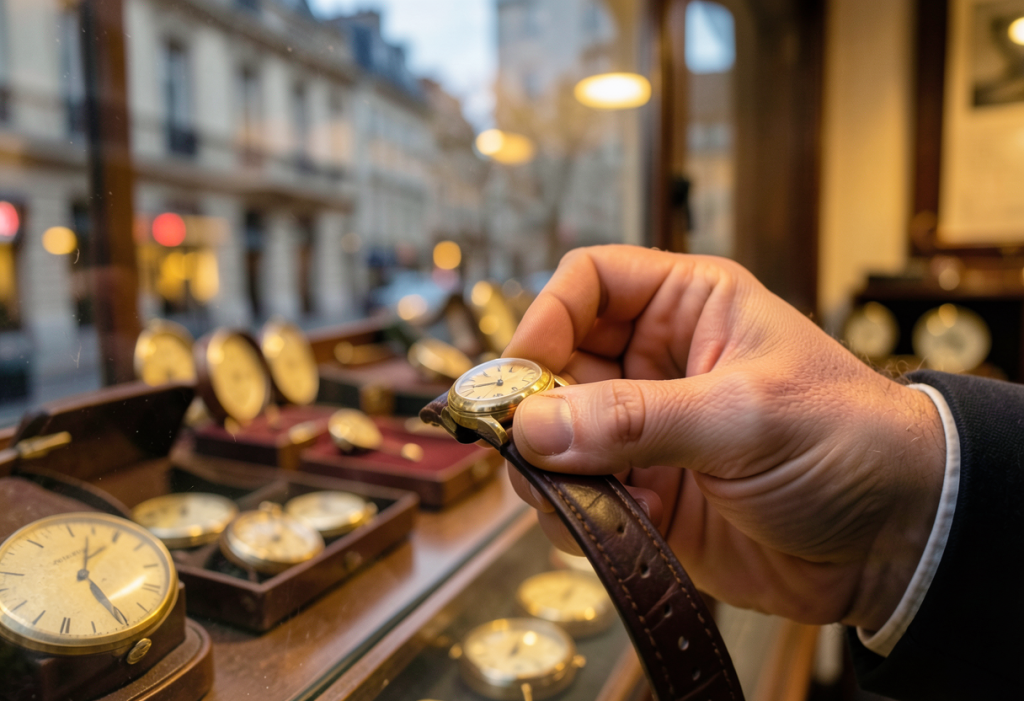
Vintage collecting is the pursuit, preservation, and appreciation of antique or historically significant items, particularly watches, with a focus on rarity, craftsmanship, and heritage.
Key facts
- Vintage watches are typically defined as timepieces that are between 20 to 100 years old.
- The global vintage watch market was valued at over $3.5 billion in 2023.
- Rolex, Omega, and Patek Philippe are among the most sought-after vintage watch brands.
- Key factors in vintage watch collecting include brand history, model rarity, and condition.
What defines a watch as vintage?
A watch is generally considered vintage if it was produced between 20 to 100 years ago. This timeframe allows the watch to have historical significance and collectible value without being classified as an antique. Vintage watches are often sought after for their craftsmanship, design, and the stories they tell about the era they come from.
The vintage designation is not just about age; it also encompasses the watch’s condition, originality, and provenance. A vintage watch should ideally be in good working condition, with minimal restorations that preserve its original character. The watch’s history, including previous owners and any notable events it has been part of, can significantly enhance its value.
How do you start collecting vintage watches?
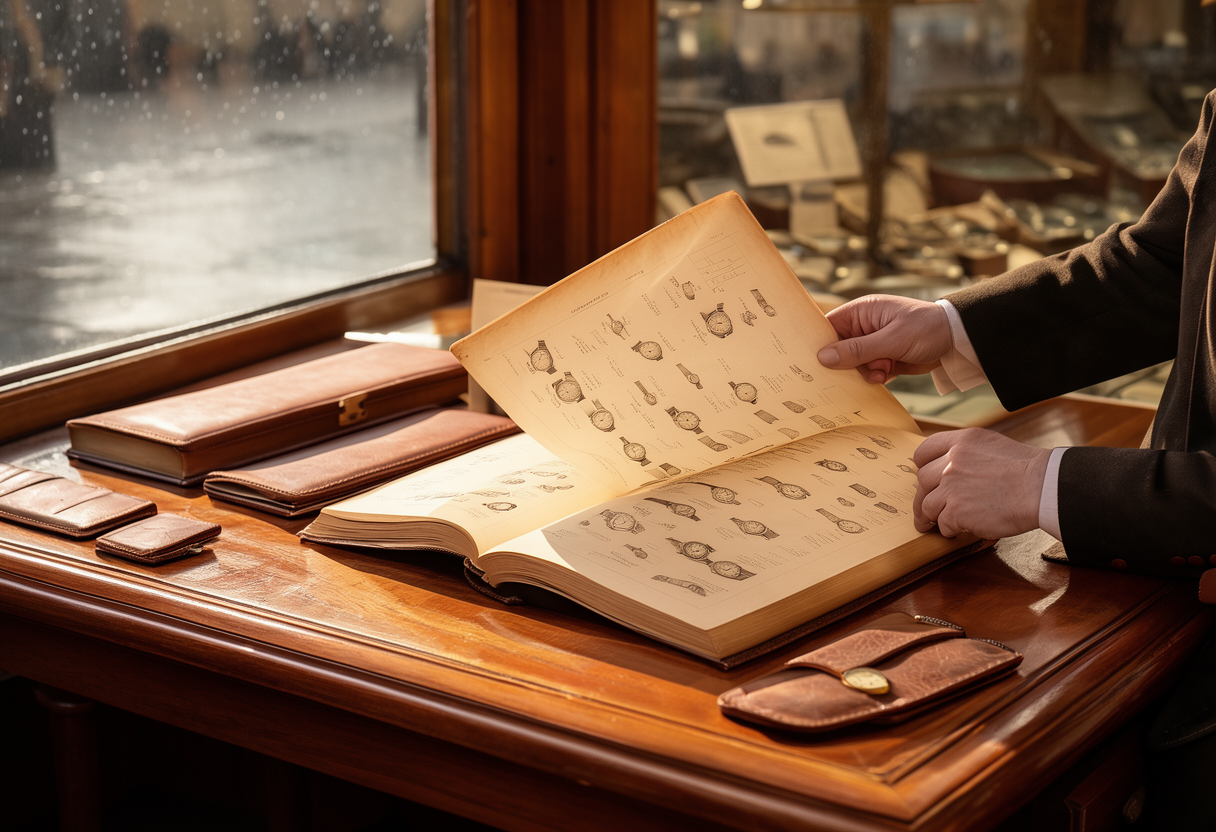
Beginning your vintage watch collection involves several key steps. First, educate yourself about the history and mechanics of watches. Familiarize yourself with notable brands, models, and the differences between various movements, such as manual, automatic, and quartz. Understanding these basics will help you make informed decisions and appreciate the intricacies of vintage timepieces.
Next, set a budget for your collection. Vintage watches can range from affordable pieces to highly expensive investments. Determine how much you are willing to spend and stick to your budget. This will help you focus on specific brands and models that fit within your price range. Additionally, consider factors like maintenance and potential restoration costs, as vintage watches may require more upkeep than modern ones.
Join watch forums and online communities to connect with other collectors. These platforms offer valuable insights, advice, and opportunities to buy or trade watches. Attend watch fairs, auctions, and exhibitions to see vintage watches in person and network with dealers and enthusiasts. Building relationships within the watch community can provide access to rare pieces and expert guidance.
What are the most collectible vintage watch brands?
Rolex, Omega, and Patek Philippe are among the most collectible vintage watch brands. Rolex, known for its robust and reliable designs, has several iconic models like the Submariner, Daytona, and GMT-Master that are highly sought after by collectors. Omega, with its rich history in aviation and space exploration, offers vintage pieces like the Speedmaster and Seamaster that are prized for their association with significant events.
Patek Philippe, renowned for its intricate craftsmanship and precision, produces vintage watches that are considered some of the finest in the world. Models like the Calatrava, Nautilus, and Aquanaut are highly coveted for their elegance and engineering excellence. Other notable brands include Audemars Piguet, known for the Royal Oak, and Jaeger-LeCoultre, famous for its Reverso and Master Ultra Thin collections.
How do you authenticate and verify the condition of vintage watches?
Authenticating a vintage watch involves verifying its origin, age, and authenticity. Start by examining the watch’s serial number, which can often be traced back to the manufacturer’s records. Additionally, check for hallmarks, such as the brand’s logo and any other identifying marks, which can help confirm the watch’s authenticity. Consulting with a reputable watch dealer or expert can provide further assurance, as they have the knowledge and tools to detect counterfeits.
The condition of a vintage watch is crucial in determining its value. Look for signs of wear and tear, such as scratches, dents, or faded dials. A watch in excellent condition with minimal restorations will command a higher price. Pay attention to the movement, ensuring it functions smoothly and accurately. If the watch requires servicing, factor in the cost of restoration when making your purchase. Documenting the watch’s history, including previous ownership and any known servicing, can also enhance its value and authenticity.
What are the best places to buy vintage watches?
Auction houses like Sotheby’s and Christie’s are excellent places to find rare and valuable vintage watches. These auctions often feature watches with proven provenance and high collectible value. Online platforms such as eBay, WatchRecon, and Chrono24 provide a wide range of vintage watches from various sellers. These platforms offer convenient access to a global market, allowing you to compare prices and find unique pieces.
Specialized watch dealers and boutiques are another great option for buying vintage watches. These dealers often have a curated selection of high-quality watches and can provide expert advice and authentication services. Local watch fairs and exhibitions are also valuable resources for finding vintage watches and connecting with other collectors. Building relationships with dealers and attending these events can provide access to rare and desirable pieces.
Collecting vintage watches is like assembling a puzzle where each piece has its own story. You need to understand the history, condition, and authenticity of each watch, much like fitting the right puzzle piece into place. Patience, research, and a keen eye for detail are essential to building a meaningful collection.
How do you care for and maintain vintage watches?
Maintaining a vintage watch requires regular servicing and careful handling. Regular servicing, typically every 3-5 years, ensures the watch’s movement remains accurate and functions smoothly. This involves cleaning, lubricating, and replacing any worn parts. Proper storage is also crucial; keep your watch in a dry, cool place, away from direct sunlight and magnetic fields. Using a watch winder can help maintain the watch’s movement if it is not worn daily.
Handling your vintage watch with care is essential to preserve its condition. Avoid exposing it to extreme temperatures, humidity, or physical shocks. Clean the watch regularly with a soft cloth to remove dust and dirt. When not in use, store the watch in its original box or a protective case to prevent damage. If the watch has a leather strap, condition it periodically to keep it supple and prevent cracking. By following these care tips, you can ensure your vintage watch remains in excellent condition for years to come.
- Educate yourself on watch history and mechanics.
- Set a budget and stick to it.
- Join watch forums and online communities.
- Attend watch fairs, auctions, and exhibitions.
- Authenticate and verify the condition of watches before purchasing.
- Consider factors like maintenance and restoration costs.
- Store and handle your watches with care.
- Regularly service and clean your watches.
Starting your vintage watch collection is an exciting journey into the world of horology. By following these steps and tips, you can build a meaningful and valuable collection that reflects your passion and appreciation for these timeless pieces. Happy collecting!
Frequently asked questions
What are the best entry-level vintage watches to start collecting?
Begin with affordable and widely available models like the Seiko 6139 Chronograph or the Omega Seamaster 300. These watches offer good value and are easier to find. Avoid rare or highly sought-after models initially, as they can be expensive and difficult for beginners to authenticate.
How can I authenticate a vintage watch?
Check the watch's serial number against known production dates. Look for signs of originality, such as matching numbers on the case and movement. Consult reputable online forums or seek advice from experienced collectors. Be wary of watches with signs of heavy restoration or non-original parts.
Where should I buy vintage watches?
Start with reputable online marketplaces like eBay or Chrono24. Local watch fairs and auctions can also be good places to find deals. Always buy from sellers with positive feedback and clear photos. Avoid private sellers who cannot provide detailed watch history or authentication.
How do I care for and maintain a vintage watch?
Regularly wind and service the watch to keep it running smoothly. Store it in a dry, cool place away from direct sunlight. Avoid exposing it to extreme temperatures or magnetic fields. For mechanical watches, consider professional servicing every 5-10 years to ensure longevity.