
Editorial Team · on 15 June 2026 · 12 min read · Last reviewed 15 June 2026
Vintage collecting involves seeking out and preserving historical guitars, prized for their craftsmanship, rarity, and cultural significance.
Key facts
- Vintage guitars are typically defined as instruments manufactured between the 1940s and 1980s.
- The most sought-after brands include Fender, Gibson, and Martin, with certain models commanding prices exceeding $100,000.
- Authenticity is paramount in vintage guitar collecting, with factors like serial numbers, factory markings, and historical documentation playing crucial roles.
- The market for vintage guitars has seen steady growth, driven by collectors, musicians, and investors.
What defines a vintage guitar?
A guitar is considered vintage if it was produced between the 1940s and the 1980s. This era is notable for its distinct craftsmanship and the use of high-quality materials that are often superior to those used in modern guitar production. Brands like Fender, Gibson, and Martin are particularly revered among collectors for their historical significance and the unique tonal qualities of their vintage instruments.
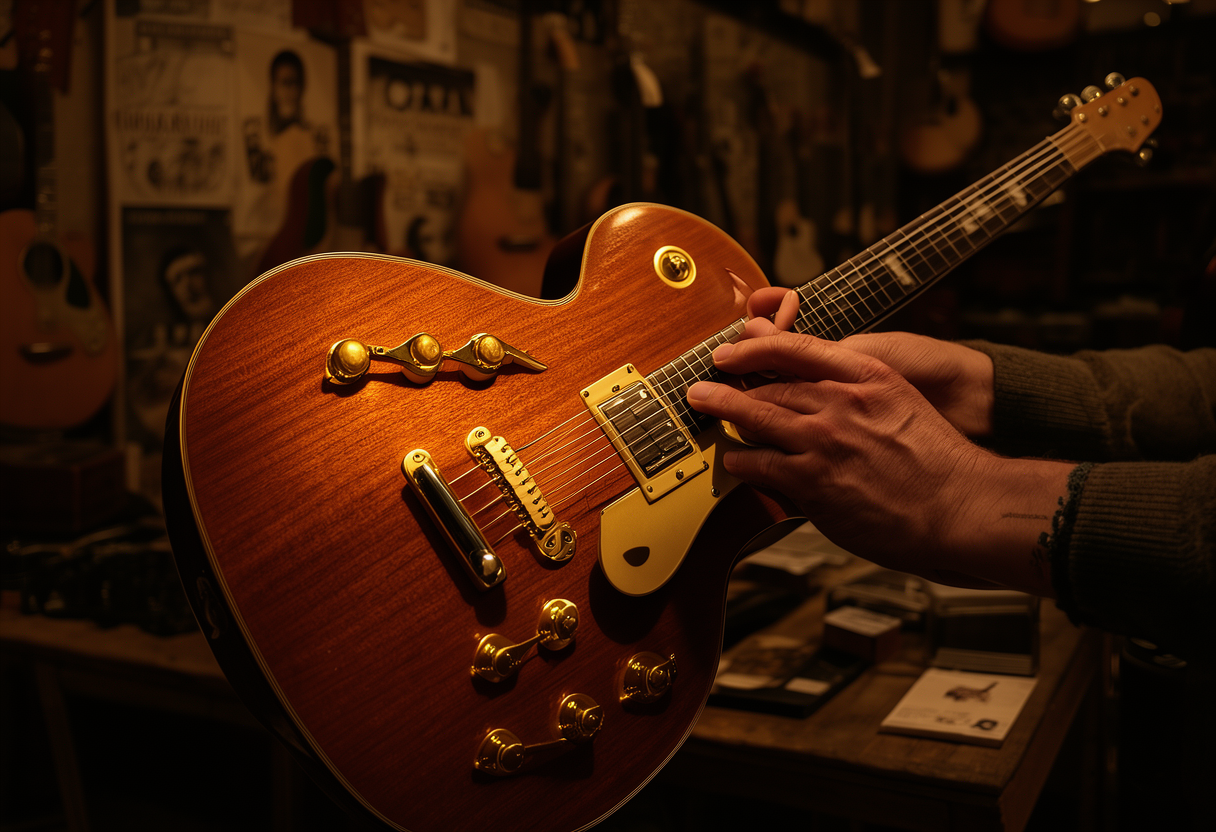
For example, a 1959 Gibson Les Paul Standard is often cited as one of the most iconic vintage guitars. Its combination of a mahogany body with a maple top, paired with humbucker pickups, creates a rich, warm sound that is highly prized by musicians and collectors alike. The specific construction techniques and materials used during this period contribute to the guitar’s distinctive character, making it a sought-after piece in the vintage market.
What should you look for when buying a vintage guitar?
Authenticity is the primary consideration when purchasing a vintage guitar. This involves verifying the instrument’s origin through serial numbers, factory markings, and any available historical documentation. Reputable dealers and experts can provide valuable insights and certifications to ensure the guitar’s legitimacy. Additionally, the condition of the guitar plays a significant role in its value. Factors such as the integrity of the finish, the state of the fretboard, and the functionality of the hardware are all critical aspects to examine.
Another important factor is the guitar’s provenance. A well-documented history, including previous owners and any notable performances or recordings associated with the instrument, can significantly enhance its value. For instance, a guitar that was used by a famous musician or played on a historic recording can command a premium price. Collectors often seek out instruments with a rich backstory, as this adds to their allure and historical significance.
In terms of specific models, certain guitars from the 1950s and 1960s are particularly desirable. The Fender Stratocaster and Telecaster, along with the Gibson Les Paul and SG, are among the most sought-after vintage guitars. These models are renowned for their innovative designs and the influential roles they played in the development of modern music. Collectors and musicians alike appreciate the unique tonal characteristics and craftsmanship of these vintage instruments, making them highly valuable in the market.
How can you authenticate a vintage guitar?
Authenticating a vintage guitar involves a meticulous examination of various elements. Serial numbers are a key starting point, as they can provide valuable information about the guitar’s manufacturing date and origin. However, it’s important to note that serial numbers can be forged, so they should be used in conjunction with other authentication methods. Factory markings, such as stamps or inscriptions on the neck or body, can also offer clues about the guitar’s authenticity. These markings are often specific to certain manufacturing periods and can help verify the instrument’s age and origin.
Historical documentation is another crucial aspect of authentication. This can include original sales receipts, owner’s manuals, or any other paperwork that accompanies the guitar. Such documents can provide a detailed history of the instrument and help establish its legitimacy. Additionally, consulting with experts or reputable dealers can provide valuable insights and confirmations regarding the guitar’s authenticity. These professionals have extensive knowledge and experience in identifying vintage guitars and can offer expert opinions on the instrument’s origins and condition.
Authenticating a vintage guitar is like solving a puzzle. Each piece of information—serial numbers, factory markings, and historical documents—contributes to a clearer picture of the guitar’s authenticity. Just as a puzzle requires all its pieces to form a complete image, authenticating a vintage guitar requires a comprehensive examination of all available evidence.
What are the most valuable vintage guitars?
The most valuable vintage guitars are typically those that were produced in limited quantities or have a significant historical or cultural impact. The 1959 Gibson Les Paul Standard, for example, is often regarded as one of the most valuable vintage guitars. Its unique combination of features, including a mahogany body with a maple top and humbucker pickups, has made it a highly sought-after instrument among collectors and musicians. Other notable models include the Fender Stratocaster, particularly those from the late 1950s and early 1960s, which are prized for their innovative design and influential role in modern music.
The value of a vintage guitar can also be influenced by its association with famous musicians. For instance, guitars that were used by iconic artists such as Jimi Hendrix, Eric Clapton, or B.B. King can command significantly higher prices due to their historical significance. These instruments often have a rich backstory, including their use in notable performances or recordings, which adds to their allure and value in the vintage market.
How do you care for a vintage guitar?
Caring for a vintage guitar involves a combination of proper storage, regular maintenance, and professional servicing when needed. Proper storage is crucial to preserving the guitar’s condition. It should be kept in a controlled environment, away from direct sunlight, heat sources, and humidity fluctuations. A well-padded guitar case or a dedicated storage area can help protect the instrument from physical damage and environmental factors that can affect its longevity.
Regular maintenance is essential to keeping a vintage guitar in optimal condition. This includes cleaning the instrument regularly to remove dust and dirt, which can accumulate and cause damage over time. The strings should be changed periodically to maintain their tonal quality and prevent corrosion. Additionally, the fretboard should be inspected and cleaned to ensure it remains in good condition. Regularly checking the guitar’s hardware, such as tuning pegs and bridges, can help identify any potential issues before they become significant problems.
Professional servicing is also an important aspect of vintage guitar care. A qualified luthier can perform detailed inspections and make necessary adjustments to ensure the guitar functions properly. This can include setting the action, adjusting the intonation, and repairing any damage to the instrument. Regular professional servicing can help extend the life of a vintage guitar and maintain its value in the market.
What are the benefits of collecting vintage guitars?
Collecting vintage guitars offers several benefits, both for musicians and investors. For musicians, vintage guitars provide a unique opportunity to experience the rich tonal qualities and craftsmanship of instruments from a bygone era. Playing a vintage guitar can offer a deeper connection to the history of music and the evolution of the instrument itself. Additionally, the unique characteristics of vintage guitars can inspire creativity and enhance the playing experience.
For investors, vintage guitars can be a valuable addition to a diversified portfolio. The market for vintage guitars has seen steady growth, driven by the increasing demand from collectors, musicians, and investors. Certain models and brands, particularly those with a rich history and cultural significance, can appreciate significantly in value over time. Investing in vintage guitars can provide a tangible asset that offers both financial and emotional rewards.
Collecting vintage guitars also fosters a sense of community among enthusiasts. Joining a network of collectors, musicians, and experts can provide valuable insights, opportunities for trading or selling instruments, and a shared appreciation for the history and craftsmanship of vintage guitars. This community aspect can enhance the overall enjoyment and satisfaction of collecting vintage guitars.
Where can you buy vintage guitars?
There are several avenues for purchasing vintage guitars, each with its own advantages and considerations. Reputable dealers and specialty stores are often the best places to find authentic vintage guitars. These establishments typically have a deep understanding of the market and can provide valuable insights and certifications regarding the instrument’s authenticity and condition. Additionally, they often offer a wide selection of vintage guitars, allowing buyers to compare different models and make informed decisions.
Online marketplaces and auction houses are also popular options for buying vintage guitars. Websites like eBay, Reverb, and specialized auction platforms can provide access to a global market of vintage guitar listings. However, buying online requires caution and thorough research to ensure the authenticity and condition of the instrument. It’s essential to verify the seller’s reputation, request detailed photographs and documentation, and consider using third-party authentication services when necessary.
How do you determine the value of a vintage guitar?
Determining the value of a vintage guitar involves a comprehensive evaluation of several factors. Authenticity is a primary consideration, as a guitar’s value is significantly influenced by its origin and historical significance. Serial numbers, factory markings, and historical documentation play crucial roles in verifying the instrument’s legitimacy. Additionally, the condition of the guitar is a critical factor in determining its value. A well-preserved instrument with minimal wear and tear will command a higher price than one that shows significant signs of use or damage.
The rarity of the guitar also plays a significant role in its value. Guitars produced in limited quantities or those with unique features are often more valuable due to their scarcity. For example, a 1950s Fender Stratocaster with a specific set of features or a rare color finish can be highly sought after by collectors. The guitar’s provenance, including its association with famous musicians or notable performances, can also enhance its value. A guitar with a rich backstory and a well-documented history is likely to command a premium price in the market.
Market trends and demand are additional factors to consider when determining the value of a vintage guitar. The market for vintage guitars can fluctuate based on various factors, including economic conditions, changes in collector preferences, and the availability of certain models. Staying informed about market trends and consulting with experts or reputable dealers can provide valuable insights into the current value of a vintage guitar.
Vintage Guitar Brands Comparison
Vintage Guitar Maintenance Checklist
How do you store a vintage guitar?
Storing a vintage guitar properly is essential to preserving its condition and maintaining its value. The guitar should be kept in a controlled environment, away from direct sunlight, heat sources, and humidity fluctuations. A well-padded guitar case or a dedicated storage area can help protect the instrument from physical damage and environmental factors that can affect its longevity. Additionally, using a humidifier can help maintain optimal humidity levels, preventing the wood from drying out or warping.
Regularly inspecting the guitar for any signs of wear or damage is also an important aspect of storage. This includes checking the instrument for cracks, scratches, or any other issues that may arise over time. Addressing these problems promptly can help prevent further damage and ensure the guitar remains in good condition. Additionally, keeping the guitar in a secure location, away from potential hazards such as pets or children, can help protect it from accidental damage.
What are the common mistakes to avoid when collecting vintage guitars?
One common mistake to avoid when collecting vintage guitars is overlooking the importance of authentication. Purchasing a guitar without verifying its authenticity can lead to significant financial losses and disappointment. It’s essential to consult with experts or reputable dealers to ensure the guitar’s legitimacy and avoid falling victim to forgeries or misrepresentations. Additionally, neglecting the guitar’s condition can also be a costly mistake. A well-preserved instrument will command a higher price and retain its value better than one that shows significant signs of use or damage.
Another mistake to avoid is failing to research the market trends and demand for vintage guitars. The market can fluctuate based on various factors, and staying informed about these changes can help collectors make informed decisions. Additionally, overlooking the importance of provenance can be a significant oversight. A guitar with a rich backstory and a well-documented history is likely to command a premium price in the market. Collectors should prioritize instruments with a clear and verifiable history to enhance their value and desirability.
Lastly, neglecting proper storage and maintenance can lead to long-term damage and depreciation of the guitar’s value. Collectors should invest in proper storage solutions, such as well-padded guitar cases or dedicated storage areas, to protect the instrument from environmental factors and physical damage. Regular maintenance, including cleaning, string changing, and professional servicing, is also essential to keeping the guitar in optimal condition. By avoiding these common mistakes, collectors can ensure they make informed decisions and preserve the value of their vintage guitars.
Where should you start if you’re new to vintage guitar collecting?
If you’re new to vintage guitar collecting, it’s essential to start by educating yourself about the market, the different brands, and the factors that influence a guitar’s value. Reading articles, attending workshops, and joining online forums can provide valuable insights and help you build a foundation of knowledge. Additionally, consulting with experts or reputable dealers can offer guidance and support as you navigate the world of vintage guitar collecting.
Another important step is to set a budget and prioritize your collecting goals. Determine how much you’re willing to invest in vintage guitars and identify the specific models or brands that interest you. This can help you focus your search and make informed decisions about which guitars to purchase. Additionally, networking with other collectors, musicians, and experts can provide valuable opportunities for learning, trading, and selling instruments. Building a community of like-minded enthusiasts can enhance your overall enjoyment and satisfaction of collecting vintage guitars.
Finally, always prioritize authenticity, condition, and provenance when making purchases. Consult with experts or reputable dealers to ensure the guitar’s legitimacy and avoid falling victim to forgeries or misrepresentations. Additionally, investing in proper storage solutions and regular maintenance can help preserve the guitar’s condition and maintain its value over time. By following these steps, new collectors can build a solid foundation and enjoy the rewarding experience of collecting vintage guitars.
Focus on authenticity, condition, and provenance to build a valuable and enjoyable collection.
Frequently asked questions
What distinguishes a vintage guitar from a modern one?
Vintage guitars, typically from the 1950s to 1970s, use older construction methods and materials like nitrocellulose finishes and hide glue. They often have unique tonal qualities due to aged wood. Modern guitars prioritize consistency and durability, using poly finishes and advanced manufacturing techniques.
How can I authenticate a vintage guitar?
Authenticity hinges on examining serial numbers, factory stamps, and construction details. Reputable dealers and appraisers use reference books and historical records. Original documentation, like sales receipts, adds credibility. Be wary of suspicious modifications or overly pristine condition.
What should I prioritize when buying a vintage guitar: brand or condition?
Both matter. Iconic brands like Fender or Gibson often hold value, but condition is critical. Check for cracks, neck alignment, and finish integrity. A lesser-known guitar in excellent condition can be a better investment than a famous brand needing major repairs.
Are vintage guitars a good financial investment?
Vintage guitars can appreciate, but treat them as passion investments. Market fluctuations occur. Focus on playing enjoyment and historical significance. Rare models or those with provenance often gain value. Research trends and consult experts before purchasing for investment purposes.