
Editorial Team · on 15 June 2026 · 7 min read · Last reviewed 15 June 2026
Vintage collecting is the pursuit of acquiring and appreciating historical items, particularly watches, for their craftsmanship, rarity, and cultural significance.
Key facts
- Vintage watches are typically defined as timepieces produced between 1930 and 1990.
- The value of a vintage watch can range from a few hundred to millions of dollars, depending on brand, rarity, and condition.
- Popular vintage watch brands include Rolex, Omega, Patek Philippe, and Cartier.
- Key factors in vintage watch collecting include movement type, case material, and provenance.
What are the most sought-after vintage watches?
Several vintage watches stand out due to their historical significance, rarity, and desirability among collectors. The Rolex Submariner, particularly the 1950s models, is highly coveted for its role in pioneering the modern dive watch. Omega’s Speedmaster, especially the “Moonwatch” models, is celebrated for its association with NASA’s Apollo missions. Patek Philippe’s reference 1518, a perpetual calendar chronograph produced from 1941 to 1970, is another highly sought-after piece. Cartier’s Tank watches, introduced in 1917, are iconic for their Art Deco design and enduring elegance.
Other notable mentions include the Audemars Piguet Royal Oak, introduced in 1972, which revolutionized luxury sports watches, and the Vacheron Constantin reference 4767, a perpetual calendar with a unique moon phase display. These watches are not only valuable but also represent significant milestones in horological history. For beginners, exploring these iconic models can provide a solid foundation in understanding the rich tapestry of vintage watch collecting.
To start your collection, consider focusing on one or two brands or models that resonate with you. This targeted approach allows you to deepen your knowledge and build a cohesive collection. For more guidance, refer to How to Collect Vintage Watches for Beginners.
How do I determine the authenticity of a vintage watch?
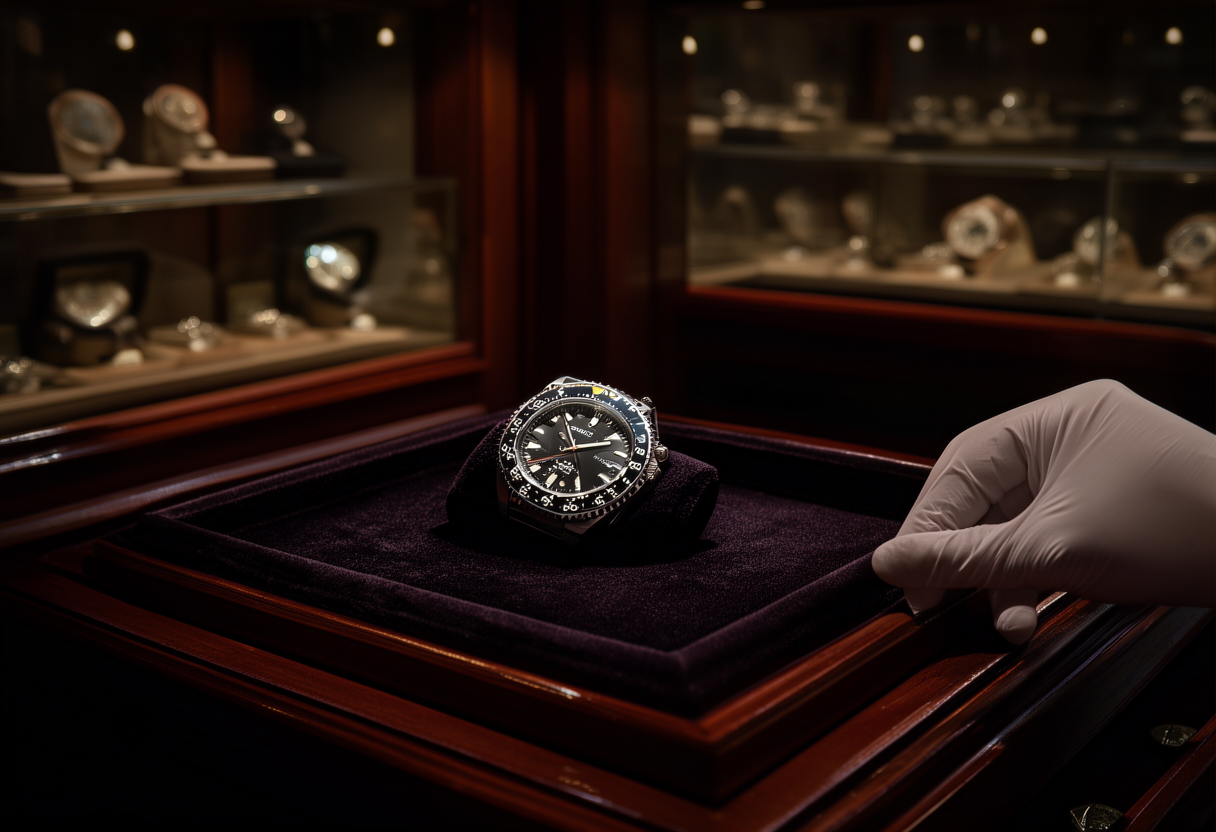
Authenticating a vintage watch requires careful examination of several key elements. Firstly, check the movement type and its markings. Original movements often have specific serial numbers or hallmarks that can be verified against historical records. The case back, dial, and hands should also display consistent wear patterns and appropriate markings for the watch’s age and model. For instance, a genuine Rolex Submariner from the 1950s will have specific case back engravings and dial features that differ from later models.
Provenance is another crucial factor. A well-documented history, including original paperwork, service records, or previous ownership, can significantly enhance a watch’s authenticity and value. Reputable dealers and auction houses often provide certificates of authenticity, which can be invaluable for verifying a watch’s background. Additionally, consulting with experts or using specialized authentication services can provide peace of mind. Websites like the International Watch & Clock Association offer resources and expert opinions to help collectors authenticate their purchases.
In plain terms: Think of authenticating a vintage watch like solving a puzzle. Each piece of information, from the movement to the case back, fits together to form a complete picture of the watch’s history and authenticity. Missing or inconsistent pieces can indicate potential issues.
What factors influence the value of a vintage watch?
The value of a vintage watch is influenced by several key factors, including brand reputation, rarity, and condition. Watches from renowned brands like Rolex, Omega, and Patek Philippe tend to hold their value better due to their established histories and desirability among collectors. Rarity plays a significant role; limited production runs or discontinued models can command higher prices. For example, the Patek Philippe reference 1518 is highly valued due to its limited production and historical significance.
Condition is another critical factor. A watch in excellent condition, with minimal wear and original parts, will typically command a higher price than one that has been heavily restored or modified. The movement type also affects value; mechanical movements are often more sought after than quartz movements. Additionally, the presence of original accessories, such as boxes and papers, can enhance a watch’s value. Provenance, or the watch’s history, can also impact its worth. A watch with a well-documented history, including celebrity ownership or notable events, can be more valuable.
To better understand how these factors interplay, consider the following table:
How do I care for and maintain a vintage watch?
Proper care and maintenance are essential for preserving the value and functionality of a vintage watch. Regular servicing by a qualified watchmaker is crucial. Mechanical watches should be serviced every 5-7 years to ensure optimal performance and prevent long-term damage. During servicing, the movement, case, and dial should be thoroughly cleaned and inspected for wear or damage. For watches with leather straps, regular cleaning and conditioning can extend the strap’s lifespan and prevent cracking.
Storing your vintage watch properly is also important. Keep it in a dry, stable environment away from direct sunlight and extreme temperatures. A watch winder can be useful for automatic watches to keep them running when not in use. Avoid exposing your watch to magnetic fields, which can affect its accuracy. Additionally, regular wear can help maintain the watch’s functionality and prevent parts from seizing up due to lack of use. Always remove your watch before swimming or engaging in activities that may cause physical damage.
Here are some steps to follow for maintaining your vintage watch:
- Schedule regular servicing every 5-7 years.
- Store your watch in a dry, stable environment.
- Use a watch winder for automatic watches.
- Avoid exposing your watch to magnetic fields.
- Clean and condition leather straps regularly.
- Remove your watch before swimming or engaging in physical activities.
- Inspect your watch regularly for signs of wear or damage.
Where can I buy vintage watches?
There are several avenues for purchasing vintage watches, each with its own advantages and considerations. Reputable online marketplaces like eBay, Chrono24, and WatchRecon offer a wide range of vintage watches from various sellers. These platforms often provide buyer protection and authentication services, making them a convenient option for collectors. However, it’s essential to verify the seller’s reputation and request detailed photos and documentation before making a purchase.
Auction houses, such as Sotheby’s and Christie’s, are another popular option for buying vintage watches. These houses often feature rare and high-value timepieces, and their expertise in authentication and valuation can provide peace of mind. However, auction purchases can be competitive and may come with higher fees. Local watch dealers and boutique shops also offer a personalized shopping experience, with the added benefit of in-person inspections and expert advice. For a more hands-on approach, watch fairs and exhibitions provide opportunities to browse and purchase from multiple sellers in one location.
Consider the following table for a comparison of different purchasing avenues:
What are some common mistakes to avoid in vintage watch collecting?
One common mistake in vintage watch collecting is overpaying for a watch due to lack of research. It’s essential to educate yourself about the market value, rarity, and condition of the watch you’re interested in. Consulting price guides, attending watch fairs, and joining online forums can provide valuable insights. Another mistake is ignoring the importance of provenance. A watch with a well-documented history can be more valuable and desirable than one without. Always request detailed documentation and ask about the watch’s history before making a purchase.
Additionally, avoid buying watches that have been heavily restored or modified. While restoration can enhance a watch’s appearance, it can also diminish its value and authenticity. Look for watches with original parts and minimal restoration. Lastly, be cautious of counterfeit watches. The market for fake vintage watches is significant, and even experienced collectors can be fooled. Always authenticate a watch before purchasing and consider using specialized authentication services. For more tips on avoiding common mistakes, refer to How to Collect Vintage Watches for Beginners.
Expand your vintage collecting interests by exploring other historical items. For instance, vintage cameras offer a rich history and unique craftsmanship, as discussed in A Beginner’s Guide to Collecting Vintage Cameras and Essential Vintage Camera Collecting Tips. Similarly, vintage knives, bicycles, and guitars each have their own fascinating stories and collecting communities, as detailed in The History and Value of Vintage Knife Collecting, Restoring and Collecting Vintage Bicycles, and What to Look for in Vintage Guitar Collecting. Diversifying your collection can enhance your appreciation for vintage items and provide a broader perspective on historical craftsmanship.
Start your vintage watch collecting journey by focusing on one or two iconic models that resonate with you. Research their history, condition, and market value, and seek out reputable sellers or auction houses. Always authenticate your purchases and maintain your watches properly to preserve their value and functionality. Happy collecting!
Frequently asked questions
What makes a vintage watch valuable?
Value in vintage watches stems from rarity, brand reputation, and condition. For example, a Rolex Submariner from the 1960s is highly sought after due to its historical significance and limited production. Key factors include originality, functionality, and market demand.
How can I authenticate a vintage watch?
Authenticating a vintage watch requires examining serial numbers, movement details, and documentation. Reputable dealers use specialized tools and databases. For instance, Omega's archives can verify a watch's production details. Always seek expert appraisal to avoid fakes.
What are the most collectible vintage watch brands?
Iconic brands like Rolex, Omega, and Patek Philippe top the list. Rolex's Daytona and Submariner models are particularly popular. Omega's Speedmaster, known as the "Moonwatch," also holds significant value due to its association with NASA's missions.
How should I care for a vintage watch?
Proper care includes regular servicing by a specialist in vintage watches. Avoid exposure to extreme temperatures and moisture. Store it in a dry place. For example, a Rolex should be serviced every 5-7 years to maintain accuracy and functionality.