
Editorial Team · on 15 June 2026 · 9 min read · Last reviewed 15 June 2026
Vintage collecting is the hobby of acquiring and preserving historical items, with vintage knives being a popular category due to their craftsmanship and cultural significance.
Key facts
- Vintage knives date back to the early 20th century, with some rare models fetching thousands of dollars.
- The most sought-after vintage knives include pocket knives, hunting knives, and military-issued blades.
- Condition, rarity, and historical provenance significantly influence the value of a vintage knife.
- Popular brands among collectors include Case, Camden, and Schrade.
What makes a knife a vintage knife?
A vintage knife is generally defined as a blade that is at least 30 years old, though many collectors consider knives from the early to mid-20th century as the most desirable. These knives often feature traditional designs, high-quality materials, and craftsmanship that is hard to find in modern production. The age of a knife is not the only factor that determines its vintage status; its historical context and usage also play significant roles.
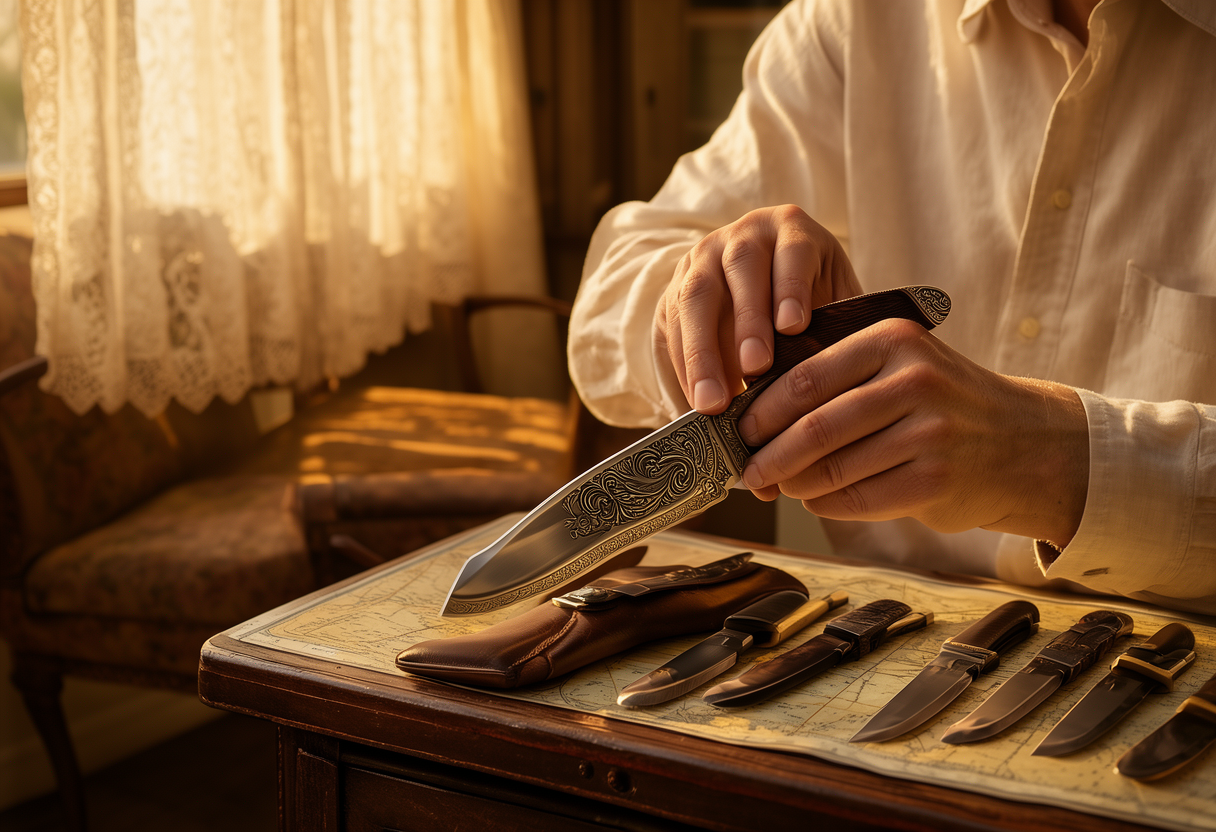
For example, a pocket knife made in the 1920s by a well-known manufacturer like Case could be considered vintage. Similarly, a military-issued knife from World War II would also fall under the vintage category due to its historical significance. The materials used in vintage knives, such as carbon steel and exotic woods, further enhance their collectibility. Collectors often seek out knives with unique features, such as intricate engravings or rare blade shapes, which add to their charm and value.
The condition of a vintage knife is crucial. While some collectors prefer knives that show signs of use, others seek pristine examples. The patina on the blade, the condition of the handle, and the sharpness of the edge are all important factors. A well-maintained vintage knife can be a valuable addition to any collection, but it requires careful handling and storage to preserve its condition.
How do you determine the value of a vintage knife?
Determining the value of a vintage knife involves several factors, including rarity, condition, and historical significance. Rare models, especially those with limited production runs, tend to command higher prices. The condition of the knife is also a critical factor; a knife in excellent condition with minimal wear and tear will be more valuable than one that shows significant signs of use. Historical significance, such as a knife used by a notable figure or issued during a significant historical event, can also enhance its value.
Research is key to understanding the value of a vintage knife. Collectors often refer to price guides, auction results, and expert appraisals to get a sense of a knife’s worth. Online forums and collector groups can also provide valuable insights. For example, a rare Case XX pocket knife from the 1930s might sell for several hundred dollars, while a common model from the same era might only fetch a few dozen dollars. The brand and model of the knife also play a role; well-known brands like Schrade and Camden tend to hold their value better than lesser-known manufacturers.
Provenance, or the history of ownership, can significantly impact the value of a vintage knife. A knife with a well-documented history, such as one that belonged to a famous person or was used in a significant event, can command a premium price. Collectors should always keep detailed records of their purchases, including receipts, certificates of authenticity, and any relevant historical documents. This information can be crucial when it comes time to sell or insure the knife.
What are the most collectible vintage knives?
Some vintage knives are particularly sought after by collectors due to their rarity, historical significance, and craftsmanship. Pocket knives from the early 20th century, particularly those made by well-known manufacturers like Case and Camden, are highly collectible. Hunting knives from the mid-20th century, especially those made by companies like Schrade and Buck, are also popular. Military-issued knives, such as those used during World War II, are highly prized for their historical value.
For example, the Case XX pocket knife is one of the most collectible vintage knives. Models from the early 20th century, particularly those with unique blade patterns or rare handle materials, can fetch high prices at auction. The Camden Balsam pocket knife, known for its high-quality craftsmanship and beautiful designs, is another favorite among collectors. Hunting knives from the 1950s and 1960s, such as the Schrade Old Timer, are also highly sought after for their durability and classic designs.
Military-issued knives, such as the U.S. Marines Mark I Trench Knife from World War I or the M3 Trench Knife from World War II, are particularly valuable due to their historical significance. These knives were designed for combat and often feature distinctive designs and markings that make them easily identifiable. Collectors should be aware that reproduction knives are common, so it is important to verify the authenticity of any military-issued knife before making a purchase.
How do you care for and maintain vintage knives?
Proper care and maintenance are essential for preserving the value and condition of vintage knives. Cleaning should be done carefully to avoid damaging the blade or handle. A soft cloth and mild soap and water are usually sufficient for cleaning the blade. Avoid using harsh chemicals or abrasive materials, as these can scratch or corrode the metal. For wooden handles, a small amount of mineral oil can help maintain the wood and prevent it from drying out.
Storage is another important aspect of caring for vintage knives. Knives should be stored in a dry, temperature-controlled environment to prevent rust and other forms of damage. A dedicated knife box or display case can protect the knife from dust, moisture, and physical damage. It is also a good idea to keep knives away from direct sunlight, as prolonged exposure can cause the handle materials to fade or degrade. Regularly inspecting the knife for signs of wear or damage can help catch potential issues early and prevent further deterioration.
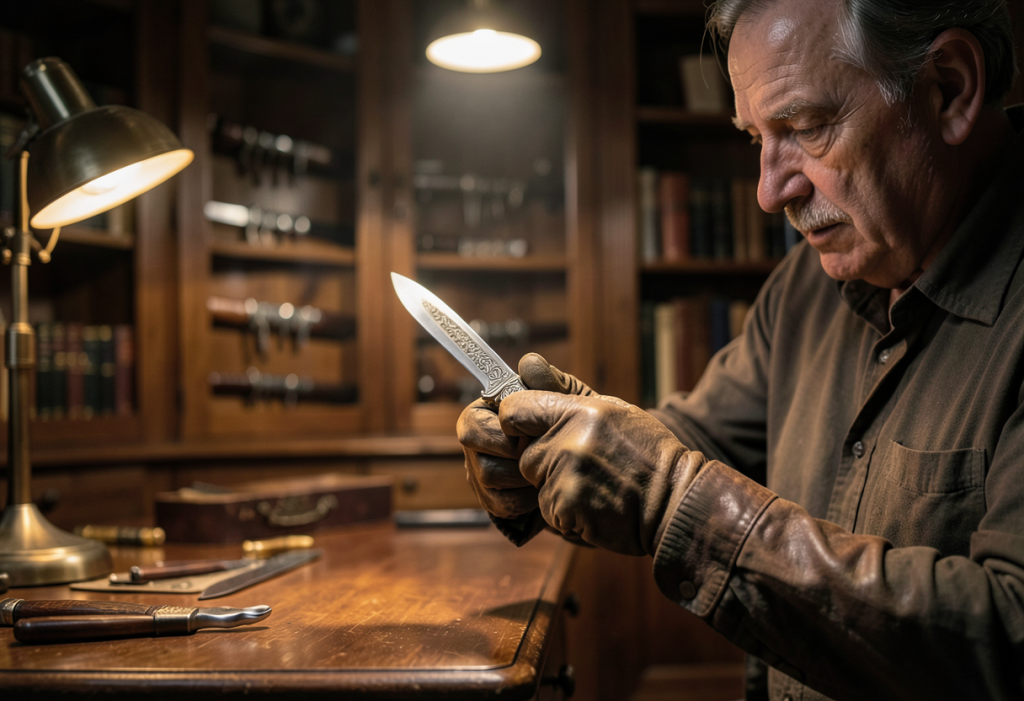
Handling vintage knives requires care to avoid accidental damage. Always hold the knife by the handle and avoid touching the blade with bare hands, as the oils from your skin can cause the metal to tarnish. When displaying a vintage knife, use a secure mount or stand to prevent it from falling or being knocked over. If the knife has a sheath or pouch, store it in the sheath to protect the blade and handle from scratches and impacts. By taking these precautions, collectors can ensure that their vintage knives remain in excellent condition for years to come.
Think of vintage knives like fine wine. Just as wine needs to be stored properly to maintain its quality, vintage knives require careful handling and storage to preserve their value and condition. Proper cleaning, storage, and handling are essential to keeping these historical treasures in top shape.
What are the best places to buy vintage knives?
Finding the right place to buy vintage knives is crucial for ensuring authenticity and value. Reputable auction houses, such as Sotheby’s or Heritage Auctions, often feature high-quality vintage knives and provide detailed descriptions and provenance information. Online marketplaces like eBay and Etsy can also be good sources, but buyers should be cautious and verify the seller’s reputation and the knife’s authenticity before making a purchase.
Specialty knife shops and collector shows are excellent places to find vintage knives. These venues often attract knowledgeable sellers and collectors who can provide valuable insights and recommendations. Local antique stores and flea markets can also be good sources, though it may require more effort to find rare or high-quality knives. When shopping at these locations, always inspect the knife carefully and ask the seller about its history and condition.
Joining collector groups and forums can provide access to a network of experienced collectors who can offer advice and even sell knives directly. Online communities, such as those on Reddit or specialized knife forums, can be valuable resources for finding vintage knives and connecting with other enthusiasts. Always be wary of deals that seem too good to be true, as they often are. Investing time in research and building relationships with trusted sellers can help ensure a successful and enjoyable collecting experience.
How do you authenticate a vintage knife?
Authenticating a vintage knife is essential to ensure its value and historical significance. One of the first steps is to research the knife’s brand and model. Look for distinctive markings, such as logos, serial numbers, or manufacturer stamps, which can help verify its authenticity. Consulting price guides, auction catalogs, and expert opinions can provide valuable insights into the knife’s history and characteristics.
Physical examination is another crucial aspect of authentication. Check for signs of wear and tear that are consistent with the knife’s age. Authentic vintage knives often show signs of use, such as patina on the blade or wear on the handle. Be wary of knives that appear too pristine, as they may be reproductions. Examining the craftsmanship and materials can also provide clues; authentic vintage knives often feature high-quality materials and precise construction.
When in doubt, seek the opinion of an expert. Professional appraisers, collectors, and historians can provide valuable insights and help verify the authenticity of a vintage knife. Auction houses and specialty shops often have experts on staff who can offer appraisals and certifications. Joining collector groups and forums can also provide access to a network of knowledgeable individuals who can offer advice and assistance. Always be cautious when purchasing a vintage knife, and take the time to verify its authenticity before making a commitment.
Steps to start your vintage knife collection
- Research: Educate yourself on the history, brands, and types of vintage knives. Understand what makes a knife valuable and what to look for in a collectible piece.
- Set a Budget: Determine how much you are willing to spend on your collection. Vintage knives can range in price from a few dollars to thousands, so it is important to set realistic expectations.
- Find Reputable Sources: Identify trusted sellers and auction houses where you can purchase authentic vintage knives. Join collector groups and forums to connect with experienced enthusiasts.
- Inspect and Authenticate: Carefully examine any potential purchases for signs of authenticity and quality. Seek expert opinions if needed to ensure the knife’s value and historical significance.
- Care and Maintain: Properly care for and maintain your vintage knives to preserve their condition and value. Store them in a dry, temperature-controlled environment and handle them with care.
- Enjoy and Share: Take pleasure in your collection and share your passion with others. Attend collector shows, join online communities, and engage with fellow enthusiasts to enhance your collecting experience.
Building a vintage knife collection can be a rewarding and enjoyable hobby. By following these steps and taking the time to research, authenticate, and care for your knives, you can create a valuable and meaningful collection that reflects your passion for history and craftsmanship. Whether you are a seasoned collector or just starting out, the world of vintage knives offers endless opportunities for discovery and enjoyment.
Frequently asked questions
What makes vintage knives valuable to collectors?
Vintage knives gain value from rarity, craftsmanship, and historical significance. For instance, pre-1940s American pocket knives often appreciate due to their limited production and superior steel quality. Brands like Case and Schrade from this era are particularly sought after for their durable designs and cultural impact.
How can I determine the authenticity of a vintage knife?
Authentic vintage knives typically bear distinct markings such as manufacturer logos, patent dates, or unique blade patterns. Researching brand-specific features and consulting expert guides or appraisers can help verify authenticity. Avoid knives with suspicious alterations or modernized parts, as these significantly reduce value.
What are some common pitfalls to avoid when starting a vintage knife collection?
New collectors often overpay for replicas or poorly preserved knives. Always inspect for signs of restoration, such as sharpened blades or repainted handles. Additionally, avoid focusing solely on well-known brands; lesser-known but well-crafted knives can offer better investment potential.
Where are the best places to find vintage knives for sale?
Specialized antique shops, estate sales, and reputable online marketplaces like eBay or specialized knife forums are ideal for sourcing vintage knives. Attend knife shows or auctions to access a wider selection and network with experienced collectors. Always verify seller credibility to ensure genuine transactions.