
Editorial Team · on 15 June 2026 · 8 min read · Last reviewed 15 June 2026
Vintage collecting is the pursuit, preservation, and study of historical items, such as bicycles, watches, cameras, and more, with a focus on their craftsmanship, rarity, and cultural significance.
Key facts
- Vintage bicycles from the late 19th and early 20th centuries are highly sought after for their historical value and craftsmanship.
- The market for vintage bicycles has seen a steady increase, with prices ranging from a few hundred to tens of thousands of dollars.
- Restoring vintage bicycles requires knowledge of historical designs, materials, and techniques.
- Popular brands among collectors include Peugeot, Raleigh, and Schwinn, with models like the Peugeot PX-10, Raleigh Superbe, and Schwinn Paramount being particularly valuable.
What defines a bicycle as vintage?
A bicycle is considered vintage if it was manufactured at least 20-30 years ago and retains much of its original design and components. For many collectors, the most desirable vintage bicycles hail from the late 19th century to the mid-20th century, a period marked by significant innovations in bicycle design. Key features that define a vintage bicycle include its frame material (such as steel or chrome-moly), braking system (like caliper or coaster brakes), and gearing mechanism (including derailleurs or internal hub gears). Additionally, the aesthetic appeal of vintage bicycles, including their paint schemes, logos, and overall style, plays a crucial role in their collectibility.
Some of the most iconic vintage bicycles include models like the 1885 Rover Safety Bicycle, which introduced the modern bicycle design, and the 1933 Schwinn Excelsior, known for its streamlined Art Deco styling. These bicycles are not only prized for their historical significance but also for their craftsmanship and design innovation. Collectors often seek out bicycles that have been well-preserved or have undergone expert restoration to maintain their original features and functionality.
What should beginners know before collecting vintage bicycles?
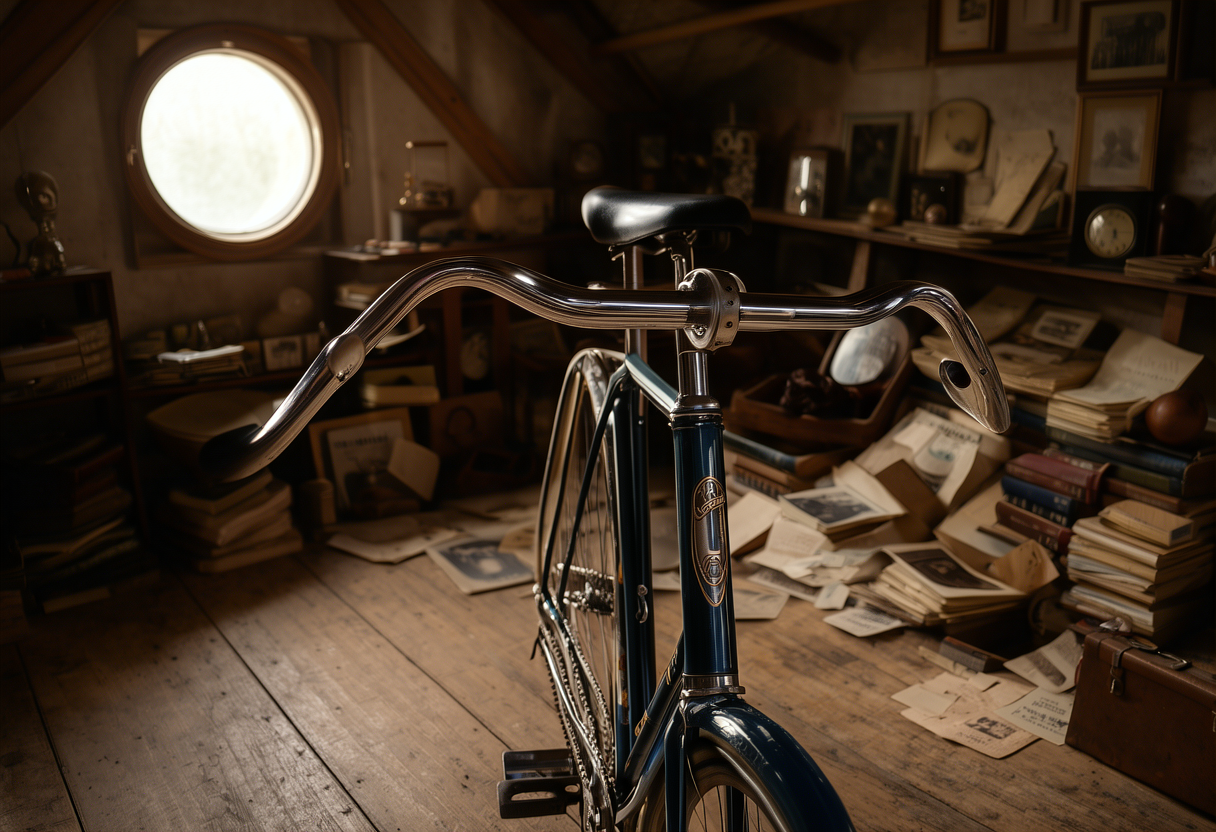
Beginners should start by educating themselves about the history of bicycle design and the key features that make a bicycle vintage. Understanding the different eras of bicycle manufacturing, such as the penny-farthing era, the safety bicycle era, and the roadster era, can help collectors identify and appreciate the unique characteristics of each period. Additionally, beginners should familiarize themselves with the common materials and components used in vintage bicycles, such as steel frames, leather saddles, and steel rims.
It’s also important for beginners to set a budget and determine their collecting goals. Vintage bicycles can range in price from a few hundred dollars for a basic model to tens of thousands of dollars for a rare or historically significant example. Beginners should decide whether they are collecting for personal enjoyment, investment, or both, and set realistic expectations for their budget and the types of bicycles they hope to acquire. Joining online forums, attending swap meets, and consulting with experienced collectors can provide valuable insights and guidance for beginners.
How can one identify a genuine vintage bicycle?
Identifying a genuine vintage bicycle requires a keen eye for detail and knowledge of historical design elements. One of the first steps is to examine the bicycle’s frame for distinctive features such as lugwork, which refers to the decorative metal fittings that join the frame tubes. Lugwork designs can often be traced back to specific manufacturers and time periods. Additionally, inspecting the bicycle’s serial numbers, which are typically stamped on the frame, can help determine its age and origin.
Other key indicators of a genuine vintage bicycle include the type of brakes, gears, and wheels used. For example, older bicycles often feature caliper brakes or coaster brakes, while more modern designs may incorporate disc brakes or advanced derailleur systems. The presence of original components, such as leather grips, period-correct tires, and vintage-style pedals, can also signal authenticity. Consulting reference books, online databases, and experienced collectors can provide further assistance in verifying the authenticity of a vintage bicycle.
Think of collecting vintage bicycles like assembling a puzzle where each piece has a story. Just as each puzzle piece has a unique shape and color, every vintage bicycle has distinct features and history that tell a tale of its time. By carefully examining the details and understanding the context, you can piece together the story of each bicycle and appreciate its place in history.
What are the most valuable vintage bicycles?
The most valuable vintage bicycles are often those that are rare, historically significant, or associated with famous riders. For example, the 1818 Draisine, considered the first two-wheeled, human-propelled vehicle, is highly prized among collectors. Another notable example is the 1895 Rover Safety Bicycle, which introduced the modern bicycle design and is sought after for its historical importance. Additionally, bicycles ridden by famous cyclists, such as those used by Eddy Merckx or Bernard Hinault in major races, can command extremely high prices at auction.
Other valuable vintage bicycles include models from renowned manufacturers like Peugeot, Raleigh, and Schwinn. The Peugeot PX-10, known for its lightweight frame and competitive performance, is a favorite among collectors. Similarly, the Raleigh Superbe, with its classic design and high-quality craftsmanship, is highly sought after. The Schwinn Paramount, particularly models from the 1930s and 1940s, is also considered a prized possession due to its innovative features and durability.
How does one restore a vintage bicycle?
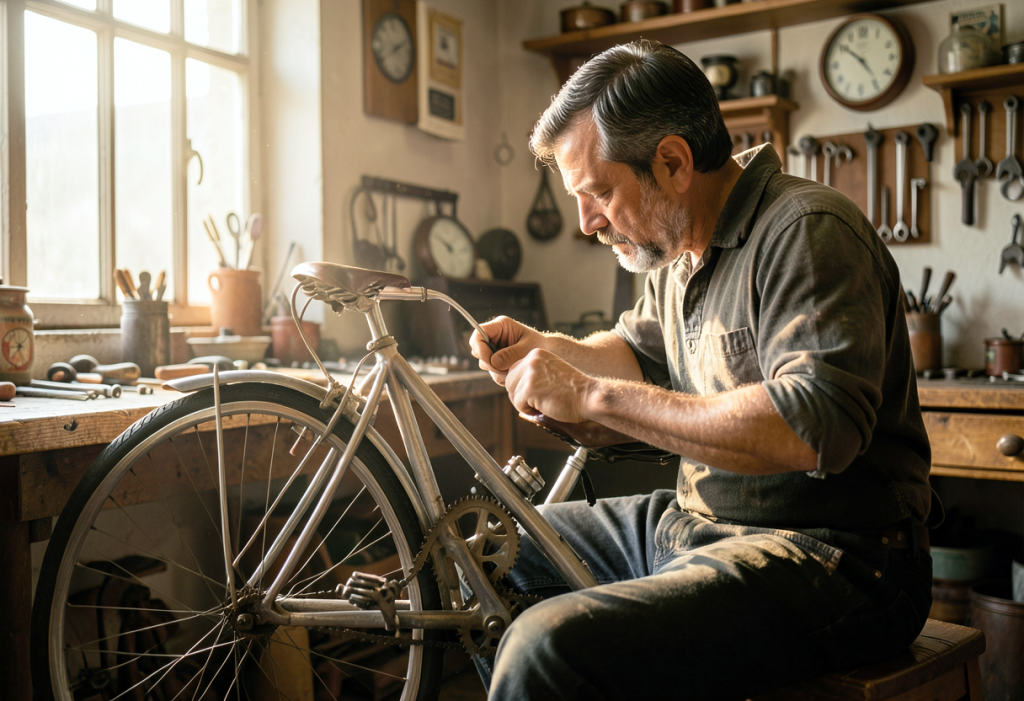
Restoring a vintage bicycle involves a combination of research, skill, and patience. The first step is to assess the bicycle’s condition and identify any missing or damaged components. This may require consulting reference materials or seeking advice from experienced restorers. Once the necessary parts are identified, collectors can source original or reproduction components to ensure authenticity and functionality. Common restoration tasks include repairing or replacing the frame, wheels, brakes, gears, and other mechanical parts.
Cleaning and refinishing the bicycle is another crucial aspect of restoration. This may involve stripping the old paint, repairing any rust or damage, and applying new paint or finishes that match the original design. Attention to detail is essential, as even small discrepancies can affect the bicycle’s value and authenticity. Additionally, restoring the bicycle’s original decals, logos, and other aesthetic elements can enhance its overall appearance and historical accuracy.
Where can one find vintage bicycles for sale?
Vintage bicycles can be found in a variety of places, both online and offline. Online marketplaces like eBay, Etsy, and specialized vintage bicycle forums are popular destinations for buyers and sellers. These platforms often feature a wide range of bicycles, from common models to rare and valuable examples. Additionally, online auctions and classified ads can provide opportunities to find unique and historically significant bicycles.
Offline, vintage bicycle collectors can explore local antique shops, flea markets, and swap meets. These venues often have a mix of vintage items, including bicycles, and can be a great place to find hidden gems. Additionally, attending bicycle shows, races, and other events can provide opportunities to network with other collectors and learn about available bicycles. Joining vintage bicycle clubs or associations can also offer access to private sales and exclusive listings.
How can one care for and maintain a vintage bicycle?
Caring for and maintaining a vintage bicycle involves regular cleaning, lubrication, and inspection. Cleaning the bicycle with mild soap and water can help remove dirt and grime that can cause corrosion and wear. Lubricating the chain, gears, and other moving parts can ensure smooth operation and prevent premature wear. Additionally, inspecting the bicycle regularly for signs of damage, such as rust, cracks, or loose components, can help identify potential issues before they become major problems.
Storing the bicycle properly is also essential for its longevity. Keeping the bicycle in a dry, temperature-controlled environment can prevent rust and other forms of damage. Using a bicycle cover or storing the bicycle in a protective case can also help shield it from dust, dirt, and other environmental factors. Additionally, maintaining the bicycle’s tires at the proper pressure and ensuring that the brakes and gears are properly adjusted can enhance its performance and safety.
- Inspect the bicycle regularly for signs of damage or wear.
- Clean the bicycle with mild soap and water to remove dirt and grime.
- Lubricate the chain, gears, and other moving parts to ensure smooth operation.
- Store the bicycle in a dry, temperature-controlled environment to prevent rust and damage.
- Maintain proper tire pressure and adjust brakes and gears as needed.
- Consult with experienced collectors or professionals for guidance on complex repairs or restorations.
To start collecting vintage bicycles, focus on education, set a realistic budget, and build a network of experienced collectors and restorers. By following these steps, you can begin your journey into the fascinating world of vintage bicycle collecting.
Frequently asked questions
What tools are essential for vintage bicycle restoration?
Essential tools include a set of hex wrenches, screwdrivers, chain tools, spoke wrenches, and a good-quality bike stand. A set of cone wrenches is crucial for adjusting old hubs. Specialty tools like a crank puller and bottom bracket tap may also be needed depending on the bike’s condition. Basic lubricants and cleaning supplies are equally important.
How do I identify the age of a vintage bicycle?
Check the serial number on the frame, often stamped near the bottom bracket. Manufacturers like Schwinn and Raleigh used specific numbering systems. Look for distinctive features like lug work, brake styles, and gear systems, which can indicate the era. Researching manufacturer catalogs or online databases can help pinpoint the exact model and year.
What are common challenges in restoring vintage bicycles?
Rust and corrosion are frequent issues, especially in older steel frames. Finding replacement parts can be difficult for obscure models. Worn-out bearings, seized components, and outdated brake systems often require careful disassembly and cleaning. Original paint restoration is time-consuming and requires patience to avoid damaging the frame.
Where can I find vintage bicycle parts?
Online marketplaces like eBay and specialized vintage bike forums are good starting points. Local bike swaps and antique stores sometimes have hidden gems. Networking with other collectors or joining vintage bike clubs can provide leads on hard-to-find parts. Salvage yards and garage sales occasionally yield useful components.