
Editorial Team · on 15 June 2026 · 7 min read · Last reviewed 15 June 2026
Vintage collecting is the pursuit of acquiring and preserving older items, often for their historical value, craftsmanship, or nostalgic appeal.
Key facts
- Vintage marbles were commonly made from glass, clay, or agate before the mid-20th century.
- The most valuable vintage marbles can sell for hundreds or even thousands of dollars.
- Marbles were first played with as early as 500 B.C.
- Collectors often seek marbles from specific eras or manufacturers due to their unique characteristics.
What makes a marble vintage?
Marbles are considered vintage if they were manufactured before the 1960s. These marbles often feature handcrafted details and unique designs that differ from mass-produced modern marbles. Vintage marbles can be categorized by their material, such as glass, clay, or agate, and their manufacturing method, like hand-rolled or machine-made. The value of a vintage marble is typically determined by its age, rarity, condition, and the specific manufacturer.
The most sought-after vintage marbles include those made by the Akro Agate Company, which operated from 1915 to 1951, and the Marble King Company, founded in 1945. These companies produced marbles with distinctive patterns and colors, making them highly collectible. For instance, the Akro Agate Company’s “Opaque Latticinio” marble, featuring a white base with intricate black swirls, is a prized find among collectors.
How can I identify vintage marbles?
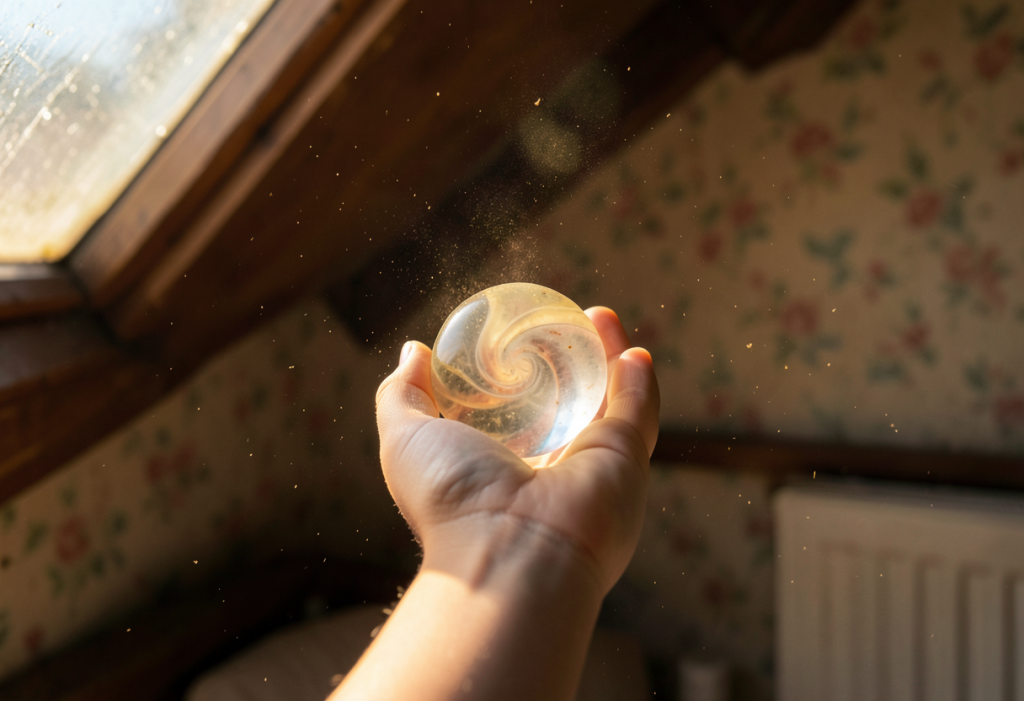
To identify vintage marbles, start by examining their material and construction. Vintage glass marbles often have imperfections, bubbles, or swirls due to their handcrafted nature. In contrast, modern marbles tend to be more uniform and flawless. Look for pontil marks, which are small rough spots where the marble was cut from the glass rod, as these are indicative of handmade marbles from the early 20th century.
Researching manufacturers’ marks can also help in identification. Some vintage marbles bear the initials or logos of their makers, such as “AKRO” for the Akro Agate Company or “M.K.” for Marble King. Additionally, familiarize yourself with the characteristic patterns and colors associated with different manufacturers. For example, the Christensen Agate Company was known for its “cat’s eyes,” marbles with a distinctive swirled pattern resembling a feline’s eye.
Consulting reference books, online databases, and collector forums can provide valuable insights into the history and characteristics of vintage marbles. Websites like Market Trends in Vintage Marble Collecting offer market trends and pricing information, while forums allow collectors to share knowledge and ask questions about specific marbles.
What are the most valuable vintage marbles?
The most valuable vintage marbles are often those produced by renowned manufacturers, featuring unique designs, or exhibiting exceptional craftsmanship. Among the most sought-after marbles are the Akro Agate Company’s “Opaque Latticinio” and “Opaque Banded,” as well as the Marble King Company’s “Translucent Banded” and “Opaque Swirl.” These marbles can fetch high prices at auctions and private sales, with some specimens selling for thousands of dollars.
Rarity also plays a significant role in determining a marble’s value. Marbles produced in limited quantities or as prototypes are highly coveted by collectors. For instance, the “End of the Day” (EOTD) marble, created by the Akro Agate Company at the end of each production day, is a rare and valuable find. These marbles feature a mix of leftover colors and patterns, making each one unique.
Identifying and collecting vintage marbles is like being a detective. You’ll need to examine clues like the marble’s material, manufacturer’s marks, and unique patterns to determine its age and value. Just as a detective pieces together evidence to solve a case, you’ll piece together information from reference books, online databases, and collector forums to uncover the history and worth of your finds.
How should I care for and store my vintage marble collection?
Proper care and storage are essential for preserving the condition and value of your vintage marble collection. Store marbles in a cool, dry place away from direct sunlight and extreme temperatures, as these can cause damage or discoloration. A dedicated display case or storage box with individual compartments can help protect marbles from scratches and breakage. Additionally, handle marbles with care, using gloves or a soft cloth to avoid leaving fingerprints or oils on their surfaces.
Regular cleaning is also important for maintaining your collection. Use a soft brush or cloth to gently remove dust and dirt from the marbles’ surfaces. For more stubborn grime, a mild soap and water solution can be used, but be sure to rinse and dry the marbles thoroughly to prevent water spots. Avoid using harsh chemicals or abrasive materials, as these can damage the marbles’ delicate surfaces.
How can I start collecting vintage marbles?
To start collecting vintage marbles, begin by educating yourself on the history, characteristics, and market trends of vintage marbles. Visit collector websites, forums, and Preserving and Collecting Vintage Toys to learn about the different types of marbles, their manufacturers, and their values. Attend marble shows, auctions, and flea markets to meet other collectors and gain hands-on experience in identifying and evaluating marbles.
Set a budget for your collection and prioritize quality over quantity. Focus on acquiring marbles that are in good condition and have a strong provenance. As your collection grows, consider specializing in a particular type of marble, such as those made by a specific manufacturer or featuring a unique design.
Networking with other collectors is also crucial for building a successful vintage marble collection. Join collector groups, both online and offline, to share knowledge, trade marbles, and stay up-to-date on market trends. By connecting with other enthusiasts, you can gain valuable insights into the world of vintage marble collecting and expand your collection with rare and unique finds.
What are the current market trends in vintage marble collecting?
To stay informed about current market trends in vintage marble collecting, visit Market Trends in Vintage Marble Collecting. This resource provides insights into the demand, pricing, and popular types of vintage marbles in the market. By understanding these trends, you can make informed decisions about acquiring and selling marbles, as well as identifying potential investment opportunities.
One notable trend in vintage marble collecting is the growing interest in rare and unique marbles from lesser-known manufacturers. As collectors become more knowledgeable about the history and characteristics of vintage marbles, they are increasingly seeking out marbles that are not commonly found in the market. This has led to a rise in the value and demand for marbles produced by smaller or less well-known companies, as well as those featuring unusual designs or patterns.
Another trend is the increasing use of online platforms for buying, selling, and trading vintage marbles. Websites like eBay, Etsy, and specialized collector forums have made it easier for collectors to connect with one another and access a wider range of marbles. Additionally, social media platforms like Instagram and Facebook have become popular venues for showcasing and discussing vintage marble collections, further fostering a sense of community among collectors.
How can I connect with other vintage marble collectors?
Connecting with other vintage marble collectors is essential for building a successful and enjoyable collection. Joining collector groups, both online and offline, allows you to share knowledge, trade marbles, and stay up-to-date on market trends. Attend marble shows, auctions, and flea markets to meet other enthusiasts and gain hands-on experience in identifying and evaluating marbles.
Online forums and social media groups are also valuable resources for connecting with other collectors. Websites like A Collector’s Guide to Vintage Baseball Cards and How to Build a Vintage Postcard Collection offer insights into other collectible markets, which can provide inspiration and ideas for expanding your vintage marble collection.
Building relationships with other collectors can lead to opportunities for collaboration, such as co-authoring articles or hosting joint exhibitions. By working together, you can share your expertise and passion for vintage marbles with a wider audience, fostering a sense of community and mutual appreciation for this fascinating hobby.
To start your vintage marble collection, focus on acquiring marbles that are in good condition and have a strong provenance. Educate yourself on the history, characteristics, and market trends of vintage marbles, and connect with other collectors to share knowledge and gain insights. By following these steps and staying informed about the latest trends and developments in the world of vintage marble collecting, you can build a valuable and enjoyable collection that reflects your unique interests and passions.
Frequently asked questions
How can I tell if a marble is vintage?
Vintage marbles often have distinct characteristics. Look for handmade imperfections, like uneven surfaces or color variations. Machine-made marbles from the early 20th century may have swirls or stripes. Check the size; vintage marbles are typically smaller than modern ones. Authentic vintage marbles also lack the bright, uniform colors of modern glass marbles.
Where are the best places to find vintage marbles?
Antique shops, flea markets, and estate sales are prime spots. Online marketplaces like eBay and Etsy also offer vintage marbles. Garage sales and local auctions can yield hidden gems. Marble collecting clubs and forums often share tips on where to find specific types. Always inspect marbles closely for authenticity before purchasing.
What should I look for in a high-quality vintage marble?
High-quality vintage marbles display craftsmanship. Handmade marbles often have a rough pontil mark where they were cut from the glass rod. Machine-made marbles should have crisp, clean patterns. Avoid marbles with chips or cracks. The glass should be clear and free of bubbles. Research specific types, like Akro Agates or Christy Marbles, to identify quality.
How do I care for my vintage marble collection?
Store marbles in a cool, dry place away from direct sunlight. Use a soft cloth to clean them, avoiding harsh chemicals. Keep them in individual compartments or padded containers to prevent scratches. Handle marbles gently to avoid damage. For display, use a glass case or shadow box to protect them from dust and handling.