
Editorial Team · on 15 June 2026 · 7 min read · Last reviewed 15 June 2026
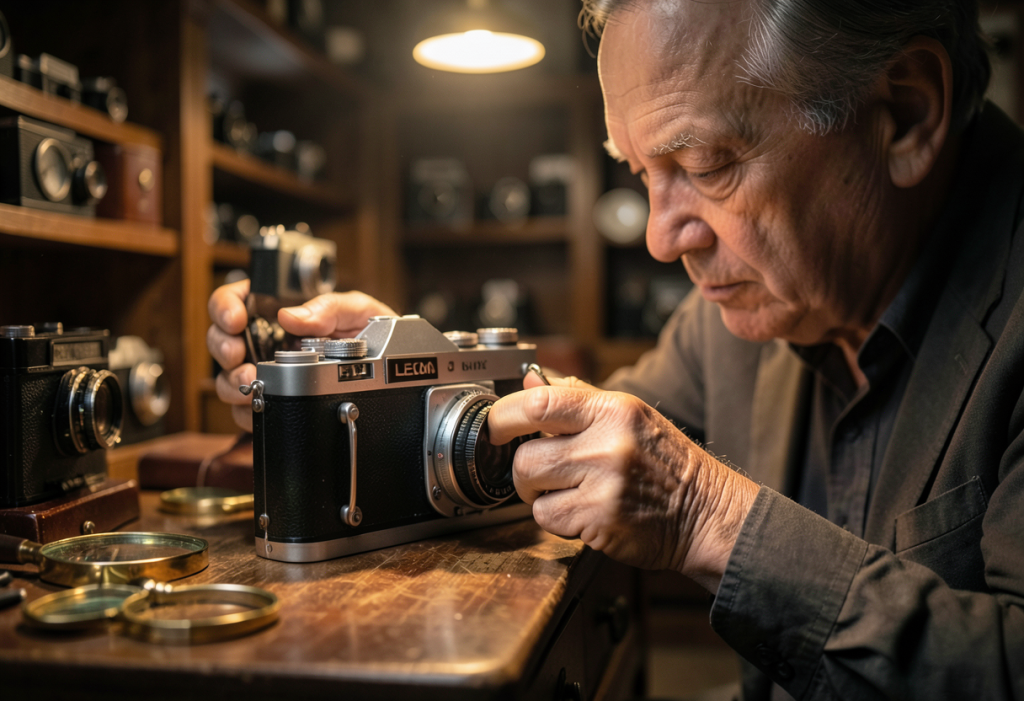
Vintage collecting is the pursuit of acquiring, preserving, and appreciating historical items, particularly cameras, which retain or develop value over time due to their rarity, craftsmanship, or cultural significance.
Key facts
- Vintage cameras are typically defined as those manufactured between the 1920s and 1980s.
- Popular vintage camera brands include Leica, Nikon, Canon, and Hasselblad.
- The value of a vintage camera can range from a few dollars to hundreds of thousands, depending on rarity and condition.
- Common vintage camera types include rangefinders, single-lens reflex (SLR), and twin-lens reflex (TLR) cameras.
How do I start collecting vintage cameras?
Begin by educating yourself on the history and evolution of camera technology. Familiarize yourself with key brands, models, and eras. Online resources, books, and forums dedicated to vintage cameras can provide invaluable insights. Set a budget and determine what types of cameras interest you most. Some collectors focus on specific brands or eras, while others prefer particular camera types. Understanding the market and trends is crucial, so spend time researching recent sales and prices to grasp what drives value in vintage cameras.
Once you have a basic understanding, start small. Look for affordable entry points to build your collection gradually. Local flea markets, estate sales, and online marketplaces like eBay or specialized vintage camera forums are great places to find deals. Join photography or collecting clubs to network with experienced collectors who can offer advice and even mentorship. Attend camera shows or auctions to see a variety of models in person and learn from experts.
What factors determine a vintage camera’s value?
The value of a vintage camera depends on several key factors. Rarity is a significant driver—limited production runs or discontinued models often command higher prices. The brand and model also play a role; iconic brands like Leica or rare models like the Hasselblad 500C can be highly sought after. Condition is another critical factor, with well-preserved or fully functional cameras typically worth more than those in need of repair. Original accessories, manuals, or documentation can also enhance value, as can historical significance or provenance.
Market demand and trends influence value as well. Certain eras or styles may become more popular over time, driving up prices. For instance, vintage rangefinder cameras from the mid-20th century have seen renewed interest due to their aesthetic appeal and mechanical simplicity. Additionally, the condition of the lens and the overall functionality of the camera can significantly impact its worth. A camera that works perfectly and has minimal signs of wear will generally be more valuable than one that requires extensive restoration.
How can I authenticate a vintage camera?
Authenticating a vintage camera involves verifying its age, brand, and condition. Start by researching the serial numbers, which can often be found on the camera body or lens. Many manufacturers have databases or charts that list production dates based on serial numbers. For example, Leica cameras can be dated using their serial number ranges. Look for consistent markings, such as logos, engravings, or patent numbers, which should match the era and model of the camera.
Examine the camera’s construction and materials for signs of authenticity. Older cameras often have distinct mechanical features, such as metal bodies or specific lens coatings, that differ from modern reproductions. Be cautious of mismatched parts or signs of heavy restoration, as these can indicate a replica or heavily modified camera. If in doubt, consult an expert or a reputable dealer who specializes in vintage cameras. Online forums and collector groups can also provide guidance, as experienced members may have encountered similar models.
What are some common mistakes to avoid when collecting vintage cameras?
One common mistake is overpaying for a camera without thorough research. Always compare prices across multiple platforms and understand the market value of the specific model. Another mistake is neglecting to inspect the camera’s condition carefully. Look for signs of wear, damage, or previous repairs that could affect its functionality or value. Ignoring the importance of original accessories or documentation can also be costly, as these elements can significantly increase a camera’s worth.
Avoid collecting without a clear focus or strategy. Without a defined direction, you may end up with a disjointed collection that lacks cohesion or long-term value. Additionally, be wary of counterfeit or replica cameras, which are becoming more common in the vintage market. Always buy from reputable sellers and ask for detailed photographs or videos of the camera to ensure authenticity. Lastly, neglecting proper storage and maintenance can lead to deterioration over time, so invest in appropriate cases and cleaning supplies to preserve your collection.
Think of vintage camera collecting like assembling a puzzle. Each piece—whether it’s the camera body, lens, or accessories—needs to fit together perfectly. Just as a missing or mismatched piece can ruin the puzzle, an inauthentic or poorly matched part can diminish the value and enjoyment of your vintage camera collection. Take your time, do your research, and always verify the authenticity of each piece before adding it to your collection.
What are the best places to buy vintage cameras?
Local flea markets, estate sales, and antique shops can be treasure troves for vintage cameras. These venues often offer unique finds at competitive prices, and you can inspect the cameras in person before purchasing. Online marketplaces like eBay, Etsy, and specialized vintage camera forums are also excellent resources. Websites dedicated to photography equipment, such as KEH Camera or Adorama, often have a curated selection of vintage cameras with detailed descriptions and condition reports.
Camera shows and auctions are another great option, providing opportunities to see a wide variety of models in one place. These events often attract knowledgeable sellers and collectors, making them ideal for networking and learning more about the hobby. Online auctions, such as those hosted by Sotheby’s or Christie’s, can feature rare and high-value cameras, but be prepared for competitive bidding and higher prices. Always research sellers and read reviews before making a purchase to ensure you’re dealing with a reputable source.
How should I care for and maintain my vintage cameras?
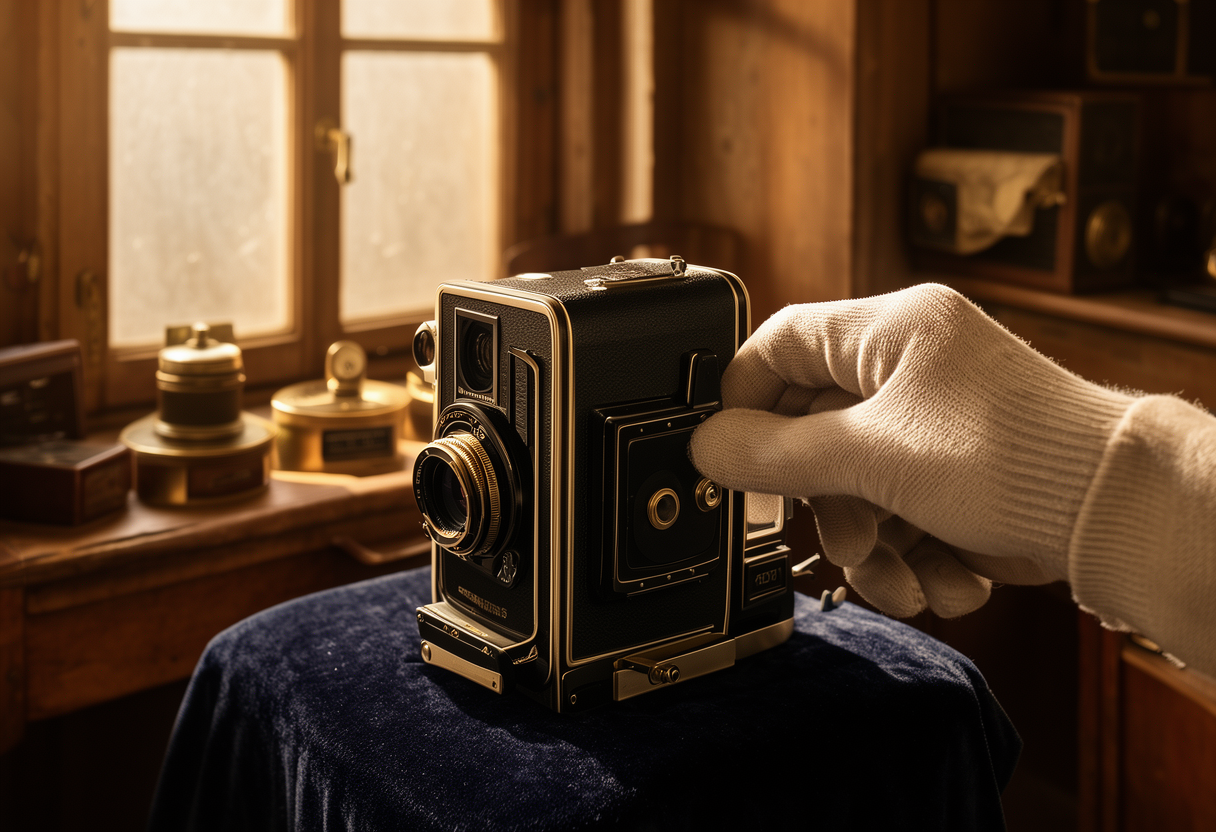
Proper care and maintenance are essential to preserving the value and functionality of your vintage cameras. Store them in a cool, dry place away from direct sunlight and humidity, which can cause damage over time. Use padded cases or original boxes to protect cameras from dust, scratches, and impacts. Regularly clean the camera body and lens using a soft, lint-free cloth and a mild cleaning solution specifically designed for photographic equipment. Avoid using harsh chemicals or abrasive materials that could scratch or damage the finish.
Check the camera’s mechanical components periodically to ensure they are functioning properly. Lubricate moving parts as needed, using products recommended for vintage cameras. If a camera requires repair, seek out a professional who specializes in vintage equipment. Attempting DIY repairs without the proper knowledge can lead to further damage. For non-functional cameras, consider consulting a restoration expert who can help bring the camera back to working order while preserving its original features.
For a deeper dive into collecting, explore our related guides on How to Collect Vintage Watches for Beginners“>vintage watch collecting and A Beginner’s Guide to Collecting Vintage Cameras“>beginner’s guide to collecting vintage cameras. Each offers unique insights tailored to different aspects of vintage collecting.
- Research and educate yourself on camera history, brands, and models.
- Set a budget and determine your collecting focus (e.g., specific brands, eras, or types).
- Start small by purchasing affordable entry-level cameras to build your collection gradually.
- Inspect cameras carefully for condition, authenticity, and original accessories.
- Join collector groups, attend shows, and network with experienced collectors for guidance.
- Store and maintain your cameras properly to preserve their value and functionality.
Begin your vintage camera collecting journey by focusing on education, authenticity, and careful maintenance. By following these steps, you’ll build a valuable and enjoyable collection that reflects your passion for photography history.
Frequently asked questions
What should I look for when buying a vintage camera?
Check the camera's condition. Look for signs of wear, rust, or damage. Ensure all parts are present and functional. Original manuals and accessories increase value. Research the model's reputation for reliability. Common sought-after brands include Leica, Nikon, and Canon.
How can I determine the value of a vintage camera?
Value depends on rarity, condition, and demand. Consult price guides or online marketplaces like eBay for comparable sales. Original lenses and accessories boost value. Limited edition models or those with historical significance often command higher prices. Professional appraisals can provide accurate valuations.
What are some common vintage camera repairs I should be aware of?
Common issues include light leaks, stuck shutters, and fogged viewfinders. Many vintage cameras require cleaning and lubrication. Shutter speeds may need calibration. Film advance mechanisms can wear out. Simple repairs can be done at home, but complex issues may require a professional camera technician.
How should I store and maintain my vintage camera collection?
Store cameras in a cool, dry place away from direct sunlight. Use silica gel packs to prevent moisture damage. Keep them in protective cases. Regularly clean the exterior and lens with a soft, dry cloth. Avoid using harsh chemicals. Periodically check for signs of deterioration or pest infestation.