
Editorial Team · on 15 June 2026 · 7 min read · Last reviewed 15 June 2026
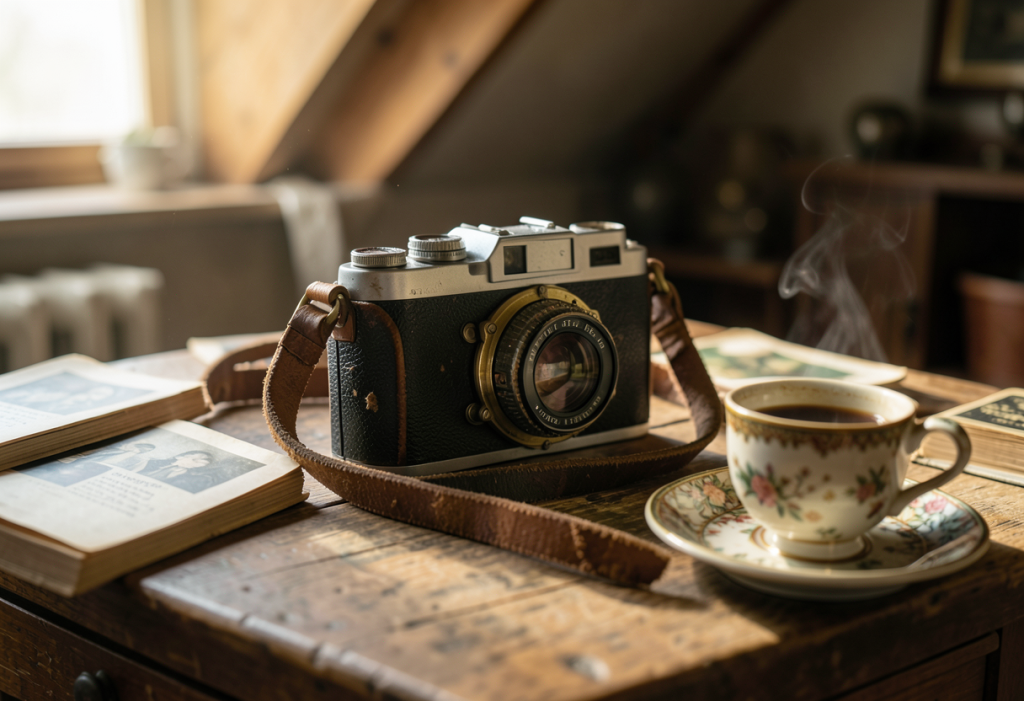
Vintage collecting involves the pursuit, acquisition, and preservation of historically significant or rare items from past eras, particularly focusing on cameras that are at least 20-30 years old.
Key facts
- Vintage cameras are typically produced between the 1920s and 1980s.
- Brands like Leica, Nikon, and Canon dominate the vintage camera market.
- A rare vintage camera can sell for thousands or even millions of dollars.
- Collectors value vintage cameras for their historical significance, craftsmanship, and aesthetic appeal.
Why do people collect vintage cameras?
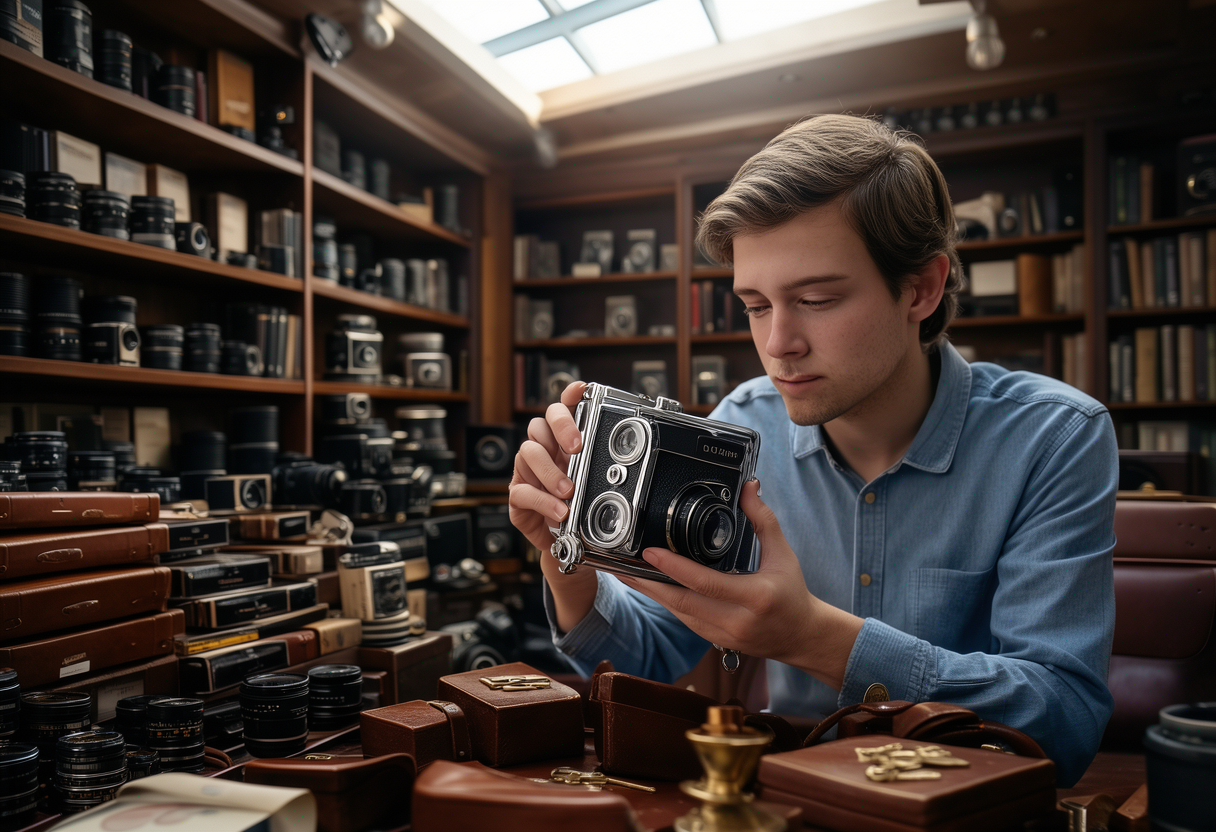
People collect vintage cameras for a variety of reasons, including historical interest, aesthetic appeal, and investment potential. Vintage cameras offer a tangible connection to photographic history, allowing collectors to appreciate the evolution of camera design and technology. Many collectors are drawn to the craftsmanship and unique features of vintage cameras, which often cannot be found in modern digital models.
For some, collecting vintage cameras is an investment strategy. Rare and well-preserved models can appreciate significantly in value over time. For example, a Leica 0-Series camera sold for $2.96 million in 2012, setting a record for the most expensive camera ever sold. The market for vintage cameras is driven by scarcity, demand, and the condition of the cameras.
Additionally, vintage camera collecting can be a hobby that combines technical knowledge with artistic appreciation. Collectors often enjoy the process of researching, restoring, and using these cameras. The tactile experience of using a vintage camera, with its mechanical controls and unique lens characteristics, can be highly rewarding for photography enthusiasts.
What are the most sought-after vintage camera brands?
The most sought-after vintage camera brands are those that have made significant contributions to the history of photography. Leica, for instance, is renowned for its high-quality lenses and compact designs, particularly the Leica M3 and Leica IIIf models. Nikon is another highly valued brand, with models like the Nikon F and Nikon SP being particularly popular among collectors.
Canon also has a rich history in vintage camera production, with iconic models such as the Canon 7 and Canonet QL17. These cameras are appreciated for their innovative features and durable construction. Other notable brands include Rolleiflex, known for its twin-lens reflex cameras, and Hasselblad, celebrated for its medium-format cameras used by professional photographers.
The value of a vintage camera is influenced by its brand, model, rarity, and condition. For example, a Leica M3 in excellent condition can fetch over $3,000, while a common Canon AE-1 in average condition might sell for around $100. Collectors often focus on specific brands or models that align with their interests and budget.
How do you determine the value of a vintage camera?
Determining the value of a vintage camera involves several factors, including rarity, condition, brand reputation, and market demand. Rare models, especially those with limited production runs, tend to command higher prices. The condition of the camera is crucial, with collectors paying premium prices for cameras that are in excellent working order and have minimal signs of wear.
Brand reputation plays a significant role in the value of a vintage camera. Established brands like Leica and Nikon have a strong following among collectors, which drives up the prices of their models. Market demand is another key factor, with certain models experiencing spikes in popularity due to trends or historical significance. For example, the Leica M6 has seen increased demand due to its association with renowned photographers.
To determine the value of a vintage camera, collectors often consult price guides, online marketplaces, and auction results. Websites like eBay, Christie’s, and Sotheby’s provide valuable insights into the current market trends and prices. Additionally, joining collector forums and attending camera shows can offer opportunities to network with experienced collectors and experts who can provide guidance on valuing vintage cameras.
What should beginners look for when starting a vintage camera collection?
Beginners should start by educating themselves about the history and different types of vintage cameras. Understanding the key features and innovations of various models can help beginners make informed decisions when starting their collection. It’s also important to set a budget and stick to it, as vintage cameras can range in price from a few dollars to millions.
When purchasing vintage cameras, beginners should prioritize condition and functionality. A camera that is in good working order and requires minimal repairs will be more enjoyable to use and potentially more valuable in the long run. It’s also advisable to buy from reputable sellers or dealers who specialize in vintage cameras. This can help ensure the authenticity and condition of the camera.
Beginners should also consider the type of photography they enjoy. Some vintage cameras are better suited for specific types of photography, such as landscape or portrait. Researching the strengths and weaknesses of different models can help beginners choose cameras that align with their photographic interests. Additionally, beginners should be patient and take their time to find the right pieces for their collection.
Collecting vintage cameras is like assembling a puzzle where each piece has a story. Just as you would carefully select puzzle pieces to create a complete picture, collectors choose cameras based on their historical significance, condition, and personal appeal. The process involves research, patience, and a keen eye for detail, much like solving a complex puzzle.
What are some common mistakes to avoid when collecting vintage cameras?
One common mistake beginners make is overlooking the importance of condition. A camera that appears visually appealing but has internal issues or requires extensive repairs can be a costly investment. It’s essential to thoroughly inspect or have a professional inspect the camera before purchasing. Another mistake is focusing solely on brand names without considering the model’s features and suitability for one’s needs.
Overpaying for a camera due to hype or trends is another pitfall to avoid. It’s important to research market prices and consult with experienced collectors to ensure a fair deal. Additionally, beginners should be cautious about purchasing cameras that have been heavily modified or restored, as these alterations can affect the camera’s value and authenticity. Always seek out original or well-documented pieces.
Lastly, neglecting to store and maintain vintage cameras properly can lead to deterioration. Vintage cameras should be kept in a dry, temperature-controlled environment, away from direct sunlight and humidity. Regular cleaning and occasional use can help keep the cameras in good working condition. By avoiding these common mistakes, beginners can build a valuable and enjoyable vintage camera collection.
- Educate yourself about vintage camera history and types.
- Set a budget and stick to it.
- Prioritize condition and functionality.
- Buy from reputable sellers or dealers.
- Consider your photographic interests.
- Be patient and take your time.
How can you care for and maintain vintage cameras?
Caring for and maintaining vintage cameras is essential to preserve their value and functionality. Regular cleaning is crucial, but it should be done carefully to avoid damaging delicate parts. Use a soft brush or compressed air to remove dust from the camera body and lens. For more thorough cleaning, use a microfiber cloth and specialized cleaning solutions designed for camera equipment.
Storing vintage cameras properly is also important. Keep them in a dry, cool place away from direct sunlight and humidity. Use protective cases or bags to prevent scratches and damage. If possible, store cameras in a climate-controlled environment to minimize the risk of corrosion and other environmental damage. Regularly check the camera’s seals and gaskets to ensure they are intact and functioning properly.
Using vintage cameras occasionally can help maintain their mechanical components. However, it’s important to use high-quality film and develop it properly to avoid damaging the camera. If a camera requires repairs, seek out a professional who specializes in vintage camera restoration. Attempting DIY repairs without the necessary knowledge and tools can result in further damage. By following these care and maintenance tips, collectors can ensure their vintage cameras remain in excellent condition for years to come.
For more tips on collecting vintage items, explore our guides on How to Collect Vintage Watches for Beginners and Essential Vintage Camera Collecting Tips. If you’re interested in other vintage collectibles, check out our articles on The History and Value of Vintage Knife Collecting, Restoring and Collecting Vintage Bicycles, and What to Look for in Vintage Guitar Collecting.
Start your vintage camera collection with a focus on quality, research, and passion. The journey of collecting vintage cameras is as rewarding as the collection itself.
Frequently asked questions
What should I look for when starting a vintage camera collection?
Start by identifying your interests. Focus on specific eras, brands, or types like rangefinders or SLRs. Research common models such as the Canon AE-1 or Nikon F. Check for functionality, lens quality, and overall condition. Avoid heavily damaged or non-working cameras unless you're prepared for restoration.
How can I determine the value of a vintage camera?
Value depends on rarity, condition, and demand. Consult price guides, online marketplaces, and auction results. For example, a mint-condition Leica M3 can fetch thousands, while common models like the Olympus OM-1 may be more affordable. Always compare similar models and conditions.
What are some common issues to watch for in vintage cameras?
Light leaks, fogged film doors, and sticky shutters are common problems. Check for fungus or haze on lenses. Ensure the viewfinder is clear and the rangefinder, if present, functions properly. Test the shutter speed and aperture to confirm they work accurately.
Where is the best place to buy vintage cameras?
Local camera shops, flea markets, and online platforms like eBay or specialized forums are good options. Attend camera shows or auctions for rare finds. Always inspect items thoroughly or request detailed photos and descriptions. Reputable sellers often provide guarantees or return policies.