
Editorial Team · on 15 June 2026 · 9 min read · Last reviewed 15 June 2026
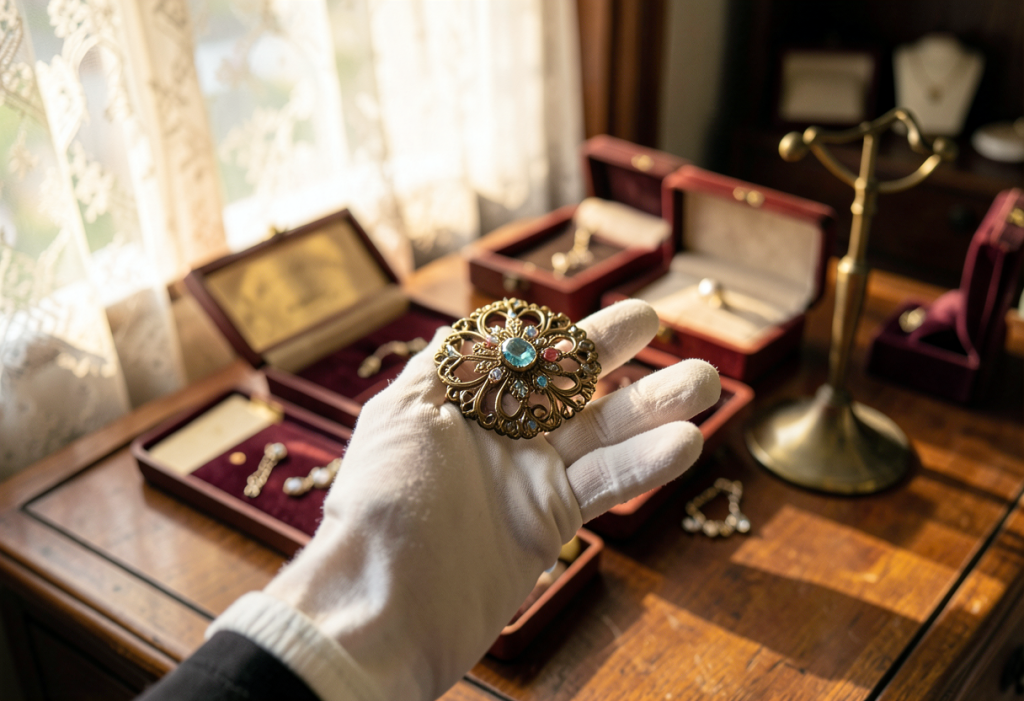
Vintage collecting is the practice of seeking, acquiring, and preserving vintage jewellery, typically pieces over 20 years old, for personal enjoyment or investment.
Key facts
- Vintage jewellery can be categorized into eras such as Art Deco (1920s-1930s), Retro (1939-1950), and Mid-Century Modern (1950-1970).
- Materials commonly found in vintage jewellery include sterling silver, gold, costume jewellery metals, and semi-precious stones.
- Authenticity is crucial in vintage jewellery collecting, with hallmarks, maker’s marks, and provenance playing significant roles in verification.
- The value of vintage jewellery can be influenced by factors such as rarity, condition, designer, and historical significance.
What defines vintage jewellery?
Vintage jewellery is generally defined as pieces that are at least 20 years old but not yet considered antique (which typically starts at 100 years). This distinction is important for collectors, as it helps to categorize and value items accurately. For instance, a brooch from the 1980s would be considered vintage, while a piece from the 1920s might be deemed antique. The age of the jewellery often correlates with its design, materials, and cultural significance, making it a fascinating area of study and collection.
The term “vintage” also implies a certain level of craftsmanship and style that reflects the trends and techniques of its time. For example, Art Deco jewellery from the 1920s and 1930s is known for its geometric designs and use of platinum and diamonds, while Retro jewellery from the 1940s often features bold, colorful designs with larger gemstones. Understanding these distinctions is crucial for collectors looking to build a cohesive and valuable collection. To learn more about different types of vintage jewellery, check out the The Complete Guide to Vintage Jewelry Collecting.
How do I start collecting vintage jewellery?
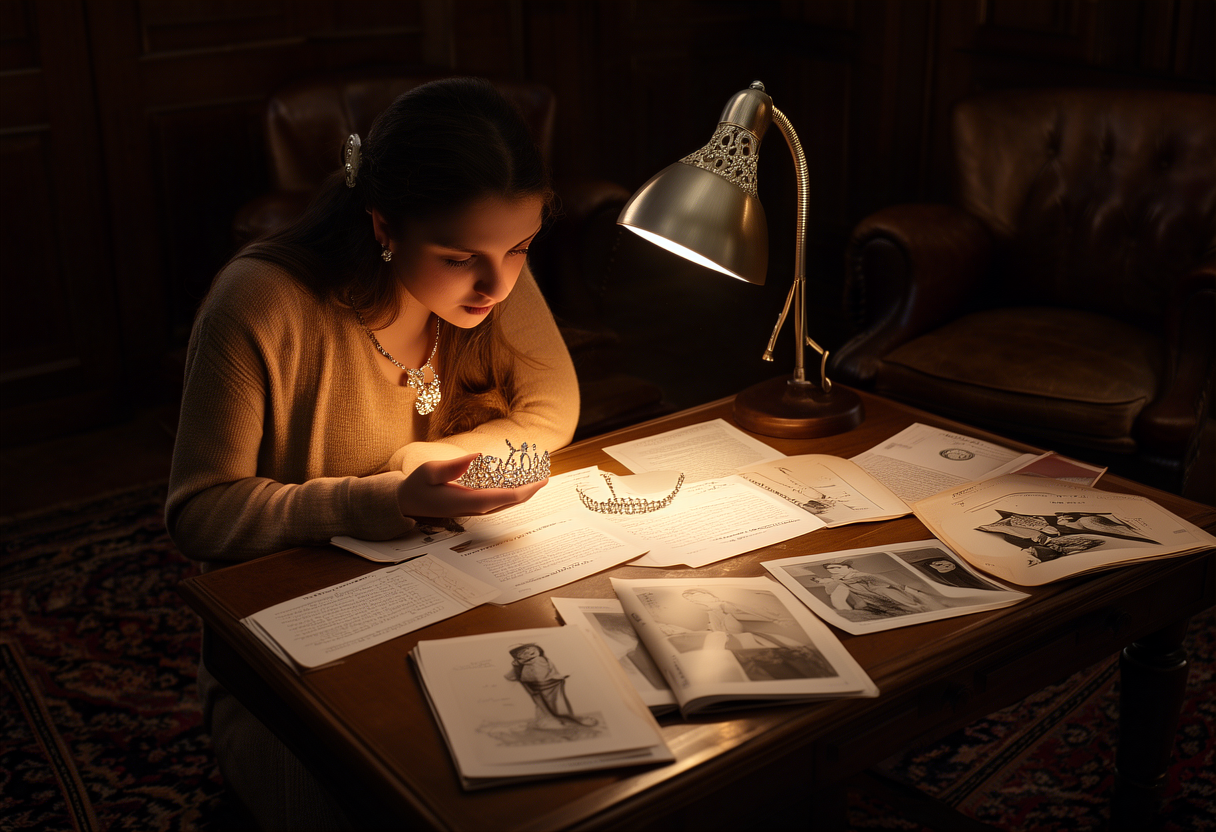
Begin by educating yourself on the different eras and styles of vintage jewellery. Familiarize yourself with the characteristics of each period, such as the use of specific materials, design motifs, and popular gemstones. For example, Victorian jewellery often features intricate designs with pearls and cameos, while Edwardian jewellery is known for its delicate, lace-like patterns. Reading books, attending workshops, and consulting online resources can provide a solid foundation for your knowledge. Additionally, visiting museums and exhibitions can offer firsthand experience with vintage pieces and their historical context.
Next, set a budget and focus on a specific type of jewellery that interests you. Whether it’s rings, necklaces, brooches, or earrings, having a clear focus can help you build a coherent collection. Start with affordable pieces to gain experience and confidence before investing in more expensive items. For instance, vintage brooches can be a great starting point due to their relative affordability and wide variety of designs. As you become more knowledgeable, you can gradually expand your collection to include rarer and more valuable pieces. The Essential Tips for Collecting Vintage Jewelry provides essential tips to help you get started on the right foot.
Where can I find vintage jewellery?
There are several places to find vintage jewellery, both online and offline. Antique shops, flea markets, and estate sales are traditional sources where you can find unique and often undiscovered pieces. These venues offer the opportunity to negotiate prices and interact directly with sellers, which can be beneficial for building relationships and gaining insights into the history of the items. Additionally, auction houses and specialized vintage jewellery dealers can provide access to high-quality, authenticated pieces with detailed provenance.
Online platforms have also become a popular and convenient way to find vintage jewellery. Websites like eBay, Etsy, and specialized vintage jewellery marketplaces offer a wide range of options from sellers around the world. However, buying online requires extra caution to ensure the authenticity and condition of the items. Always request detailed photographs, ask for certificates of authenticity, and familiarize yourself with the seller’s reputation. For those interested in specific types of vintage jewellery, such as brooches or compacts, the A Collector’s Guide to Vintage Brooches and Identifying and Collecting Vintage Compacts offer valuable guidance on where to find these items.
How do I authenticate vintage jewellery?
Authenticating vintage jewellery involves several steps to ensure the piece is genuine and accurately represents the era it claims to be from. Start by examining the hallmark or maker’s mark, which can provide information about the manufacturer, the metal content, and sometimes the date of production. For example, a piece marked “Sterling” indicates it is made of sterling silver, while a “925” mark also denotes sterling silver. Additionally, look for signs of wear and patina that are consistent with the age of the piece. Genuine vintage jewellery often shows signs of gentle wear that reflect its history.
Consulting with experts or using professional appraisal services can also help verify the authenticity of vintage jewellery. These services can provide detailed reports on the materials, craftsmanship, and historical significance of the piece. For instance, a gemologist can confirm the authenticity of gemstones and provide insights into their origin and value. Additionally, joining collector communities and forums can offer valuable advice and support in the authentication process. The The Art of Collecting Vintage Makeup and Where to Find and Collect Vintage Buttons articles provide further insights into the authentication process for related vintage items.
Authenticating vintage jewellery is like solving a puzzle. Each piece of information, from the hallmark to the wear and tear, is a clue that helps you determine if the piece is genuine. Just as a detective gathers evidence to solve a case, a collector gathers details to authenticate a vintage item.
What are the most valuable types of vintage jewellery?
The value of vintage jewellery can vary widely based on factors such as rarity, condition, designer, and historical significance. Some of the most valuable types of vintage jewellery include pieces from renowned designers and eras known for their unique craftsmanship. For example, Art Deco jewellery from the 1920s and 1930s is highly sought after for its geometric designs and use of precious metals and gemstones. Similarly, jewellery from the Edwardian era is prized for its delicate, lace-like patterns and intricate filigree work. These pieces often command high prices due to their historical significance and the skill involved in their creation.
Additionally, jewellery featuring rare or exotic gemstones can also be highly valuable. For instance, pieces with natural pearls, emeralds, rubies, or sapphires of exceptional quality and size can fetch significant sums. The rarity of these gemstones, combined with their beauty and historical context, makes them highly desirable among collectors. Understanding the factors that contribute to the value of vintage jewellery can help you make informed decisions when building your collection. The The Complete Guide to Vintage Jewelry Collecting provides a comprehensive overview of the most valuable types of vintage jewellery and the factors that influence their value.
How do I care for and maintain vintage jewellery?
Proper care and maintenance are essential for preserving the beauty and value of vintage jewellery. Regular cleaning is important to remove dirt and oils that can accumulate over time and dull the shine of the piece. However, it’s crucial to use gentle cleaning methods that do not damage the materials. For example, use a soft brush and mild soap and water to clean sterling silver and gold jewellery. Avoid using harsh chemicals or abrasive materials that can scratch or tarnish the surface. Additionally, store your vintage jewellery in a dry, cool place away from direct sunlight and humidity, which can cause damage over time.
When not in use, store each piece separately to prevent scratching and tangling. Use soft pouches or lined jewelry boxes to protect delicate items. For pieces with gemstones, ensure that the settings are secure and free from damage. Regularly inspect your jewellery for signs of wear or damage, and address any issues promptly to prevent further deterioration. Consulting with a professional jeweler for periodic maintenance and repairs can also help extend the life of your vintage pieces. The Essential Tips for Collecting Vintage Jewelry offers additional tips on caring for and maintaining vintage jewellery.
What are the common mistakes to avoid when collecting vintage jewellery?
One common mistake to avoid is purchasing vintage jewellery without thorough research and authentication. Buying a piece solely based on its appearance can lead to disappointment if it turns out to be a reproduction or of lower quality than expected. Always verify the authenticity of the piece by examining hallmarks, consulting experts, and requesting certificates of authenticity. Additionally, be cautious of overly aggressive pricing and negotiate fairly to ensure you are getting a good deal without overpaying.
Another mistake is neglecting the condition of the jewellery. While some wear and tear are expected in vintage pieces, significant damage or repairs can affect their value and authenticity. Inspect each piece carefully for signs of damage, such as broken clasps, missing stones, or excessive wear. Understand that restoration and repair can be costly, so factor these potential expenses into your budget. The The Art of Collecting Vintage Makeup and Where to Find and Collect Vintage Buttons articles provide further insights into the common mistakes to avoid when collecting vintage items.
- Research and authenticate each piece thoroughly before purchasing.
- Inspect the condition of the jewellery carefully for signs of damage or wear.
- Set a budget and stick to it to avoid overspending.
- Store and maintain your vintage jewellery properly to preserve its value.
- Consult with experts and join collector communities for guidance and support.
Start your vintage jewellery collection by focusing on pieces that resonate with you personally, whether it’s a specific era, designer, or type of jewellery. Building a collection that reflects your interests and passions will make the process enjoyable and rewarding. As you gain experience and knowledge, you can expand your collection to include rarer and more valuable pieces, always ensuring that each addition is authentic and well-maintained.
Frequently asked questions
What is the best way to start collecting vintage jewellery?
Begin by educating yourself on different eras and styles. Focus on a specific period like Art Deco or Victorian to build a coherent collection. Attend auctions, visit antique shops, and join online forums to learn from experienced collectors. Start small with affordable pieces and gradually invest in higher-quality items as your knowledge grows.
How can I authenticate vintage jewellery?
Learn to recognize hallmarks, maker's marks, and other identifying features. Use a magnifying glass to inspect details. Consult with reputable appraisers or gemologists for valuable pieces. Be wary of modern reproductions and always buy from trusted sources with a good reputation.
What are the most valuable types of vintage jewellery?
Pieces from renowned designers like Cartier, Tiffany & Co., and Van Cleef & Arpels often hold significant value. Look for jewellery featuring rare gemstones, intricate craftsmanship, and historical significance. Platinium and gold pieces from the early 20th century are particularly sought after.
How should I care for and store my vintage jewellery collection?
Store pieces separately in soft pouches or lined boxes to prevent scratching. Keep them away from humidity and direct sunlight. Clean gently with a soft cloth and avoid harsh chemicals. Regular maintenance by a professional jeweller will help preserve the condition and value of your collection.