
Editorial Team · on 15 June 2026 · 7 min read · Last reviewed 15 June 2026
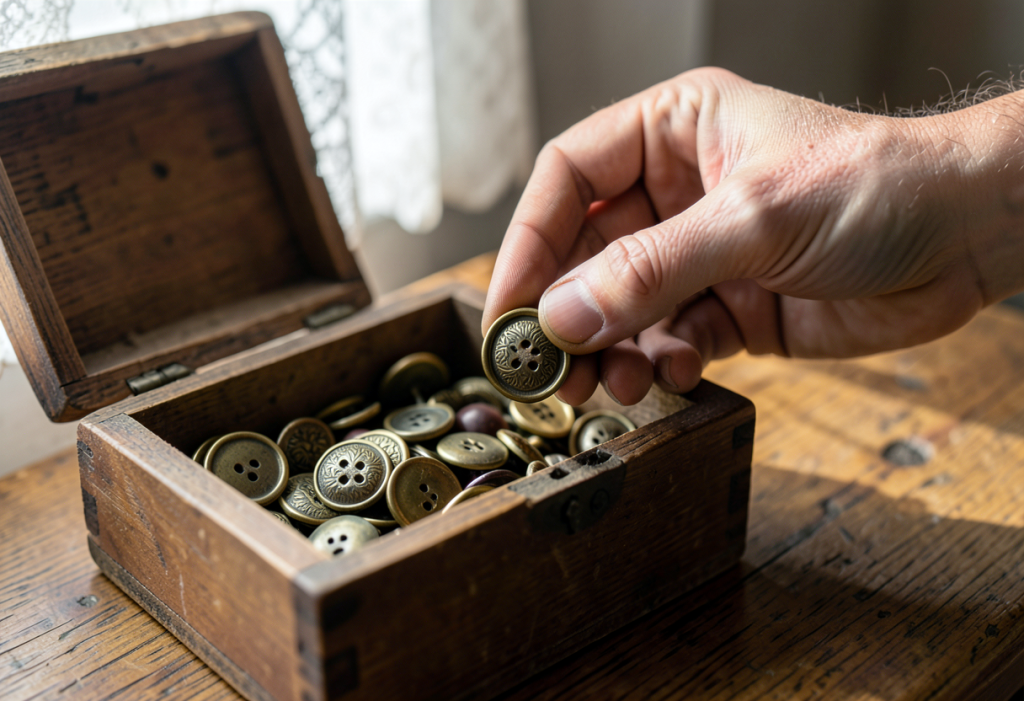
Vintage collecting involves the pursuit of antique, rare, or out-of-production items, with a particular focus on their historical significance, craftsmanship, and aesthetic value.
Key facts
- Vintage buttons can be categorized into glass, metal, plastic, and fabric types.
- Prices for vintage buttons range from a few dollars to several hundred for rare specimens.
- Popular eras for button collecting include Victorian, Art Deco, and Mid-Century Modern.
- Authenticity is verified through markings, materials, and historical context.
Where to find vintage buttons
Antique shops and flea markets are traditional hunting grounds for vintage buttons. These places often have a rotating inventory, so frequent visits increase the chances of finding unique pieces. Estate sales and auctions can also yield hidden treasures, as they often include personal collections that have been carefully preserved. For example, a well-known antique shop in Paris might have a weekly rotation of vintage buttons from the 1920s, while a local flea market could have a surprise find from the Victorian era.
Online marketplaces like eBay and Etsy have become virtual goldmines for collectors. These platforms allow you to search for specific types, eras, or materials, making it easier to find exactly what you’re looking for. Specialized forums and social media groups dedicated to vintage collecting can also provide leads and connect you with other enthusiasts. For instance, a Facebook group dedicated to vintage buttons might have members who frequently post about rare finds from their recent trips to antique fairs.
Thrift stores and charity shops are underrated resources. While they may not always have a dedicated vintage section, a keen eye can spot valuable buttons among the regular merchandise. Garage sales and second-hand stores often have boxes of mixed buttons, which can be sorted through for hidden gems. A local thrift store might have a box of buttons labeled “as is,” which could contain a mix of common and rare pieces waiting to be discovered.
How to identify valuable vintage buttons
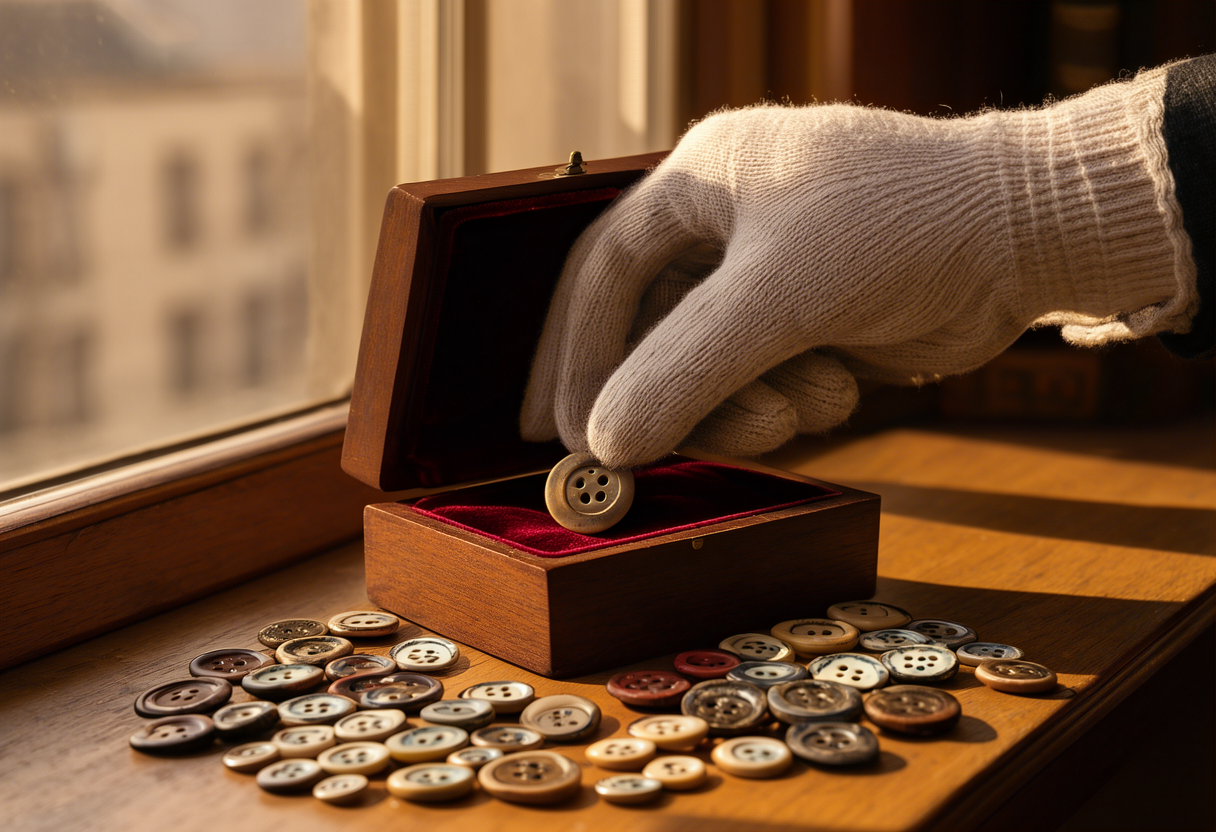
Authentic vintage buttons often bear markings that indicate their origin and age. Look for stamps, initials, or logos on the back of the button. For example, glass buttons from the early 20th century may have a small “G” or “C” indicating the manufacturer. Metal buttons might have patent numbers or company names that can be researched for authenticity. A button with the marking “J.R. Wood & Sons” could be traced back to a well-known manufacturer from the late 19th century, increasing its value.
Materials used in different eras can also help in identification. Buttons made from bakelite, a type of early plastic, were popular in the 1920s and 1930s. Glass buttons with intricate designs were common in the Victorian era, while metal buttons with geometric patterns are typical of the Art Deco period. Understanding these material trends can guide your search and help you recognize valuable pieces. A bakelite button with a distinctive mustard yellow color and a swirl pattern could be a prized find from the 1930s.
Historical context plays a crucial role in valuation. Buttons from specific time periods or with unique designs can command higher prices. For instance, buttons from the WWII era might be more valuable due to their scarcity and historical significance. Collectors should familiarize themselves with the styles and trends of different eras to make informed decisions. A button with a small eagle emblem from the WWII era could be highly sought after by historians and collectors alike.
Tips for collecting vintage buttons
Start by defining your collection goals. Are you interested in a specific era, material, or design? Having a clear focus will help you make targeted purchases and avoid impulse buys. Research the market to understand the value and rarity of different types of buttons. Websites like The Complete Guide to Vintage Jewelry Collecting and Essential Tips for Collecting Vintage Jewelry offer valuable insights into the world of vintage collecting.
Networking with other collectors can provide access to rare finds and expert advice. Join online forums, attend vintage fairs, and participate in local collector groups. These communities often share tips on where to find the best deals and how to authenticate pieces. Building relationships with antique dealers and auction houses can also give you a competitive edge. For example, attending a vintage fair in New York might connect you with a dealer who specializes in Art Deco buttons, providing you with unique opportunities to expand your collection.
Documentation is key to maintaining the value of your collection. Keep records of your purchases, including receipts, certificates of authenticity, and photographs. This information can be crucial for insurance purposes and future resale. For more tips on starting your collection, check out How to Start Collecting Vintage Jewellery.
How to care for vintage buttons
Proper storage is essential for preserving the condition of your vintage buttons. Use acid-free boxes or compartments to store individual buttons. Avoid exposure to direct sunlight and humidity, as these can damage the materials. Regularly clean your buttons with a soft brush and mild soap to remove dust and dirt. For delicate buttons, use a microfiber cloth to avoid scratching. For instance, a glass button from the Victorian era should be stored in a separate compartment to prevent it from scratching against metal buttons.
Displaying your collection can be a rewarding way to enjoy your finds. Consider using shadow boxes or display cases to showcase your buttons while protecting them from dust and handling. If you plan to sell or exhibit your collection, ensure that each piece is well-documented and properly labeled. This not only enhances the aesthetic appeal but also adds to the historical value of your collection. A well-organized display case with labeled sections for different eras can make your collection more appealing to potential buyers or visitors.
Think of vintage button collecting like assembling a puzzle. Each button is a piece that fits into a larger picture of history and craftsmanship. The more pieces you collect, the more complete the picture becomes, revealing the beauty and stories of the past.
Steps to start your vintage button collection
- Define your collection goals and focus areas.
- Research different types, eras, and materials to understand their value.
- Explore local antique shops, flea markets, and online marketplaces.
- Join collector groups and forums to network and learn from experts.
- Document your purchases and maintain proper storage and care.
- Display your collection to enjoy and share its historical significance.
Resources for further learning
For those interested in expanding their knowledge of vintage collecting, the following resources are invaluable. The A Collector’s Guide to Vintage Brooches offers insights into the world of vintage brooches, while the Identifying and Collecting Vintage Compacts provides a comprehensive guide to identifying and collecting vintage compacts. Additionally, the The Art of Collecting Vintage Makeup delves into the art of collecting vintage makeup, offering a unique perspective on historical beauty trends.
Understanding the market value of vintage buttons
The market value of vintage buttons can vary widely based on factors such as rarity, condition, and historical significance. For example, a rare glass button from the Victorian era in pristine condition could sell for several hundred dollars, while a common metal button from the Mid-Century Modern era might only fetch a few dollars. Understanding these variations can help you make informed decisions when buying or selling vintage buttons.
Auction houses and online marketplaces often provide valuable insights into current market trends. For instance, a recent auction at Sotheby’s might have featured a collection of Art Deco buttons, with prices ranging from $50 to $300 per button. Tracking these sales can give you a sense of the current demand and value of different types of buttons. Additionally, specialized websites and forums often discuss recent sales and trends, providing a wealth of information for collectors.
Final thoughts
Vintage button collecting is a rewarding hobby that combines history, art, and personal passion. By understanding where to find, how to identify, and how to care for vintage buttons, you can build a valuable and meaningful collection. Whether you’re a seasoned collector or just starting out, the key to success lies in thorough research, networking, and careful preservation. For more insights, explore the A Collector’s Guide to Vintage Brooches and other resources to deepen your knowledge and enhance your collection.
Frequently asked questions
Where are the best places to find vintage buttons?
Thrift stores, antique shops, and flea markets often have hidden treasures. Check the fabric or button sections, and don't hesitate to ask vendors about their collections. Online platforms like eBay and Etsy also offer a wide range of vintage buttons from various sellers. Always inspect the condition before purchasing.
How can I tell if a button is truly vintage?
Examine the materials and design. Vintage buttons often have unique patterns, metal backs, or glass finishes. Look for signs of age like tarnishing or wear. Research common button styles from different eras to help identify authenticity. Avoid overly pristine items, as they might be reproductions.
What tools are essential for collecting vintage buttons?
A magnifying glass helps inspect details. Tweezers are useful for handling small buttons. Store them in labeled containers or small compartments to keep them organized. A reference book on button history can also be helpful for identifying and valuing your finds.
How should I clean and preserve vintage buttons?
Gently clean with a soft brush or cloth. Avoid harsh chemicals, as they can damage the finish. Store buttons in a dry, dark place away from direct sunlight. Use acid-free paper or fabric to wrap them. Regularly check for signs of mold or damage, and handle them with care to maintain their condition.